What does Matthew 5:21 mean?
“Ye have heard that it was said by them of old time, Thou shalt not kill; and whosoever shall kill shall be in danger of the judgment:” — Matthew 5:21
The Bible verse Matthew 5:21 from the King James Version (KJV) states: "Ye have heard that it was said by them of old time, Thou shalt not kill; and whosoever shall kill shall be in danger of the judgment." This verse is part of Jesus's Sermon on the Mount, where he delivers a series of teachings to his disciples and the multitudes gathered to hear him. The sermon contains some of the most well-known teachings of Jesus, and this particular verse addresses the commandment against murder found in the Old Testament.
In this verse, Jesus refers to the commandment given to the Israelites in the Old Testament, specifically in Exodus 20:13, which states, "Thou shalt not kill." However, Jesus goes further by emphasizing the seriousness of this commandment, teaching that even harboring anger towards someone is akin to committing murder in the eyes of God. This interpretation of the commandment reveals Jesus's emphasis on the state of one's heart and intentions, rather than solely focusing on outward actions.
This teaching challenges the traditional understanding of the commandments and invites a deeper, more reflective interpretation. It urges individuals to examine their inner thoughts and emotions, recognizing that the roots of murder and violence stem from anger and animosity. By addressing the inward attitudes that lead to outward actions, Jesus raises the standard of righteousness and emphasizes the importance of inner transformation.
The context in which this verse is situated is key to understanding its deeper meaning. The Sermon on the Mount begins with the Beatitudes, a series of blessings pronounced by Jesus upon various groups of people, such as the meek, the merciful, and the peacemakers. These blessings set the tone for the subsequent teachings, highlighting the values of humility, compassion, and peace. As such, the verse in question can be seen as an extension of Jesus's call to righteousness and inner purity.
Furthermore, Jesus follows this teaching with an admonition to reconcile with those whom one has grievances, emphasizing the importance of restoring relationships and making amends. This further underscores the theme of inner peace and harmony, as well as the acknowledgement of the interconnectedness of human relationships and the impact of anger and resentment on those connections.
Symbolism can also be found in this verse, particularly in the contrast between outward actions and inward attitudes. By equating anger with murder, Jesus draws attention to the power of the heart and the significance of managing one's emotions. This symbolic association underscores the transformative nature of Jesus's teachings, pointing towards a deeper understanding of moral responsibility and personal growth.
In conclusion, Matthew 5:21 from the King James Version holds profound insight into the nature of moral conduct and spiritual transformation. By addressing the commandment against murder and emphasizing the importance of inner attitudes, Jesus challenges his followers to strive for righteousness at the level of the heart. This teaching aligns with the overarching themes of the Sermon on the Mount, which prioritize humility, compassion, and harmonious relationships. As such, this verse serves as a reminder of the transformative power of Jesus's teachings and the call to embody a righteousness that extends beyond mere outward actions.
Get our apps


Artwork for Matthew 5:21

Matthew 5:21 - "¶ Ye have heard that it was said by them of old time, Thou shalt not kill; and whosoever shall kill shall be in danger of the judgment:"

Matthew 5:21-22 - "You have heard that it was said to those of old, 'You shall not murder; and whoever murders will be liable to judgment.' But I say to you that everyone who is angry with his brother will be liable to judgment; whoever insults his brother will be liable to the council; and whoever says, 'You fool!' will be liable to the hell of fire."

"¶ Ye have heard that it was said by them of old time, Thou shalt not kill; and whosoever shall kill shall be in danger of the judgment:" - Matthew 5:21

"You have heard that it was said to those of old, 'You shall not murder; and whoever murders will be liable to judgment.' But I say to you that everyone who is angry with his brother will be liable to judgment; whoever insults his brother will be liable to the council; and whoever says, 'You fool!' will be liable to the hell of fire." - Matthew 5:21-22

Matthew 21:5 - "Tell ye the daughter of Sion, Behold, thy King cometh unto thee, meek, and sitting upon an ass, and a colt the foal of an ass."

"Tell ye the daughter of Sion, Behold, thy King cometh unto thee, meek, and sitting upon an ass, and a colt the foal of an ass." - Matthew 21:5

Matthew 21:5 Tell ye the daughter of Sion, Behold, thy King cometh unto thee, meek, and sitting upon an ass, and a colt the foal of an ass.

Matthew 9:21

Matthew 21

Matthew 9:21-22

Matthew 9:21-22

Matthew 9:21-22

Matthew 9:21-22

Matthew 9:21-22

Matthew 25:21

Matthew 25:21

Matthew 21:31

Matthew 21:25

Matthew 2:21
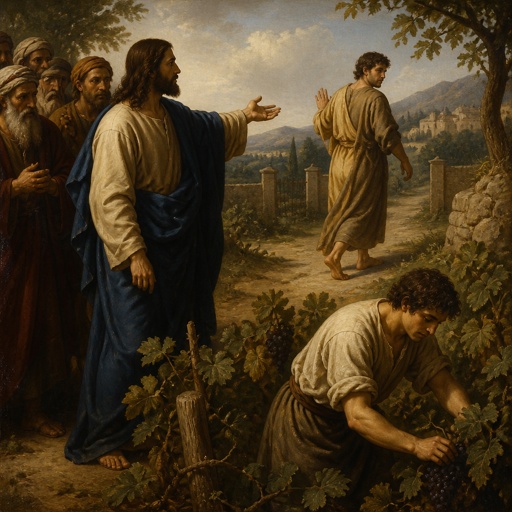
Matthew 21:28-32

Matthew 7:21-23

Matthew 21:1-11

Matthew 14:13-21

Matthew 5:5 - "Blessed are the meek: for they shall inherit the earth."

Matthew 17:14-21

Matthew 5:44

Matthew 5:44

Matthew 5

Matthew 5

Matthew 5:44