What does Matthew 5:26 mean?
“Verily I say unto thee, Thou shalt by no means come out thence, till thou hast paid the uttermost farthing.” — Matthew 5:26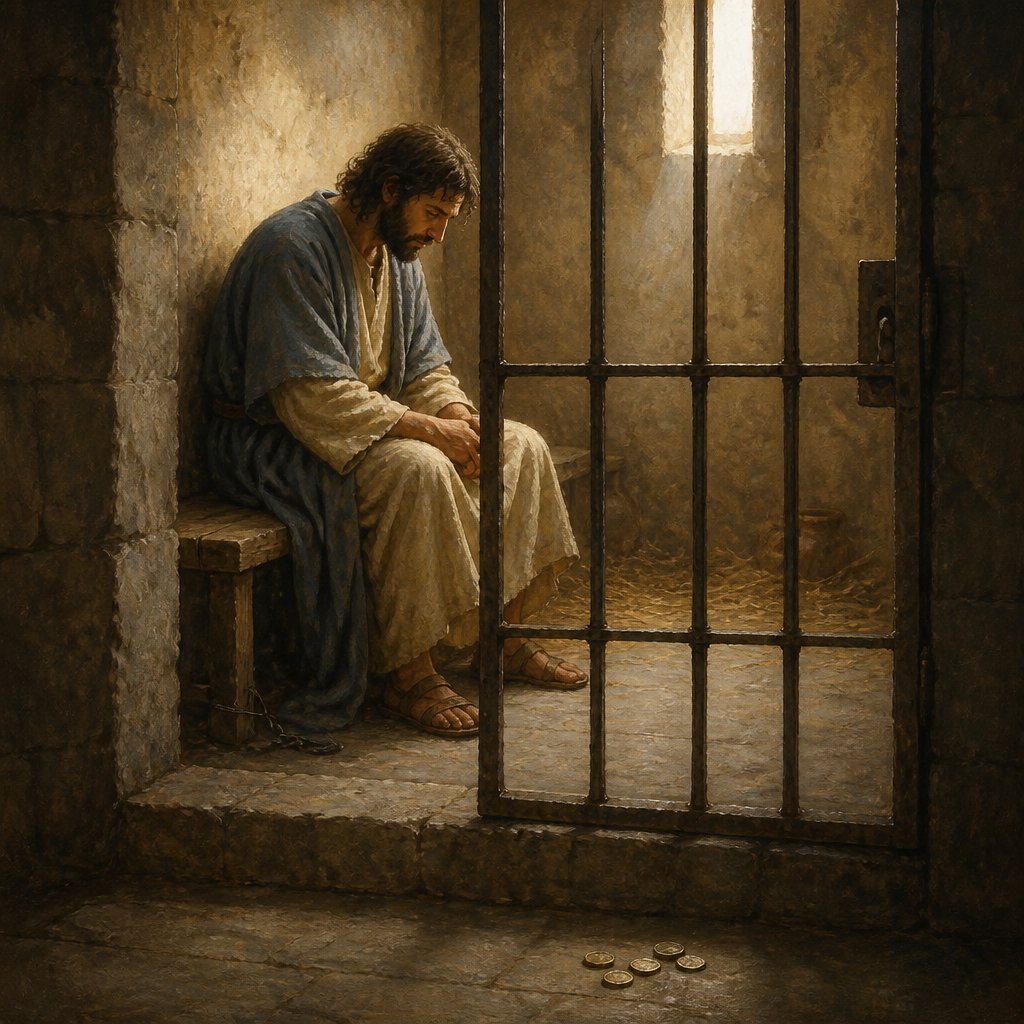
The verse Matthew 5:26 in the King James Version of the Bible reads, "Verily I say unto thee, Thou shalt by no means come out thence, till thou hast paid the uttermost farthing." This verse is part of Jesus' Sermon on the Mount, where he delivers some of his most significant teachings to his disciples and the crowd gathered to hear him. In this particular verse, Jesus is addressing the importance of reconciliation with others before coming before God.
To fully understand the meaning and significance of this verse, it is essential to examine the context in which it was spoken. In the preceding verses, Jesus is discussing the importance of resolving conflicts and disagreements with others. He emphasizes the need to quickly settle disputes before they escalate, advising his followers to reconcile with their adversaries before coming to the altar to worship God. He urges them to make amends quickly, acknowledging the urgency of resolving conflicts before they spiral out of control.
In verse 25, Jesus says, "Agree with thine adversary quickly, whiles thou art in the way with him; lest at any time the adversary deliver thee to the judge, and the judge deliver thee to the officer, and thou be cast into prison." Here, Jesus is using the setting of a legal dispute to illustrate the need for swift reconciliation. He paints a vivid picture of the consequences of allowing conflicts to fester, warning of the potential legal ramifications and the resulting imprisonment.
The following verse, Matthew 5:26, further reinforces the importance of settling disputes promptly. The expression "Thou shalt by no means come out thence, till thou hast paid the uttermost farthing" signifies the severity of the consequences of unresolved conflicts. Jesus emphasizes that one should expect to bear the full weight of the consequences if they fail to reconcile with their adversaries. The imagery of being held in prison until the last penny is paid serves as a stark reminder of the gravity of unforgiven debts and unresolved conflicts.
Symbolically, this verse also carries a profound spiritual meaning. It underscores the importance of forgiveness and reconciliation as integral aspects of the Christian life. Just as Jesus taught his disciples to reconcile with their adversaries, Christians are called to seek reconciliation in their relationships. The consequences of harboring bitterness, resentment, and unforgiveness can be spiritually imprisoning, hindering one's relationship with God and others. Jesus' words serve as a reminder to prioritize forgiveness and reconciliation, recognizing their transformative power in fostering peace and harmony.
Furthermore, the verse reflects the justice and righteousness of God. It emphasizes the principle of accountability and restitution, suggesting that there are consequences for our actions. The mention of "paying the uttermost farthing" implies that every debt must be settled, and every wrongdoing accounted for. This aligns with the broader theme of righteousness and moral responsibility emphasized throughout the Sermon on the Mount.
In conclusion, Matthew 5:26 in the King James Version of the Bible conveys a powerful message about the urgency of reconciliation and the consequences of unresolved conflicts. It serves as a pivotal reminder of the importance of forgiveness, accountability, and justice. The verse is deeply rooted in the broader themes of the Sermon on the Mount, highlighting the significance of peacemaking and the transformative power of reconciliation in the Christian life. Ultimately, it urges believers to prioritize the resolution of conflicts and embrace the virtues of forgiveness and reconciliation in their relationships.
Get our apps


Artwork for Matthew 5:26

Matthew 5:26 - "Verily I say unto thee, Thou shalt by no means come out thence, till thou hast paid the uttermost farthing."
"Verily I say unto thee, Thou shalt by no means come out thence, till thou hast paid the uttermost farthing." - Matthew 5:26

Matthew 26:5 - "But they said, Not on the feast day, lest there be an uproar among the people."
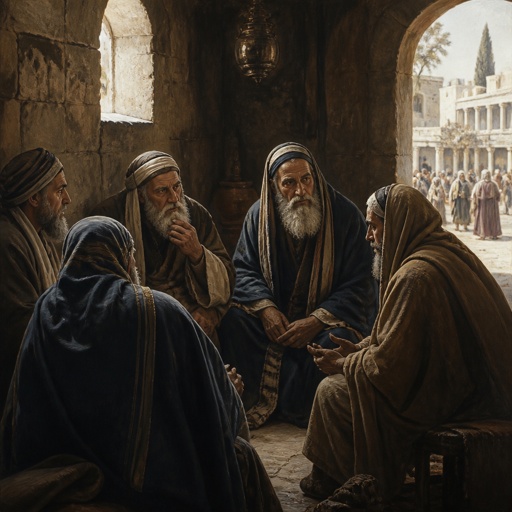
"But they said, Not on the feast day, lest there be an uproar among the people." - Matthew 26:5

Matthieu 5:23-26

Matthew 26:25

Matthew 26:15

Matthew 19:26

Matthew 26:15

Matthew 27:26

Matthew 27:26

Matthew 26:53

Matthew 26:65

Matthew 26:41

Matthew 26:53
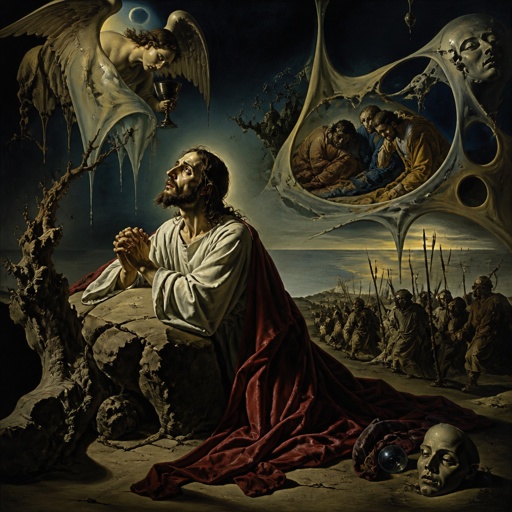
Matthew 26:36-46
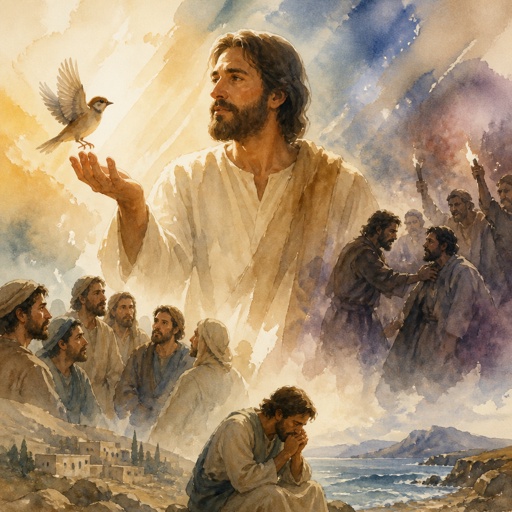
Matthew 10:26-33

Matthew 26:26 - "¶ And as they were eating, Jesus took bread, and blessed it, and brake it, and gave it to the disciples, and said, Take, eat; this is my body."

Matthew 22:26 - "Likewise the second also, and the third, unto the seventh."

Matthew 9:26 - "And the fame hereof went abroad into all that land."

Matthew 26:54 - "But how then shall the scriptures be fulfilled, that thus it must be?"

Matthew 26:6 - "¶ Now when Jesus was in Bethany, in the house of Simon the leper,"

Matthew 26:4 - "And consulted that they might take Jesus by subtilty, and kill him."

Matthew 26:16 - "And from that time he sought opportunity to betray him."

Matthew 5:5 - "Blessed are the meek: for they shall inherit the earth."

Matthew 5:44

Matthew 5:44

Matthew 5

Matthew 5

Matthew 26:72 - "And again he denied with an oath, I do not know the man."