What does Matthew 6:16 mean?
“Moreover when ye fast, be not, as the hypocrites, of a sad countenance: for they disfigure their faces, that they may appear unto men to fast. Verily I say unto you, They have their reward.” — Matthew 6:16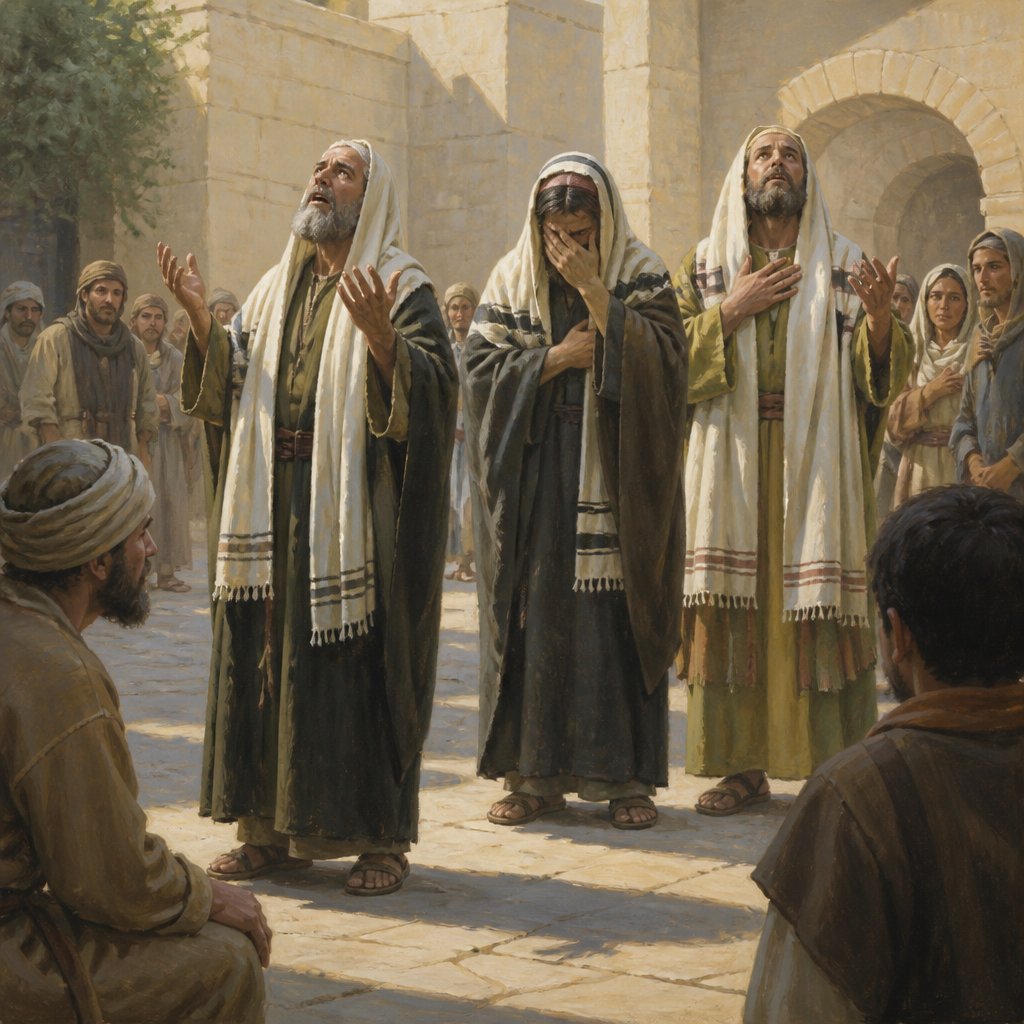
Matthew 6:16 from the King James Version of the Bible states: "Moreover when ye fast, be not, as the hypocrites, of a sad countenance: for they disfigure their faces, that they may appear unto men to fast. Verily I say unto you, They have their reward."
This verse is part of Jesus' Sermon on the Mount, where he provides guidance to his disciples and followers on various aspects of spiritual life, including fasting. In this particular verse, Jesus addresses the practice of fasting and warns against doing it for the wrong reasons.
Fasting is a common practice in many religious traditions, including Christianity, and it typically involves abstaining from food or certain types of food for a period of time as a way to focus on spiritual growth and discipline. However, Jesus is cautioning his followers against making a show of their fasting in order to gain recognition and praise from others. He uses the term "hypocrites" to describe those who intentionally make their fasting obvious to those around them, which ultimately defeats the purpose of the spiritual practice.
The theme of this verse is sincerity and purity of heart in worship and spiritual disciplines. Jesus emphasizes that true spiritual practices, such as fasting, should be performed with genuine devotion and humility, rather than for the purpose of public display and recognition. By disfiguring their faces and making a spectacle of their fasting, the hypocrites are seeking the approval and admiration of others, and Jesus warns that this is their only reward – the temporary praise of men.
The context of this verse is crucial to understanding its significance. In the preceding verses, Jesus addresses the topics of giving to the needy and prayer, highlighting the importance of maintaining sincerity and authenticity in these spiritual practices. He encourages his disciples to give without seeking recognition and to pray in private rather than for public show. In a similar manner, Jesus now turns his attention to the practice of fasting, urging his followers to approach it with an inward focus on God rather than an outward performance for human approval.
The symbolic significance of this verse lies in the contrast between outward appearance and inner disposition. The disfigured faces of the hypocrites represent their exaggerated and false displays of suffering and piety, which aim to garner attention and admiration from others. In contrast, the true purpose of fasting is to foster a deeper connection with God, to seek His guidance and strength, and to cultivate a spirit of humility and self-denial. Jesus' warning against seeking recognition for fasting serves as a reminder to prioritize inner authenticity and spiritual sincerity over external appearances.
In a broader sense, this verse also highlights the principle of spiritual integrity in all aspects of religious practice. Jesus calls his followers to examine their motives and intentions, reminding them that genuine piety is not measured by outward acts of righteousness but by the condition of the heart. The verse challenges believers to engage in spiritual disciplines for the right reasons – out of a genuine desire to draw closer to God and to grow in faith, rather than to seek the approval and praise of others.
In conclusion, Matthew 6:16 from the King James Version of the Bible serves as a powerful exhortation for believers to approach spiritual disciplines, such as fasting, with sincerity and humility. It emphasizes the importance of maintaining a pure and authentic heart in worship, rather than seeking recognition and acclaim from others. This verse serves as a timeless reminder of the inward focus and genuine devotion that should accompany all acts of faith and piety.
Get our apps


Artwork for Matthew 6:16

Matthew 6:16 - "¶ Moreover when ye fast, be not, as the hypocrites, of a sad countenance: for they disfigure their faces, that they may appear unto men to fast. Verily I say unto you, They have their reward."
"¶ Moreover when ye fast, be not, as the hypocrites, of a sad countenance: for they disfigure their faces, that they may appear unto men to fast. Verily I say unto you, They have their reward." - Matthew 6:16

Matthew 16:6 - "¶ Then Jesus said unto them, Take heed and beware of the leaven of the Pharisees and of the Sadducees."
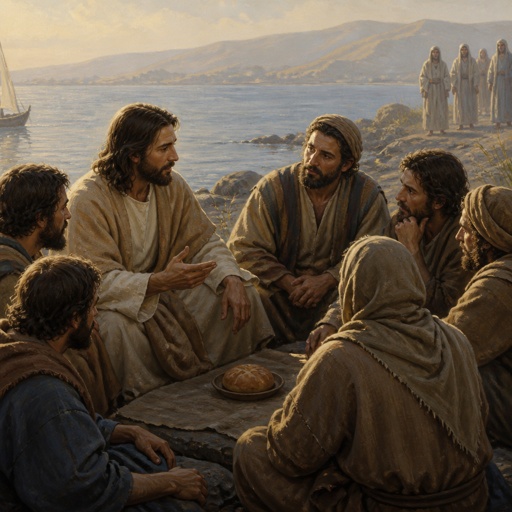
"¶ Then Jesus said unto them, Take heed and beware of the leaven of the Pharisees and of the Sadducees." - Matthew 16:6

Matthew 6:6

Matthew 3:16

Matthew 3:16

Matthew 3:16

Matthew 16:25

Matthew 16:16 - "And Simon Peter answered and said, Thou art the Christ, the Son of the living God."

Matthew 6:23

Matthew 19:16-17

Matthew 18:6

Matthew 6:34

Matthew 18:6

Matthew 6:22

Matthew 6:18

Matthew 6:22

Matthew 6:14

Matthew 6:24

Matthew 6:30

Matthew 6:5

Matthew 6:34

Matthew 27:16 - "And they had then a notable prisoner, called Barabbas."

Matthew 6:24

Matthew 6:2

Matthew 6:2

Matthew 6:2

Matthew 6:34

Matthew 6:13