What does Matthew 7:18 mean?
"A good tree cannot bring forth evil fruit, neither can a corrupt tree bring forth good fruit." - Matthew 7:18

Matthew 7:18 in the King James Version of the Bible reads, "A good tree cannot bring forth evil fruit, neither can a corrupt tree bring forth good fruit." This verse is part of Jesus' teaching in the Sermon on the Mount, where he instructs his disciples and the crowd gathered on how to discern false prophets and teachers.
In this particular passage, Jesus uses the analogy of a tree to convey a deep and important spiritual truth. The imagery of a tree and its fruit is a powerful and familiar one, as it speaks to the inherent nature and character of a person or thing. In this verse, Jesus is using the analogy to illustrate the relationship between a person's actions and the condition of their heart.
The theme of this verse is the idea of discerning true character and intentions. Jesus is warning his followers to be cautious of false prophets and teachers who may appear righteous on the outside but are actually corrupt and deceitful on the inside. He uses the analogy of a tree and its fruit to emphasize that a person's actions and words are a reflection of their true nature. Just as a good tree naturally produces good fruit and a corrupt tree naturally produces bad fruit, so too will a person's actions reveal the true condition of their heart.
The context of this verse is important to understanding its deeper meaning. In the broader passage of the Sermon on the Mount, Jesus is teaching his disciples how to live a life of true righteousness and godliness. He emphasizes the importance of living with integrity, humility, and genuine love for God and others. In this specific portion of the sermon, Jesus is warning his followers about the dangers of false prophets and urging them to be discerning in their interactions with religious leaders and teachers.
The symbolism in this verse is profound and multi-layered. The imagery of a tree represents the individual person or entity, while the fruit represents their actions and influence. By using this analogy, Jesus is highlighting the idea that true character and intentions cannot be hidden or disguised indefinitely. Just as a tree's fruit reveals its true nature, so too will a person's deeds expose their inner being.
Furthermore, this verse also carries a sense of accountability and responsibility. Jesus is signaling to his disciples that they have the ability and the obligation to discern the true character of those around them. This involves not only being mindful of their own actions and words, but also evaluating the actions and teachings of others.
In practical terms, this verse challenges believers to be discerning in their relationships and interactions with others. It encourages them to look beyond outward appearances and to evaluate a person's true character based on their actions and words. This principle is applicable not only in matters of faith and spirituality but also in broader social and ethical contexts.
In conclusion, Matthew 7:18 in the King James Version of the Bible holds deep spiritual and moral significance. It conveys the theme of discerning true character and intentions, and it emphasizes the inherent relationship between a person's actions and the condition of their heart. The analogy of a tree and its fruit provides rich symbolism and challenges believers to live with integrity, humility, and discernment in their interactions with others. This verse serves as a powerful reminder of the importance of living a life that is rooted in genuine righteousness and love.
Have questions about Matthew 7:18?
Dive deeper into this scripture with Bible Chat — an AI-powered tool for exploring God's Word through conversation. Ask questions, get context, and grow in your understanding of the Bible.
Get Our Apps


Matthew 7:18 Artwork

Matthew 7:18 - "A good tree cannot bring forth evil fruit, neither can a corrupt tree bring forth good fruit."

"A good tree cannot bring forth evil fruit, neither can a corrupt tree bring forth good fruit." - Matthew 7:18

Matthew 18:7 - "¶ Woe unto the world because of offences! for it must needs be that offences come; but woe to that man by whom the offence cometh!"

Matthew 21:21 Philippians 4:6-7 Ephesians 6:10-18 Put the words on the photo

Matthew 21:21 Philippians 4:6-7 Ephesians 6:10-18

Matthew 18:6

Matthew 7:7

Matthew 18:10

Matthew 18:6

Matthew 6:18

Matthew 18:20

Matthew 6:18

Matthew 18:20

Matthew 18:6

Matthew 18:20
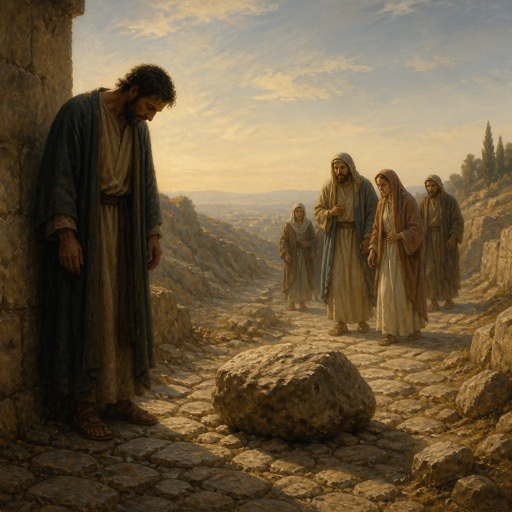
"¶ Woe unto the world because of offences! for it must needs be that offences come; but woe to that man by whom the offence cometh!" - Matthew 18:7

Matthew 18:23-34

Matthew 17:17-18

Matthew 18:23-34

Matthew 18:23-34

Matthew 6:17-18

Matthew 18:23-34

Matthew 17:17-18

Matthew 7:13-14

Matthew 7:13-14

Matthew 7:13-14

Matthew 7:13-14

Matthew 7:13-14

Matthew 7:13-14

Matthew 7:13-14