What does Matthew 9:11 mean?
“And when the Pharisees saw it, they said unto his disciples, Why eateth your Master with publicans and sinners?” — Matthew 9:11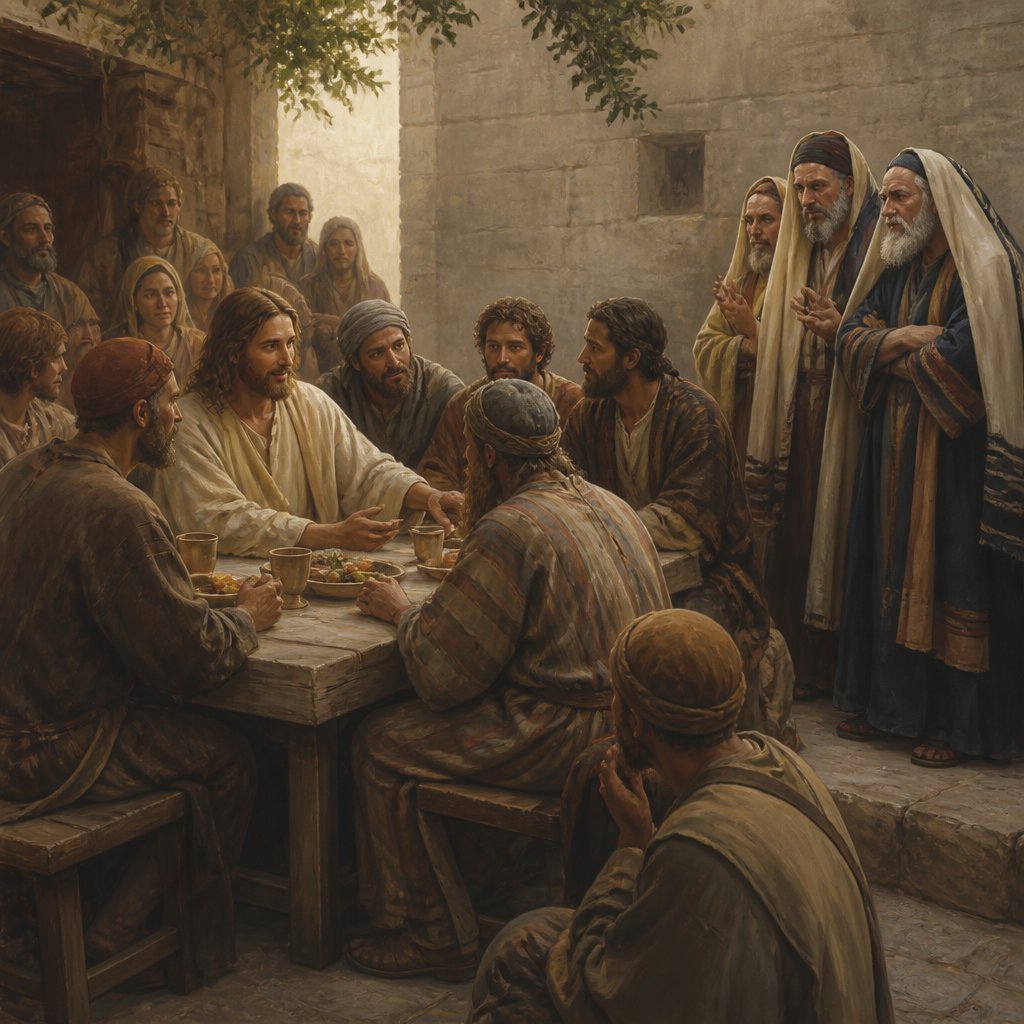
Matthew 9:11 in the King James Version (KJV) reads: "And when the Pharisees saw it, they said unto his disciples, Why eateth your Master with publicans and sinners?"
This verse is part of a larger passage in the Gospel of Matthew where Jesus is criticized by the Pharisees for dining with tax collectors and sinners. The verse serves as a crucial moment in Jesus' ministry and reveals important themes such as inclusivity, compassion, and redemption.
The Pharisees, as religious leaders of the time, were known for their strict adherence to the Jewish law and for their belief in separating themselves from those they deemed as sinners or unclean. They viewed tax collectors, who were often corrupt and seen as traitors to their own people, and other social outcasts as unworthy of God's grace. By questioning Jesus' choice of dining companions, the Pharisees were attempting to undermine his authority and challenge his message of inclusion and forgiveness.
In response to their criticism, Jesus uses the opportunity to teach an important lesson about the nature of his ministry. He explains in the following verses (Matthew 9:12-13) that it is not the healthy who need a doctor, but the sick. In other words, he came to call sinners to repentance, not the righteous. This statement challenges the Pharisees' narrow understanding of righteousness and exposes their lack of compassion for those in need of spiritual healing.
The themes of inclusivity and compassion are central to the message of the Gospel of Matthew, and this verse exemplifies Jesus' radical approach to reaching out to those who were marginalized by society. Throughout the Gospel, Jesus consistently demonstrates a willingness to engage with people from all walks of life, regardless of their social status or past sins. This challenges the conventional wisdom of the time and emphasizes the importance of treating others with love and understanding.
Another important theme present in this verse is the concept of redemption. The Pharisees' criticism reflects a mindset that views certain individuals as irredeemable, unworthy of God's grace. However, Jesus' response demonstrates that no one is beyond the reach of God's mercy. By associating with tax collectors and sinners, Jesus is actively seeking to bring about their spiritual transformation and restore them to a right relationship with God. This aligns with the broader biblical narrative of God's redemptive plan for all of humanity, regardless of their past mistakes or shortcomings.
Symbolically, the act of dining with tax collectors and sinners serves as a powerful metaphor for the larger message of the Gospel. Eating together was a significant social and cultural practice in the ancient world, often symbolizing fellowship and unity. By sharing a meal with those who were considered outcasts, Jesus is communicating his desire to bridge the gap between different social groups and to create a community based on love and acceptance.
In conclusion, Matthew 9:11 in the King James Version captures a pivotal moment in Jesus' ministry that emphasizes the themes of inclusivity, compassion, and redemption. It challenges the conventional attitudes of the time and calls for a more expansive understanding of God's grace. This verse serves as a powerful reminder of the transformative power of Jesus' message and highlights the universal significance of his ministry.
Get our apps


Artwork for Matthew 9:11
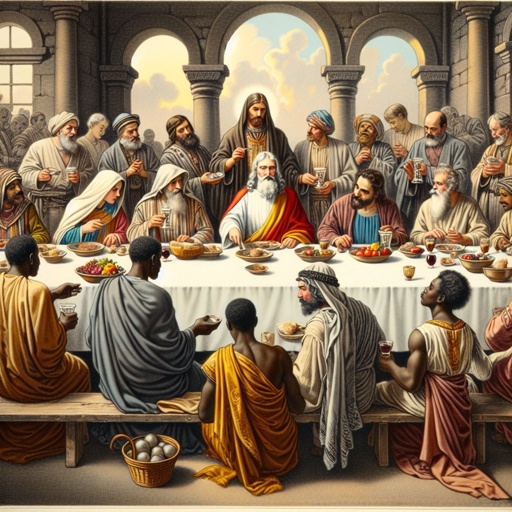
Matthew 9:11 - "And when the Pharisees saw it, they said unto his disciples, Why eateth your Master with publicans and sinners?"
"And when the Pharisees saw it, they said unto his disciples, Why eateth your Master with publicans and sinners?" - Matthew 9:11

Matthew 11:9 - "But what went ye out for to see? A prophet? yea, I say unto you, and more than a prophet."

Matthew 9:37-38

Matthew 3:11

Matthew 3:11

Matthew 3:11

Matthew 3:11

Matthew 3:11

Matthew 3:11

Matthew 9:21

Matthew 3:11-12

Matthew 3:11-12

Matthew 9:21-22

Matthew 9:21-22

Matthew 9:21-22

Matthew 9:21-22

Matthew 9:21-22
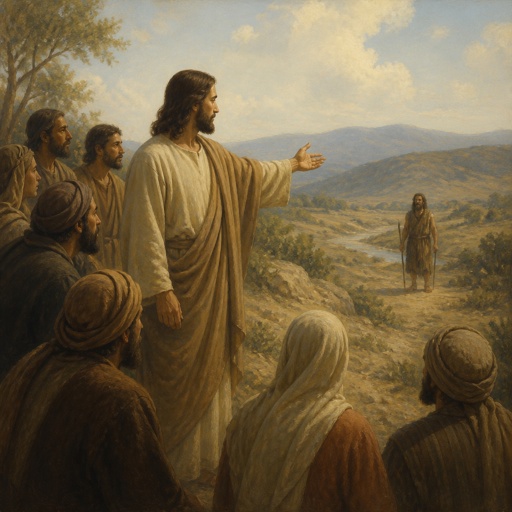
"But what went ye out for to see? A prophet? yea, I say unto you, and more than a prophet." - Matthew 11:9

Matthew 3:11

Matthew 3:11

Matthew 3:11

Matthew 2:9

Matthew 11:1

Matthew 11:1

Matthew 11:3

Matthew 2:11

Matthew 28:11

Matthew 9:9 - "¶ And as Jesus passed forth from thence, he saw a man, named Matthew, sitting at the receipt of custom: and he saith unto him, Follow me. And he arose, and followed him."

Matthew 2:9