What does Matthew 9:15 mean?
“And Jesus said unto them, Can the children of the bridechamber mourn, as long as the bridegroom is with them? but the days will come, when the bridegroom shall be taken from them, and then shall they fast.” — Matthew 9:15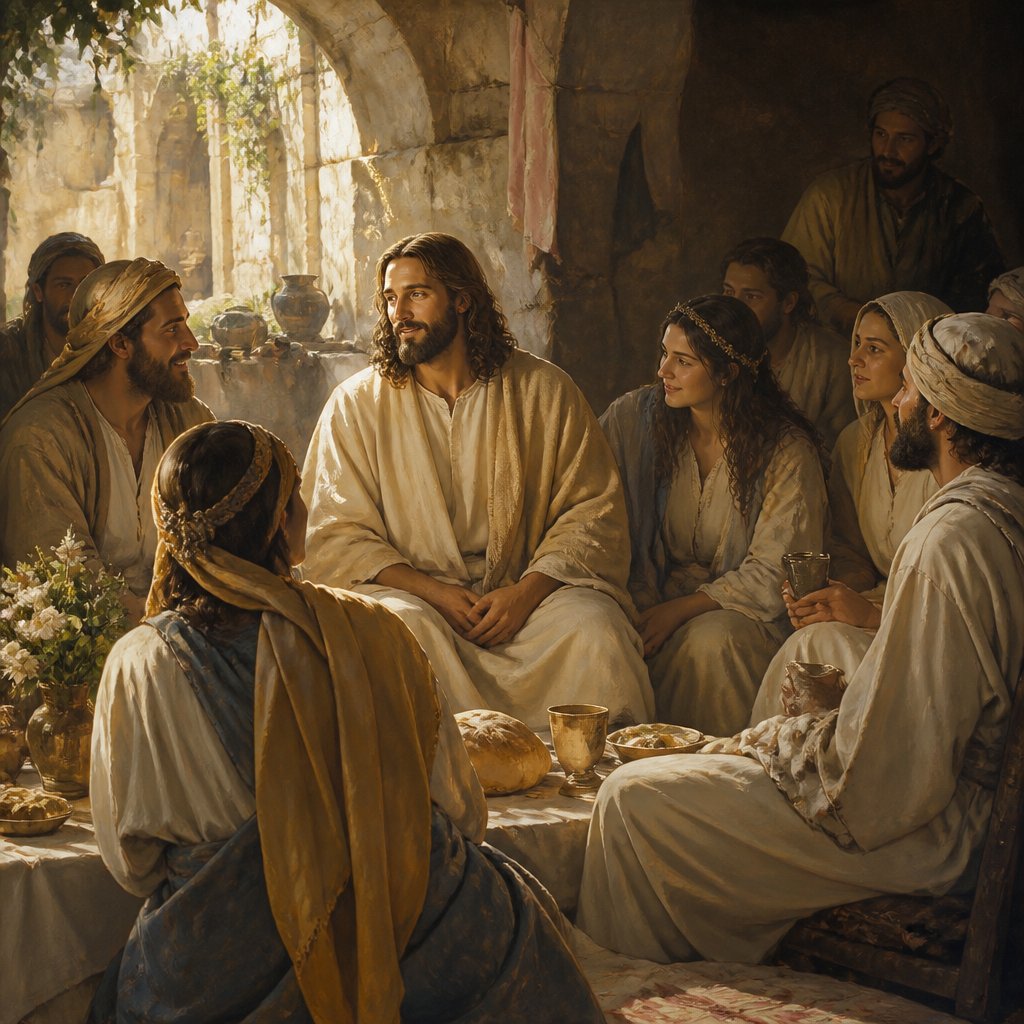
Matthew 9:15 in the King James Version of the Bible reads, "And Jesus said unto them, Can the children of the bridechamber mourn, as long as the bridegroom is with them? but the days will come, when the bridegroom shall be taken from them, and then shall they fast."
This verse comes in the context of a question posed to Jesus by the disciples of John the Baptist about why Jesus' disciples do not fast, while both the followers of John and the Pharisees do. Jesus responds to their question with a metaphor about a wedding feast, using the imagery of a bridegroom and his friends. This verse is rich in symbolism and carries deep theological and spiritual significance.
The central theme of this verse is the presence of Jesus as the bridegroom and the implications of his absence. Jesus uses the analogy of a wedding feast to illustrate the joy and celebration of his presence. In Jewish tradition, a wedding was a time of great joy and feasting, symbolizing the unity and intimacy between the bridegroom and his bride. Similarly, Jesus is proclaiming that his presence brings joy and fulfillment to those who are with him. He is the source of their joy and celebration, and as long as he is with them, there is no need for fasting or mourning.
The bridegroom imagery also points to Jesus as the long-awaited Messiah and the fulfillment of the Old Testament prophecies. In the Old Testament, God is often depicted as the bridegroom of Israel, and the intimate relationship between God and his people is likened to a marriage. By identifying himself as the bridegroom, Jesus is drawing on this rich tradition and presenting himself as the fulfillment of God's promises and the embodiment of the Divine presence among his people.
At the same time, Jesus prophesies about his own departure, alluding to his future crucifixion and ascension. He speaks of the days when the bridegroom will be taken away from them, foreshadowing the time of his suffering and death on the cross. In this sense, the verse also points to the redemptive mission of Jesus and the ultimate sacrifice he would make for the salvation of humanity. The disciples' fasting would then be a response to his absence and a recognition of the solemnity of his sacrifice.
The verse also touches on the eschatological theme of the end times. Jesus' reference to the future absence of the bridegroom and the disciples' fasting alludes to the period between his ascension and his second coming. During this time, the followers of Jesus are called to wait and anticipate his return, engaging in acts of devotion and spiritual discipline, such as fasting, as a way of preparing for his coming and expressing their longing for reunion with him.
Overall, Matthew 9:15 is a rich and profound verse that encapsulates the themes of joy in the presence of Jesus, the anticipation of his departure and eventual return, and the spiritual discipline of fasting. It provides a glimpse into the deep theological and mystical aspects of Jesus' ministry and invites believers to reflect on their relationship with him and their longing for his return.
Get our apps


Artwork for Matthew 9:15

Matthew 9:15 - "And Jesus said unto them, Can the children of the bridechamber mourn, as long as the bridegroom is with them? but the days will come, when the bridegroom shall be taken from them, and then shall they fast."
"And Jesus said unto them, Can the children of the bridechamber mourn, as long as the bridegroom is with them? but the days will come, when the bridegroom shall be taken from them, and then shall they fast." - Matthew 9:15

Matthew 15:9 - "But in vain they do worship me, teaching for doctrines the commandments of men."
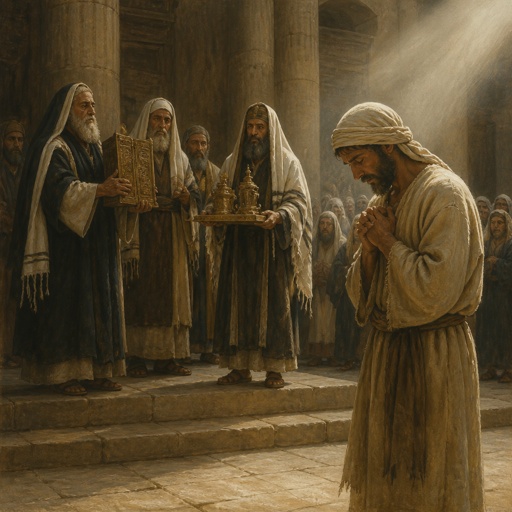
"But in vain they do worship me, teaching for doctrines the commandments of men." - Matthew 15:9

matthew 15 matthew 15:10

Matthew 9:21

Matthew 26:15

Matthew 26:15

Matthew 15:23

Matthew 24:15

Matthew 15:15 - "Then answered Peter and said unto him, Declare unto us this parable."

Matthew 5:15

Matthew 15:23

Matthew 5:15

Matthew 9:21-22

Matthew 9:21-22

Matthew 9:21-22

Matthew 9:21-22

Matthew 9:21-22

Matthew 2:9

Matthew 17:14-15

Matthew 9:9 - "¶ And as Jesus passed forth from thence, he saw a man, named Matthew, sitting at the receipt of custom: and he saith unto him, Follow me. And he arose, and followed him."

Matthew 2:9

Matthew 15 : 1-20

Matthew 6:9-13

Matthew 9:37-38

Matthew 1:15 - "And Eliud begat Eleazar; and Eleazar begat Matthan; and Matthan begat Jacob;"

Matthew 15:35 - "And he commanded the multitude to sit down on the ground."
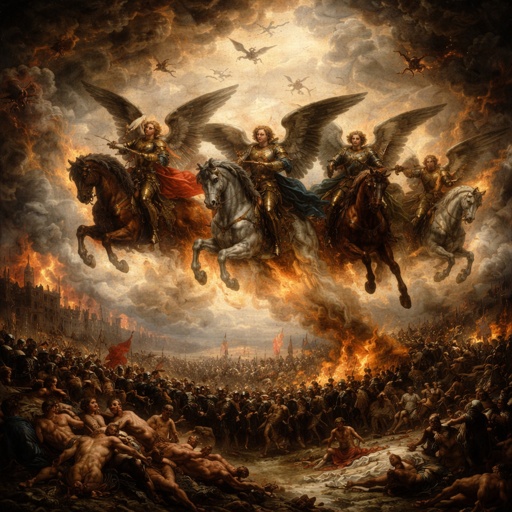
Rev 9:15

Genesis 15:9