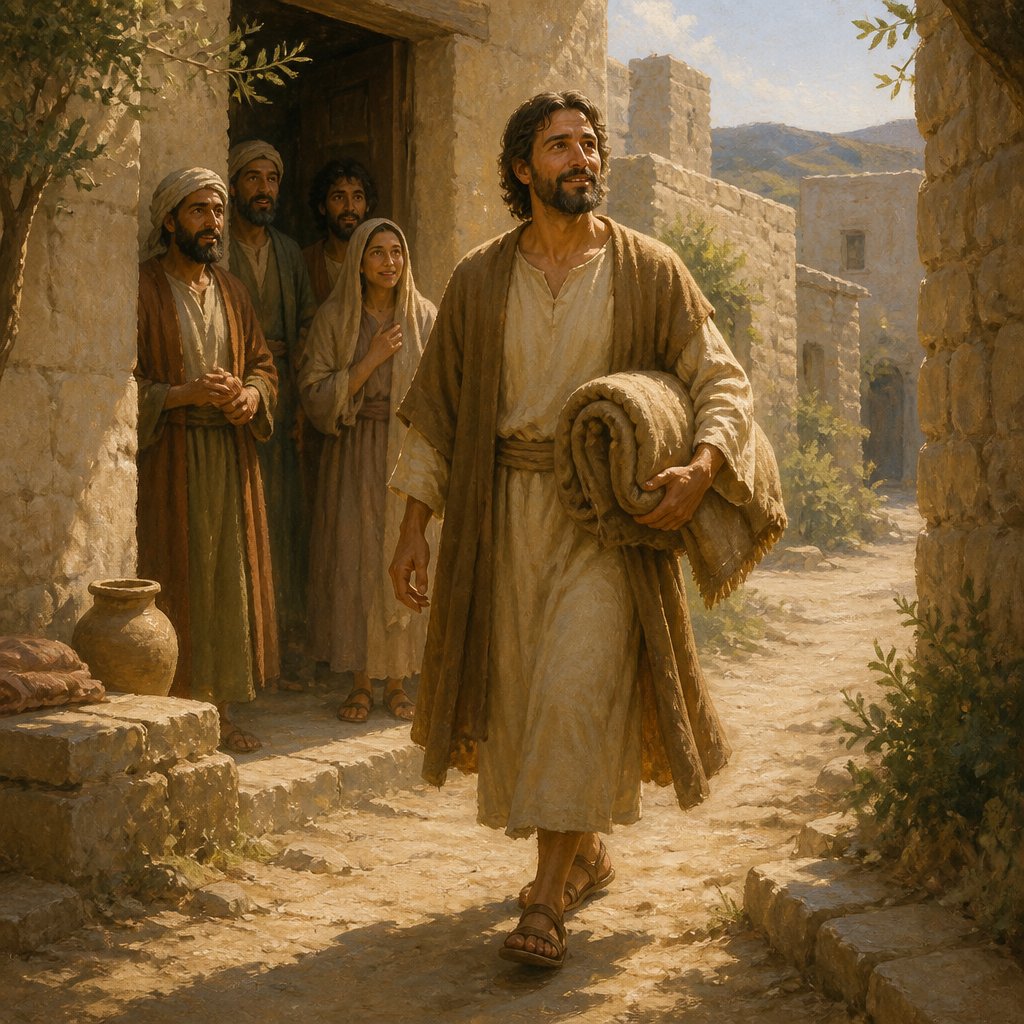
Matthew 9:7 in the King James Version of the Bible says, "And he arose, and departed to his house." This verse comes from a passage in the book of Matthew, which is one of the four Gospels in the New Testament. The passage as a whole describes the healing of a paralyzed man by Jesus. In this verse, the man who was healed by Jesus gets up and goes back to his house.
The context of this verse is important to understanding its significance. In the verses leading up to this one, Jesus had just healed the paralyzed man. Matthew 9:6 says, "But that ye may know that the Son of man hath power on earth to forgive sins, (then saith he to the sick of the palsy,) Arise, take up thy bed, and go unto thine house." This statement by Jesus is a powerful declaration of his authority and divinity. He not only heals the man physically but also forgives his sins, demonstrating his power over both the physical and spiritual realms.
The act of the paralyzed man getting up and going to his house is symbolic of a new beginning and a restoration of his life. Before encountering Jesus, he was unable to walk and likely faced many challenges and limitations in his daily life. But the healing power of Jesus changed everything for him. By rising from his bed and going home, the man is embracing his healing and entering into a new chapter of life. This action symbolizes a physical and spiritual transformation, as well as a return to normalcy and community.
This verse also speaks to the theme of faith and obedience. The paralyzed man's act of getting up and going home demonstrates his faith in Jesus and his willingness to obey Jesus's command to take up his bed and leave. This act of faith and obedience is often seen throughout the Gospels as a prerequisite for experiencing the blessings and power of Jesus. The man's response to the healing power of Jesus serves as an example for believers today, encouraging them to trust in Jesus and obey his teachings.
Additionally, the man's return to his house holds a deeper significance in the context of the culture and customs of the time. In the ancient Near East, the home was not just a physical dwelling but also a place of belonging, identity, and community. By returning to his house, the man is rejoining his family and community, who would have been familiar with his condition and celebrated his healing. This act symbolizes a restoration of his place within his community and a return to a sense of normalcy and dignity.
In a broader sense, this verse also serves as a reminder of the transformative power of Jesus. The healing of the paralyzed man is not just a physical miracle but also a spiritual one. It demonstrates Jesus's ability to restore and renew not only the body but also the soul. This theme of restoration and renewal is a central message of the Gospel and is echoed throughout the New Testament.
In conclusion, Matthew 9:7 from the King James Version of the Bible holds deep symbolism and meaning within the context of the larger passage and the broader themes of the Gospel. The paralyzed man's actions of getting up and going home represent a physical, spiritual, and communal restoration, as well as a powerful display of faith and obedience. Ultimately, this verse serves as a testimony to the transformative and healing power of Jesus, and it continues to inspire and encourage believers today.
Get our apps


Artwork for Matthew 9:7

Matthew 9:7 - "And he arose, and departed to his house."
"And he arose, and departed to his house." - Matthew 9:7

Matthew 7:9 - "Or what man is there of you, whom if his son ask bread, will he give him a stone?"

Matthew 7:9-10 - "Or what man is there of you, whom if his son ask bread, will he give him a stone? Or if he ask a fish, will he give him a serpent?"

Matthew 7:7
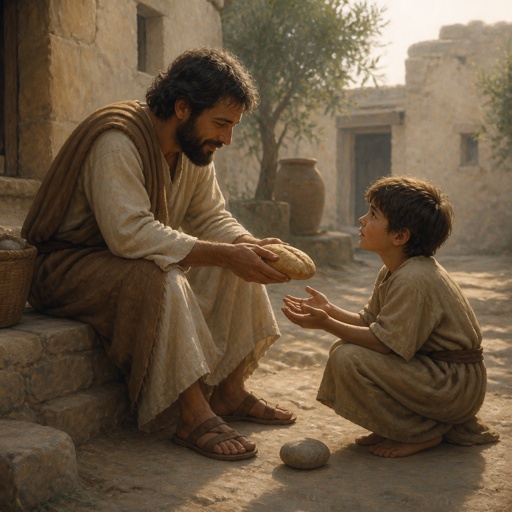
"Or what man is there of you, whom if his son ask bread, will he give him a stone?" - Matthew 7:9

Matthew 9:21

Matthew 9:21-22

Matthew 9:21-22

Matthew 9:21-22

Matthew 9:21-22

Matthew 9:21-22

Matthew 7:13-14

Matthew 7:13-14

Matthew 7:13-14

Matthew 7:13-14

Matthew 7:13-14

Matthew 7:13-14

Matthew 7:13-14

Matthew 2:9

Matthew 7:13-14

Matthew 7:13-14

Matthew 7:13-14

Matthew 7:13-14

Matthew 9:9 - "¶ And as Jesus passed forth from thence, he saw a man, named Matthew, sitting at the receipt of custom: and he saith unto him, Follow me. And he arose, and followed him."

Matthew 2:9

Matthew 7:13

Matthew 7:12

Matthew 7:12

matthew 7:23