What does Micah 1:11 mean?
“Pass ye away, thou inhabitant of Saphir, having thy shame naked: the inhabitant of Zaanan came not forth in the mourning of Beth-ezel; he shall receive of you his standing.” — Micah 1:11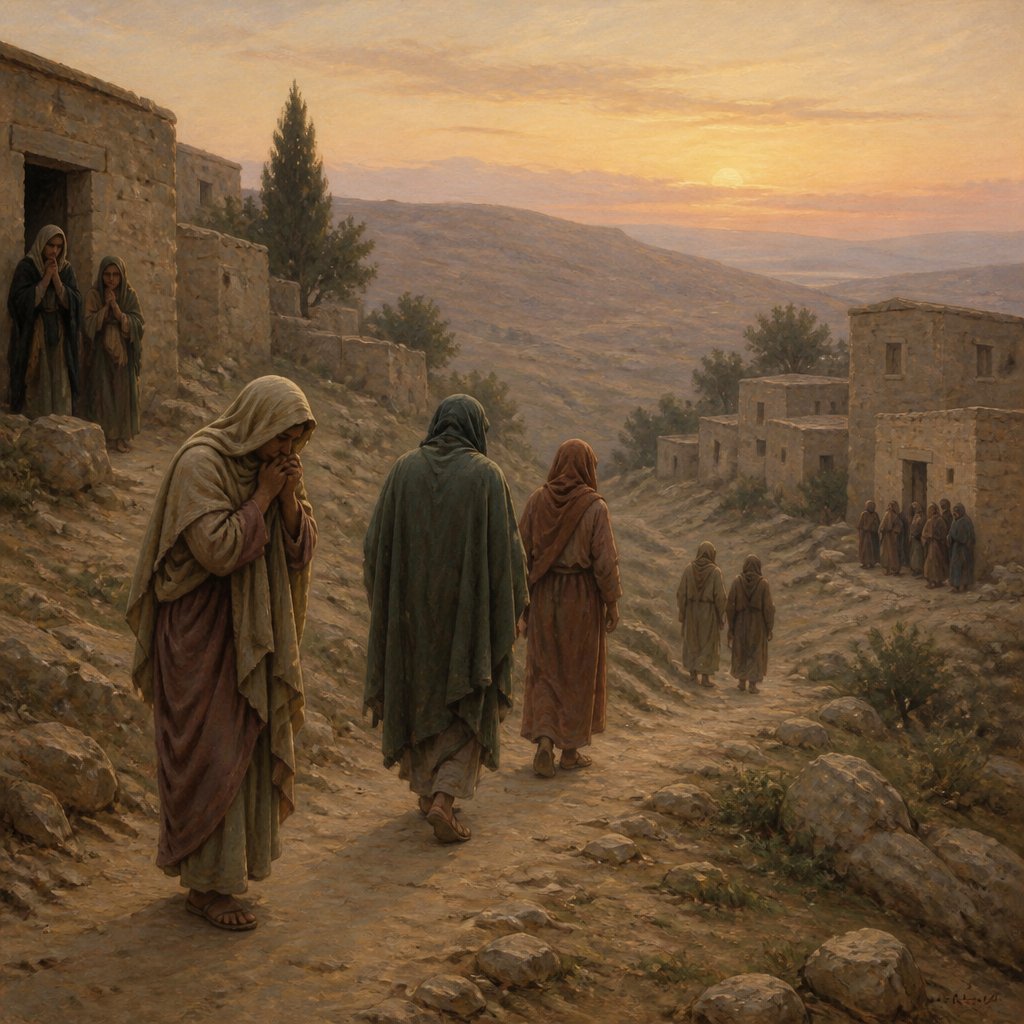
Micah 1:11 (KJV) "Pass ye away, thou inhabitant of Saphir, having thy shame naked: the inhabitant of Zaanan came not forth in the mourning of Bethezel; he shall receive of you his standing."
The book of Micah is one of the twelve minor prophets in the Old Testament. It was written by the prophet Micah, who prophesied in the 8th century BC, during the reigns of Jotham, Ahaz, and Hezekiah, kings of Judah. The book of Micah is a powerful and emotive critique of social injustice, moral corruption, and false religion. It serves as a call to repentance and a reminder of God's ultimate justice and righteousness.
In the verse Micah 1:11, the prophet Micah delivers a warning to the inhabitants of Saphir, Zaanan, and Bethezel, three cities in Judah. He describes the disgrace and shame that will come upon them, and the consequences of their disobedience and rebellion against God.
The symbolism and themes in this verse are rich and poignant. The use of the term "inhabitant" conveys a sense of permanence and stability, emphasizing the severity of the judgment that will come upon these cities. The mention of shame and nakedness suggests a loss of honor and dignity, as well as a stripping away of false pretenses and illusions. This imagery reflects the consequences of sin and moral decay, and the need for true repentance and humility.
The verse also conveys a sense of mourning and lamentation. The failure of the inhabitant of Zaanan to come forth in mourning for Bethezel highlights a lack of compassion and empathy, as well as a disregard for the suffering and injustice that surrounds them. This lack of concern for others serves as a indictment of the moral callousness and self-centeredness that permeates these communities.
The phrase "he shall receive of you his standing" suggests a reversal of fortunes and a retribution for their actions. Those who have caused harm and injustice will themselves experience the consequences of their behavior. This reflects the biblical principle of reaping what one sows, and the ultimate justice and righteousness of God.
The context of this verse within the book of Micah is crucial to understanding its message. Throughout the book, Micah denounces the social and religious injustices prevalent in Judah and declares the impending judgment of God. The prophetic warnings and condemnations of Micah are a powerful call to righteousness and faithfulness, as well as a reminder of the consequences of disobedience and moral corruption.
In conclusion, Micah 1:11 is a powerful and evocative verse that conveys the prophetic warnings and denunciations of the book of Micah. It serves as a poignant reminder of the consequences of sin and disobedience, as well as the ultimate justice and righteousness of God. The imagery and symbolism in this verse convey a message of moral accountability, retribution, and the need for repentance and compassion. Its relevance and significance resonate throughout the ages, serving as a timeless reminder of the enduring principles of justice and righteousness.
Get our apps


Artwork for Micah 1:11

Micah 1:11 - "Pass ye away, thou inhabitant of Saphir, having thy shame naked: the inhabitant of Zaanan came not forth in the mourning of Beth-ezel; he shall receive of you his standing."
"Pass ye away, thou inhabitant of Saphir, having thy shame naked: the inhabitant of Zaanan came not forth in the mourning of Beth-ezel; he shall receive of you his standing." - Micah 1:11

Micah 1:1 - "The word of the LORD that came to Micah the Morasthite in the days of Jotham, Ahaz, and Hezekiah, kings of Judah, which he saw concerning Samaria and Jerusalem."

Micah 7:11 - "In the day that thy walls are to be built, in that day shall the decree be far removed."

Micah 6:11 - "Shall I count them pure with the wicked balances, and with the bag of deceitful weights?"

Micah 5:11 - "And I will cut off the cities of thy land, and throw down all thy strong holds:"

Acts 1:1-11

Micah 5:2-5

Acts 1:1-11

Judges 17:1 - "And there was a man of mount Ephraim, whose name was Micah."

Micah 4:11 - "¶ Now also many nations are gathered against thee, that say, Let her be defiled, and let our eye look upon Zion."

1 Chronicles 8:35 - "And the sons of Micah were, Pithon, and Melech, and Tarea, and Ahaz."

Micah 2:11 - "If a man walking in the spirit and falsehood do lie, saying, I will prophesy unto thee of wine and of strong drink; he shall even be the prophet of this people."

1 Chronicles 9:41 - "And the sons of Micah were, Pithon, and Melech, and Tahrea, and Ahaz."

1 Chronicles 9:40 - "And the son of Jonathan was Merib-baal: and Merib-baal begat Micah."

"The word of the LORD that came to Micah the Morasthite in the days of Jotham, Ahaz, and Hezekiah, kings of Judah, which he saw concerning Samaria and Jerusalem." - Micah 1:1

"In the day that thy walls are to be built, in that day shall the decree be far removed." - Micah 7:11

1 Chronicles 8:34 - "And the son of Jonathan was Merib-baal; and Merib-baal begat Micah."

1 Chronicles 5:5 - "Micah his son, Reaia his son, Baal his son,"

Revelation 1:11

Isaiah 11:1

1 Chronicles 9:15 - "And Bakbakkar, Heresh, and Galal, and Mattaniah the son of Micah, the son of Zichri, the son of Asaph;"

Revelation 1:11

Micah 1:10 - "¶ Declare ye it not at Gath, weep ye not at all: in the house of Aphrah roll thyself in the dust."

"Shall I count them pure with the wicked balances, and with the bag of deceitful weights?" - Micah 6:11

Nehemiah 11:1-19

Micah 1:14 - "Therefore shalt thou give presents to Moresheth-gath: the houses of Achzib shall be a lie to the kings of Israel."

Micah 1:12 - "For the inhabitant of Maroth waited carefully for good: but evil came down from the LORD unto the gate of Jerusalem."

Micah 1:9 - "For her wound is incurable; for it is come unto Judah; he is come unto the gate of my people, even to Jerusalem."

Micah 1:3 - "For, behold, the LORD cometh forth out of his place, and will come down, and tread upon the high places of the earth."