What does Micah 1:2 mean?
“Hear, all ye people; hearken, O earth, and all that therein is: and let the Lord GOD be witness against you, the Lord from his holy temple.” — Micah 1:2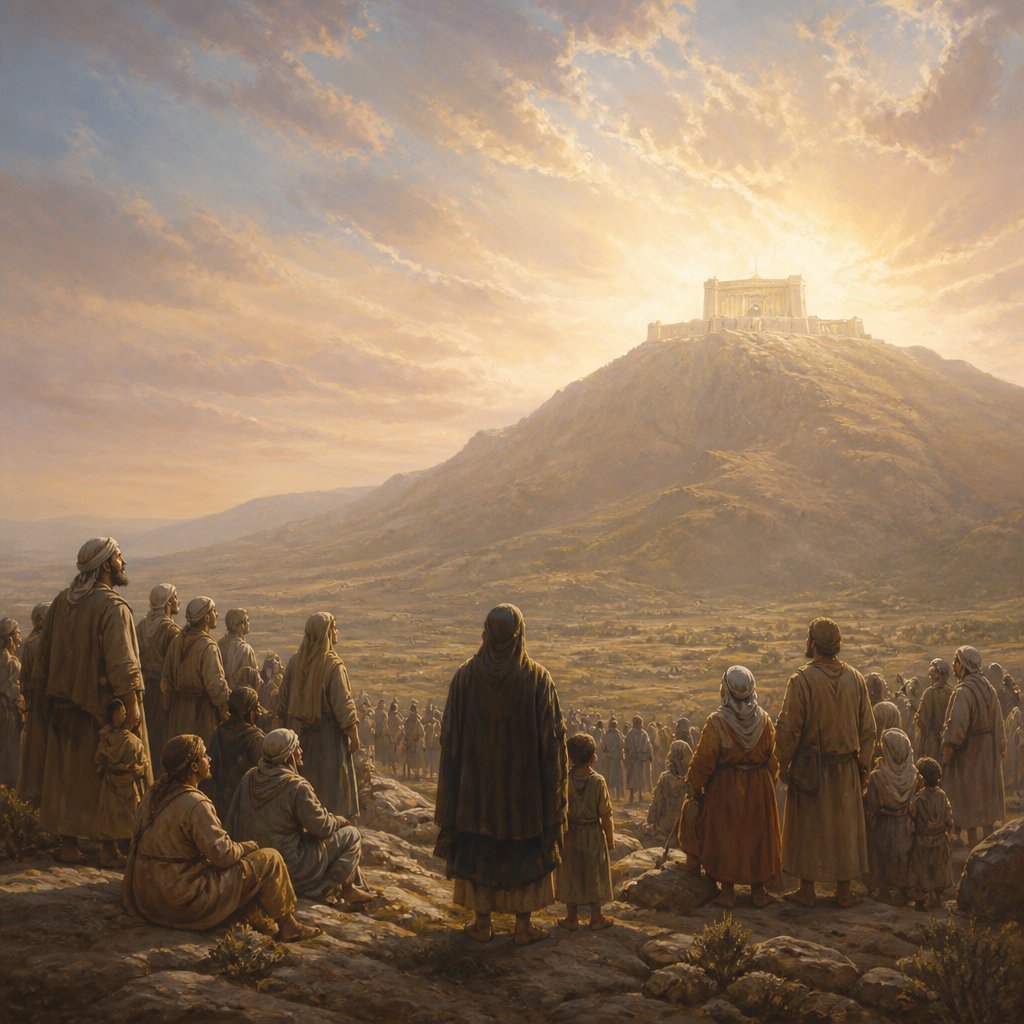
Micah 1:2 (KJV) states, "Hear, all ye people; hearken, O earth, and all that therein is: and let the Lord God be witness against you, the Lord from his holy temple."
The book of Micah is one of the twelve minor prophets in the Old Testament. It is believed to have been written by the prophet Micah, who lived in Judah during the reigns of Jotham, Ahaz, and Hezekiah, kings of Judah (Micah 1:1). Micah was a contemporary of the prophet Isaiah and prophesied during a time of great social and moral decay in both Judah and Israel. The book of Micah contains prophecies of judgment against the people for their sins, but also promises of restoration and hope for the future.
In Micah 1:2, the prophet calls all people and the earth itself to listen to the word of the Lord. This verse serves as an introduction to the prophetic message that follows in the book of Micah. It is a call to attention, indicating the importance of what is about to be spoken. The use of the phrase "hearken, O earth, and all that therein is" emphasizes the universal significance of the message – it is not just for the people of Judah or Israel, but for all of creation. This verse sets the stage for the weight and seriousness of the message that Micah will deliver.
The phrase "let the Lord God be witness against you, the Lord from his holy temple" further emphasizes the divine authority behind Micah's prophetic message. The Lord is presented as a witness, a judge, and the source of judgment against the people. The mention of the Lord from his holy temple conveys the idea of God's presence and sovereignty over the entire earth. It is a reminder that God is not distant or indifferent, but actively involved in human affairs and holds the ultimate authority to bring judgment.
The themes present in Micah 1:2 include the universal scope of God's message, the divine authority of God as a witness and judge, and the call for all people to pay attention to the prophetic word. These themes are relevant not only to the historical context of Micah's time but also have ongoing significance for all people and all generations. The universal call to hear and pay attention to the word of the Lord is a timeless theme that speaks to the relevance of God's message for all people, regardless of time or place.
In addition to the themes, the symbolism in Micah 1:2 is also worth considering. The use of "earth" as a witness to God's judgment suggests that creation itself is impacted by human sin and God's justice. This symbolizes the interconnectedness of all created things and the consequences of human actions on the natural world. The mention of the Lord from his holy temple symbolizes the transcendent nature of God's presence and authority. It conveys the idea that God is not limited by time or space and is sovereign over all.
In conclusion, Micah 1:2 serves as a powerful introduction to the prophetic message of the book of Micah. It calls all people and the earth itself to hear and heed the word of the Lord, emphasizing the universal significance of God's message. The verse also conveys the divine authority of God as a witness and judge, and the symbol of his holy temple signifies his transcendent presence and sovereignty. These themes and symbols resonate not only in the historical context of Micah's time but continue to have relevance and significance for all people, inviting them to listen and respond to the word of the Lord.
Get our apps


Artwork for Micah 1:2

Micah 1:2 - "Hear, all ye people; hearken, O earth, and all that therein is: and let the Lord GOD be witness against you, the Lord from his holy temple."
"Hear, all ye people; hearken, O earth, and all that therein is: and let the Lord GOD be witness against you, the Lord from his holy temple." - Micah 1:2

Micah 5:2-5

Micah 2:1 - "Woe to them that devise iniquity, and work evil upon their beds! when the morning is light, they practise it, because it is in the power of their hand."

Micah 1:1 - "The word of the LORD that came to Micah the Morasthite in the days of Jotham, Ahaz, and Hezekiah, kings of Judah, which he saw concerning Samaria and Jerusalem."

Micah 2:1-2 - "Woe to those who plan iniquity, to those who plot evil on their beds! At morning’s light they carry it out because it is in their power to do it. They covet fields and seize them, and houses, and take them. They defraud people of their homes, they rob them of their inheritance."

Judges 17:1 - "And there was a man of mount Ephraim, whose name was Micah."

1 Chronicles 8:35 - "And the sons of Micah were, Pithon, and Melech, and Tarea, and Ahaz."

1 Chronicles 9:41 - "And the sons of Micah were, Pithon, and Melech, and Tahrea, and Ahaz."

Micah 2:6 - "Prophesy ye not, say they to them that prophesy: they shall not prophesy to them, that they shall not take shame."

1 Chronicles 9:40 - "And the son of Jonathan was Merib-baal: and Merib-baal begat Micah."

Micah 2:5 - "Therefore thou shalt have none that shall cast a cord by lot in the congregation of the LORD."

"The word of the LORD that came to Micah the Morasthite in the days of Jotham, Ahaz, and Hezekiah, kings of Judah, which he saw concerning Samaria and Jerusalem." - Micah 1:1

1 Chronicles 8:34 - "And the son of Jonathan was Merib-baal; and Merib-baal begat Micah."

Micah 2:2 - "And they covet fields, and take them by violence; and houses, and take them away: so they oppress a man and his house, even a man and his heritage."

1 Chronicles 5:5 - "Micah his son, Reaia his son, Baal his son,"

Micah 2:10 - "Arise ye, and depart; for this is not your rest: because it is polluted, it shall destroy you, even with a sore destruction."

1 Chronicles 9:15 - "And Bakbakkar, Heresh, and Galal, and Mattaniah the son of Micah, the son of Zichri, the son of Asaph;"

Micah 1:10 - "¶ Declare ye it not at Gath, weep ye not at all: in the house of Aphrah roll thyself in the dust."
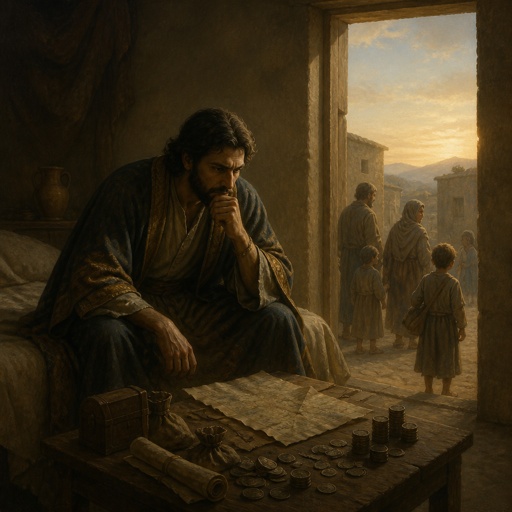
"Woe to them that devise iniquity, and work evil upon their beds! when the morning is light, they practise it, because it is in the power of their hand." - Micah 2:1

Micah 1:14 - "Therefore shalt thou give presents to Moresheth-gath: the houses of Achzib shall be a lie to the kings of Israel."

Micah 1:12 - "For the inhabitant of Maroth waited carefully for good: but evil came down from the LORD unto the gate of Jerusalem."

Micah 1:9 - "For her wound is incurable; for it is come unto Judah; he is come unto the gate of my people, even to Jerusalem."

Micah 1:3 - "For, behold, the LORD cometh forth out of his place, and will come down, and tread upon the high places of the earth."

2 Chronicles 34:20 - "And the king commanded Hilkiah, and Ahikam the son of Shaphan, and Abdon the son of Micah, and Shaphan the scribe, and Asaiah a servant of the king's, saying,"

"And there was a man of mount Ephraim, whose name was Micah." - Judges 17:1

Micah 1:8 - "Therefore I will wail and howl, I will go stripped and naked: I will make a wailing like the dragons, and mourning as the owls."

Micah 1:5 - "For the transgression of Jacob is all this, and for the sins of the house of Israel. What is the transgression of Jacob? is it not Samaria? and what are the high places of Judah? are they not Jerusalem?"

Micah 6:2 - "Hear ye, O mountains, the LORD'S controversy, and ye strong foundations of the earth: for the LORD hath a controversy with his people, and he will plead with Israel."

Micah 3:1 - "And I said, Hear, I pray you, O heads of Jacob, and ye princes of the house of Israel; Is it not for you to know judgment?"