What does Micah 6:15 mean?
“Thou shalt sow, but thou shalt not reap; thou shalt tread the olives, but thou shalt not anoint thee with oil; and sweet wine, but shalt not drink wine.” — Micah 6:15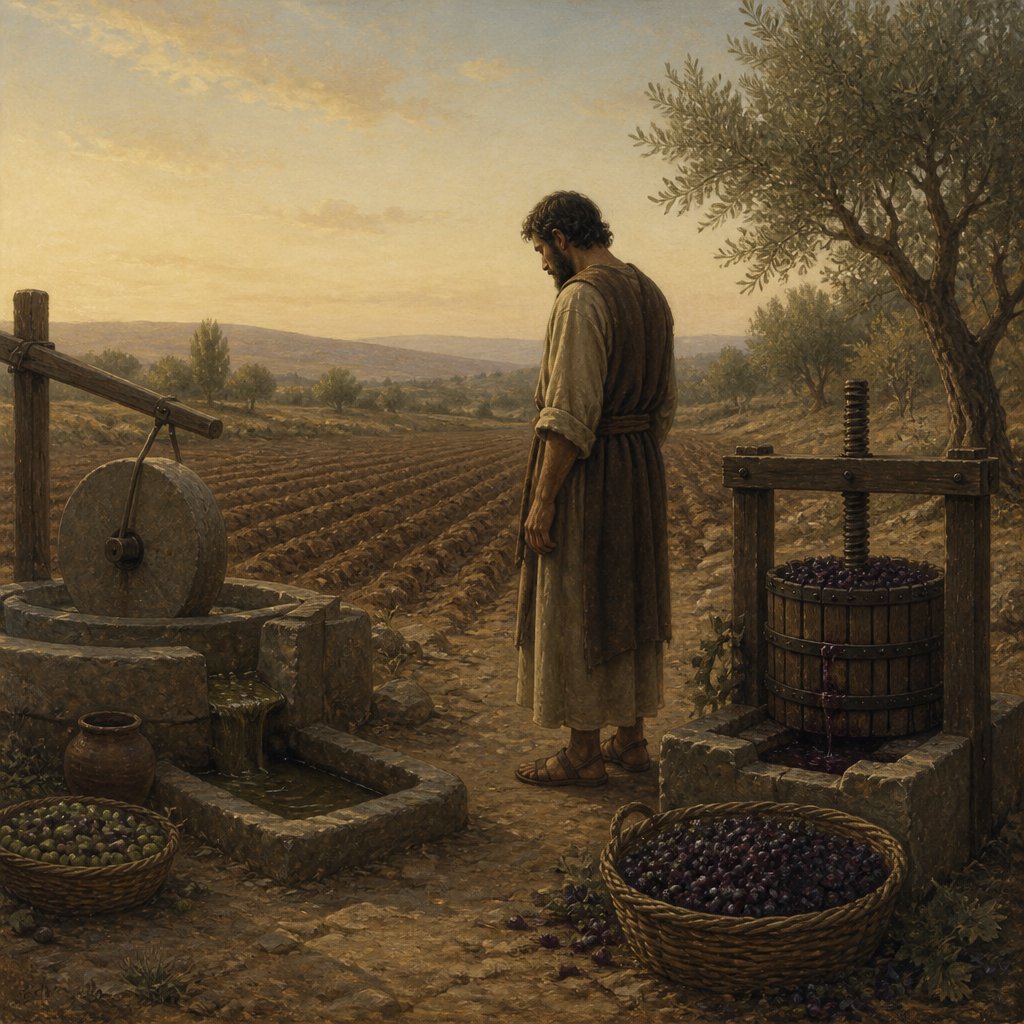
Micah 6:15 (KJV) reads, "Thou shalt sow, but thou shalt not reap; thou shalt tread the olives, but thou shalt not anoint thee with oil; and sweet wine, but shalt not drink wine."
This verse comes from the book of Micah, which is one of the twelve minor prophets in the Old Testament. Micah was a prophet who lived in the 8th century BC during a time of great social and political upheaval in Israel. He prophesied during the reigns of three kings: Jotham, Ahaz, and Hezekiah. The book of Micah contains a message of judgment against Israel for their sins, as well as a message of hope for the future restoration of the nation.
In Micah 6:15, the prophet is warning the people of Israel of the consequences of their disobedience to God. The verse uses agricultural and economic imagery to illustrate the severity of the judgment that will come upon them. The people are being told that they will labor in vain – sowing seeds but not reaping a harvest, treading olives but not enjoying the rewards of their labor, and producing sweet wine but not being able to drink it.
The imagery of sowing and reaping, treading olives, and making wine was familiar to the agrarian society of ancient Israel. These activities were essential for their livelihood and economic well-being. By prophesying that these activities would be fruitless, Micah is conveying the message that the people's disobedience will result in a loss of prosperity and blessing from God.
Symbolically, this verse speaks to the idea of cause and effect – it reminds the people that their actions have consequences. The people of Israel had turned away from God, engaging in idolatry, social injustice, and moral corruption. Micah is warning them that their disobedience will result in a loss of God's favor and protection.
Furthermore, the imagery of sowing and reaping, treading olives, and making wine can also be understood metaphorically. Sowing and reaping can be seen as representing the cycle of sin and its consequences – the people have sown seeds of wickedness, and they will reap the harvest of judgment. Treading olives and making wine, on the other hand, may symbolize the people's efforts to find pleasure and satisfaction through worldly pursuits, but ultimately being denied the benefits of their labor.
In a broader context, Micah 6:15 can be seen as a warning to all people about the consequences of turning away from God and seeking fulfillment in material pursuits. It serves as a reminder that true prosperity and blessing come from obedience to God and living according to His will.
The themes of judgment, disobedience, and consequences are prevalent in this verse. Micah is delivering a powerful message about the importance of faithfulness and the inevitable results of straying from God's ways. While the imagery used may be specific to the agricultural and economic context of ancient Israel, the underlying message is universal and applicable to all generations.
In conclusion, Micah 6:15 is a sobering reminder of the impact of disobedience and the importance of remaining faithful to God. The verse uses vivid agricultural imagery to convey the severity of the consequences of the people's sin. It serves as a timeless warning about the dangers of turning away from God and seeking fulfillment in worldly pursuits. Ultimately, Micah's message is a call to repentance and a reminder of the blessings that come from obedience to God.
Get our apps


Artwork for Micah 6:15

Micah 6:15 - "Thou shalt sow, but thou shalt not reap; thou shalt tread the olives, but thou shalt not anoint thee with oil; and sweet wine, but shalt not drink wine."
"Thou shalt sow, but thou shalt not reap; thou shalt tread the olives, but thou shalt not anoint thee with oil; and sweet wine, but shalt not drink wine." - Micah 6:15

Micah 6:6

Micah 6:8

Micah 5:15 - "And I will execute vengeance in anger and fury upon the heathen, such as they have not heard."

Micah 6:10 - "¶ Are there yet the treasures of wickedness in the house of the wicked, and the scant measure that is abominable?"

1 Chronicles 9:15 - "And Bakbakkar, Heresh, and Galal, and Mattaniah the son of Micah, the son of Zichri, the son of Asaph;"

Micah 6:11 - "Shall I count them pure with the wicked balances, and with the bag of deceitful weights?"

Judges 18:15 - "And they turned thitherward, and came to the house of the young man the Levite, even unto the house of Micah, and saluted him."

Micah 7:15 - "According to the days of thy coming out of the land of Egypt will I shew unto him marvellous things."

Micah 2:6 - "Prophesy ye not, say they to them that prophesy: they shall not prophesy to them, that they shall not take shame."

Micah 6:6 - "¶ Wherewith shall I come before the LORD, and bow myself before the high God? shall I come before him with burnt offerings, with calves of a year old?"

Micah 6:12 - "For the rich men thereof are full of violence, and the inhabitants thereof have spoken lies, and their tongue is deceitful in their mouth."

Micah 1:15 - "Yet will I bring an heir unto thee, O inhabitant of Mareshah: he shall come unto Adullam the glory of Israel."

Micah 6:13 - "Therefore also will I make thee sick in smiting thee, in making thee desolate because of thy sins."

Micah 4:6 - "In that day, saith the LORD, will I assemble her that halteth, and I will gather her that is driven out, and her that I have afflicted;"

Micah 6:1 - "Hear ye now what the LORD saith; Arise, contend thou before the mountains, and let the hills hear thy voice."

Micah 6:9 - "The LORD'S voice crieth unto the city, and the man of wisdom shall see thy name: hear ye the rod, and who hath appointed it."

Micah 6:3 - "O my people, what have I done unto thee? and wherein have I wearied thee? testify against me."

"And I will execute vengeance in anger and fury upon the heathen, such as they have not heard." - Micah 5:15

Micah 6:2 - "Hear ye, O mountains, the LORD'S controversy, and ye strong foundations of the earth: for the LORD hath a controversy with his people, and he will plead with Israel."

Micah 1:6 - "Therefore I will make Samaria as an heap of the field, and as plantings of a vineyard: and I will pour down the stones thereof into the valley, and I will discover the foundations thereof."

"¶ Are there yet the treasures of wickedness in the house of the wicked, and the scant measure that is abominable?" - Micah 6:10

Micah 6:4 - "For I brought thee up out of the land of Egypt, and redeemed thee out of the house of servants; and I sent before thee Moses, Aaron, and Miriam."

Micah 7:6 - "For the son dishonoureth the father, the daughter riseth up against her mother, the daughter in law against her mother in law; a man's enemies are the men of his own house."

Micah 6:7 - "Will the LORD be pleased with thousands of rams, or with ten thousands of rivers of oil? shall I give my firstborn for my transgression, the fruit of my body for the sin of my soul?"

Micah 6:8 - "He hath shewed thee, O man, what is good; and what doth the LORD require of thee, but to do justly, and to love mercy, and to walk humbly with thy God?"

"And Bakbakkar, Heresh, and Galal, and Mattaniah the son of Micah, the son of Zichri, the son of Asaph;" - 1 Chronicles 9:15

"Shall I count them pure with the wicked balances, and with the bag of deceitful weights?" - Micah 6:11

Micah 6:14 - "Thou shalt eat, but not be satisfied; and thy casting down shall be in the midst of thee; and thou shalt take hold, but shalt not deliver; and that which thou deliverest will I give up to the sword."