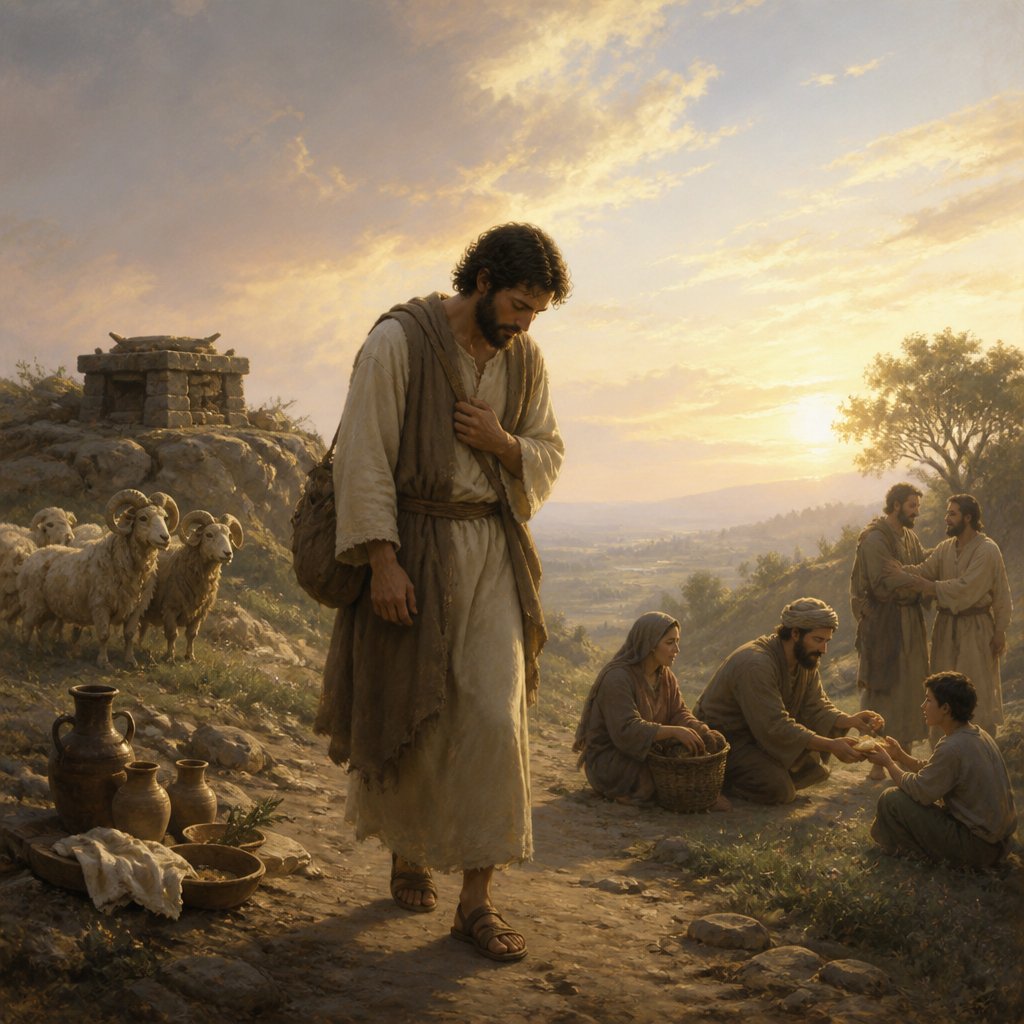
Micah 6:6-8 (KJV) is a powerful and thought-provoking passage that addresses the concept of God’s expectations for His people. It provides a roadmap for living a righteous and just life, and offers insights into the nature of faith, justice, and humility.
The passage begins with a question posed by the prophet Micah on behalf of the people of Israel: “Wherewith shall I come before the Lord, and bow myself before the high God? Shall I come before him with burnt offerings, with calves of a year old?” This question reflects the people’s desire to know how to approach God and seek His favor. It also speaks to the broader human tendency to rely on external rituals and offerings as a means of earning God’s approval.
In response to this question, Micah provides a powerful and succinct summary of God’s expectations: “He hath shewed thee, O man, what is good; and what doth the Lord require of thee, but to do justly, and to love mercy, and to walk humbly with thy God?” This statement encapsulates the core themes of the passage and offers valuable insights into the nature of true faith and devotion.
The first requirement outlined by Micah is to “do justly.” This speaks to the importance of living a life of integrity and righteousness, and of seeking justice for oneself and for others. It emphasizes the significance of ethical conduct and moral uprightness, and calls for a commitment to fairness and equity in all aspects of life. This theme is echoed throughout the Bible, as God consistently calls His people to uphold justice and righteousness in their interactions with one another.
The second requirement is to “love mercy.” This speaks to the importance of demonstrating compassion, kindness, and forgiveness towards others. It emphasizes the value of empathy and understanding, and calls for a spirit of generosity and grace in our relationships with others. This theme underscores the importance of extending mercy and compassion to those in need, and reflects God’s own boundless mercy towards His people.
The final requirement outlined by Micah is to “walk humbly with thy God.” This speaks to the importance of cultivating a spirit of humility, reverence, and surrender in our relationship with God. It emphasizes the need to acknowledge our own limitations and weaknesses, and to rely on God’s guidance and strength in all things. This theme reflects the biblical emphasis on humility as a foundational aspect of faith, and underscores the importance of approaching God with a humble and contrite heart.
In addition to these three core requirements, the passage as a whole carries several key themes and messages that resonate throughout the biblical narrative. One central theme is the contrast between external rituals and internal transformation. Micah challenges the people to move beyond mere outward displays of religiosity and to pursue a deeper, more authentic relationship with God. This theme is reflected in Jesus’ teachings in the New Testament, where he frequently challenges the religious authorities of his day to prioritize matters of the heart over external observances.
Another key theme is the call to social justice and compassion. Throughout the Old Testament, the prophets consistently call on God’s people to seek justice for the oppressed, to care for the vulnerable, and to demonstrate compassion towards those in need. This theme finds its ultimate fulfillment in the life and teachings of Jesus, who embodied a radical commitment to social justice and the care of the marginalized.
Finally, the passage carries a powerful message about the nature of true faith and devotion. It emphasizes that true worship is not about elaborate sacrifices and religious rituals, but about living a life of justice, mercy, and humility. This theme is echoed in the teachings of Jesus, who consistently challenges his followers to embody these values in their daily lives.
In conclusion, Micah 6:6-8 (KJV) offers a profound and timeless message about the nature of true faith and devotion. It challenges us to move beyond mere religious rituals and to embrace a life of justice, mercy, and humility. It calls on us to seek justice for the oppressed, to extend mercy and compassion to those in need, and to walk humbly with our God. In doing so, it offers a powerful vision of what it means to live in alignment with God’s will and to embody the values of His kingdom.
Get our apps


Artwork for Micah 6:6-8

Micah 6:6-8 - "With what shall I come before the Lord and bow down before the exalted God? Shall I come before him with burnt offerings, with calves a year old? Will the Lord be pleased with thousands of rams, with ten thousand rivers of olive oil? Shall I offer my firstborn for my transgression, the fruit of my body for the sin of my soul? He has shown you, O mortal, what is good. And what does the Lord require of you? To act justly and to love mercy and to walk humbly with your God."

"With what shall I come before the Lord and bow down before the exalted God? Shall I come before him with burnt offerings, with calves a year old? Will the Lord be pleased with thousands of rams, with ten thousand rivers of olive oil? Shall I offer my firstborn for my transgression, the fruit of my body for the sin of my soul? He has shown you, O mortal, what is good. And what does the Lord require of you? To act justly and to love mercy and to walk humbly with your God." - Micah 6:6-8

Micah 6:8

Micah 6:6

Micah 6:8 - "He hath shewed thee, O man, what is good; and what doth the LORD require of thee, but to do justly, and to love mercy, and to walk humbly with thy God?"

6:6 8

Micah 6:10 - "¶ Are there yet the treasures of wickedness in the house of the wicked, and the scant measure that is abominable?"

Micah 6:6 - "¶ Wherewith shall I come before the LORD, and bow myself before the high God? shall I come before him with burnt offerings, with calves of a year old?"

Create art in style of Paul Gaugin based on Micah 6:8 without Christian symbols but using native people to portray’Do justice,love mercy and walk humbly with God’

Micah 6:11 - "Shall I count them pure with the wicked balances, and with the bag of deceitful weights?"

Micah 2:6 - "Prophesy ye not, say they to them that prophesy: they shall not prophesy to them, that they shall not take shame."

Micah 6:12 - "For the rich men thereof are full of violence, and the inhabitants thereof have spoken lies, and their tongue is deceitful in their mouth."

Micah 6:13 - "Therefore also will I make thee sick in smiting thee, in making thee desolate because of thy sins."

Micah 4:6 - "In that day, saith the LORD, will I assemble her that halteth, and I will gather her that is driven out, and her that I have afflicted;"

Micah 6:1 - "Hear ye now what the LORD saith; Arise, contend thou before the mountains, and let the hills hear thy voice."

Micah 6:9 - "The LORD'S voice crieth unto the city, and the man of wisdom shall see thy name: hear ye the rod, and who hath appointed it."

Micah 6:3 - "O my people, what have I done unto thee? and wherein have I wearied thee? testify against me."

Micah 6:2 - "Hear ye, O mountains, the LORD'S controversy, and ye strong foundations of the earth: for the LORD hath a controversy with his people, and he will plead with Israel."

Micah 1:6 - "Therefore I will make Samaria as an heap of the field, and as plantings of a vineyard: and I will pour down the stones thereof into the valley, and I will discover the foundations thereof."

"¶ Are there yet the treasures of wickedness in the house of the wicked, and the scant measure that is abominable?" - Micah 6:10

Micah 6:4 - "For I brought thee up out of the land of Egypt, and redeemed thee out of the house of servants; and I sent before thee Moses, Aaron, and Miriam."

Micah 6:15 - "Thou shalt sow, but thou shalt not reap; thou shalt tread the olives, but thou shalt not anoint thee with oil; and sweet wine, but shalt not drink wine."

Micah 7:6 - "For the son dishonoureth the father, the daughter riseth up against her mother, the daughter in law against her mother in law; a man's enemies are the men of his own house."

Micah 6:7 - "Will the LORD be pleased with thousands of rams, or with ten thousands of rivers of oil? shall I give my firstborn for my transgression, the fruit of my body for the sin of my soul?"

"Shall I count them pure with the wicked balances, and with the bag of deceitful weights?" - Micah 6:11

Micah 6:14 - "Thou shalt eat, but not be satisfied; and thy casting down shall be in the midst of thee; and thou shalt take hold, but shalt not deliver; and that which thou deliverest will I give up to the sword."
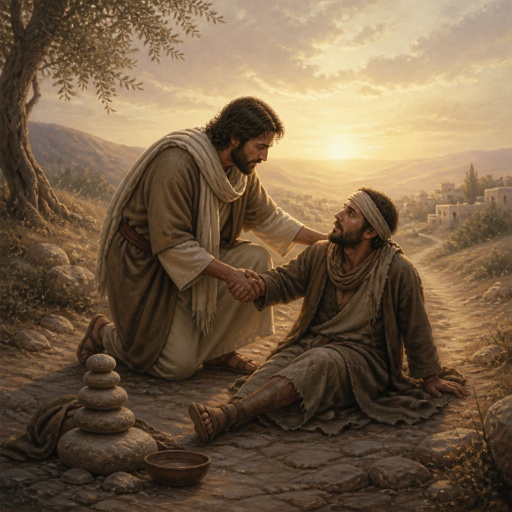
"He hath shewed thee, O man, what is good; and what doth the LORD require of thee, but to do justly, and to love mercy, and to walk humbly with thy God?" - Micah 6:8

Genesis 1:6-8

Genesis 1:6-8

"Prophesy ye not, say they to them that prophesy: they shall not prophesy to them, that they shall not take shame." - Micah 2:6