What does Nahum 1:14 mean?
“And the LORD hath given a commandment concerning thee, that no more of thy name be sown: out of the house of thy gods will I cut off the graven image and the molten image: I will make thy grave; for thou art vile.” — Nahum 1:14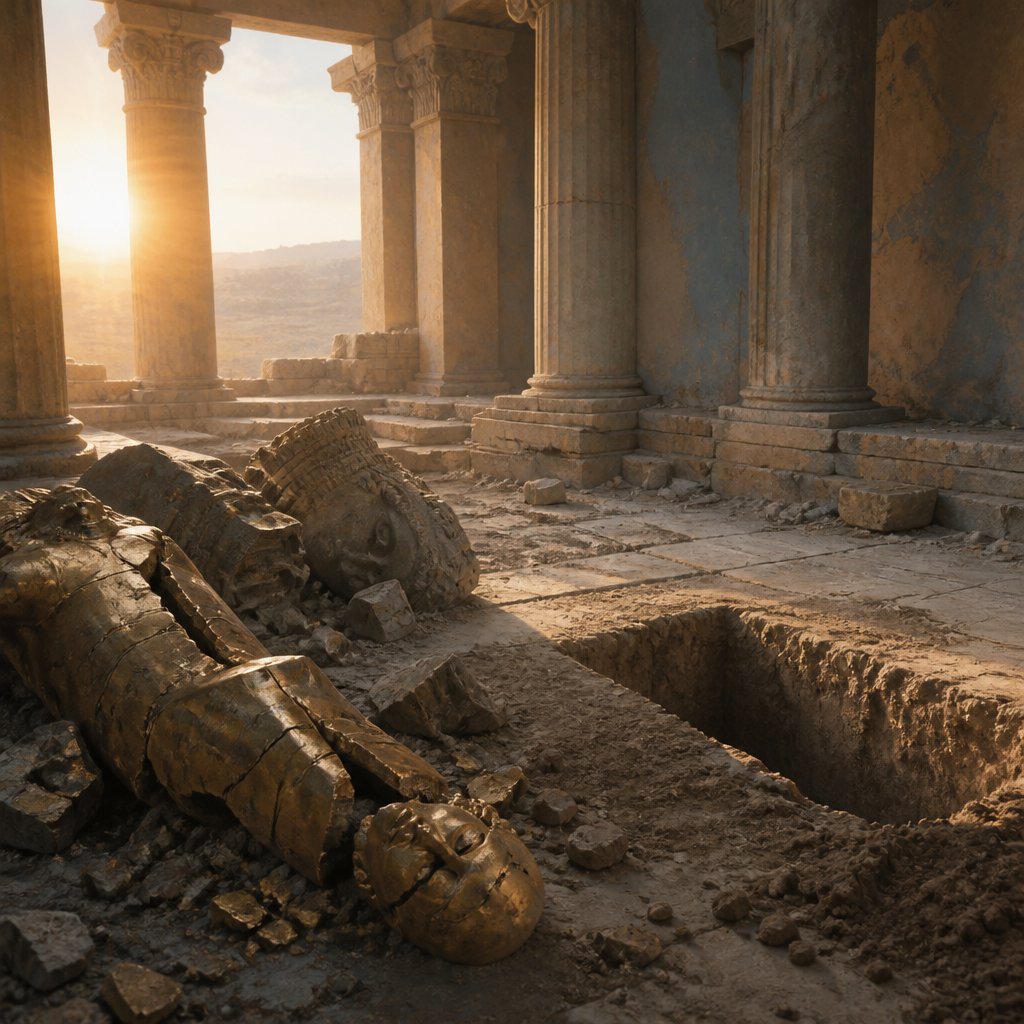
The Bible verse Nahum 1:14 in the King James Version (KJV) states: "And the LORD hath given a commandment concerning thee, that no more of thy name be sown: out of the house of thy gods will I cut off the graven image and the molten image: I will make thy grave; for thou art vile."
This verse is part of the Book of Nahum, which is a part of the Minor Prophets in the Old Testament. The book of Nahum is a prophecy against the city of Nineveh, the capital of the Assyrian Empire, which was a powerful and feared nation in its time. The prophecy depicts the downfall and destruction of Nineveh due to its wickedness and cruelty.
The verse speaks of the judgment that the Lord has pronounced on the city of Nineveh. The commandment given by the Lord signifies a severe and decisive action to be taken against the city. The phrase "that no more of thy name be sown" signifies a complete eradication of the city's existence and its memory. This shows the depth of God's judgment on the city for its wickedness and oppression.
The verse also discusses the dismantling of the idols and images in the house of the gods of Nineveh. The graven images and molten images were a significant part of the idolatrous worship practices of the Assyrians. The destruction of these idols signifies the end of Nineveh's worship of false gods and the futility of their reliance on these powerless idols.
The statement "I will make thy grave; for thou art vile" conveys the idea of the city's vile and wicked nature leading to its destruction and becoming its final resting place. This emphasizes the severity of God's judgment on Nineveh for its sins and highlights the justice and righteousness of God in dealing with the wicked.
The themes present in this verse include divine judgment, justice, and righteousness. It also emphasizes the sovereignty and power of God over the nations and their rulers. The destruction of Nineveh serves as a warning to other nations about the consequences of wickedness and oppression.
The context of this verse is important to understand the significance of the prophecy against Nineveh. The Assyrian Empire was known for its brutality and cruelty towards its enemies, including the people of God. The city of Nineveh was a symbol of arrogance, pride, and wickedness. The prophet Nahum's words were directed against the oppressive and unrepentant city, warning them of their impending doom.
Symbolism in this verse includes the imagery of the destruction of the idols and graven images, which represents the end of idolatry and false worship. It also symbolizes the powerlessness of the gods of Nineveh in the face of God's judgment. The imagery of making a "grave" for Nineveh signifies the total destruction of the city, leaving behind nothing but a remnant of its existence.
In conclusion, Nahum 1:14 is a powerful and unyielding statement of God's judgment on the city of Nineveh. It illustrates the severity of God's justice against the wicked and serves as a reminder of the consequences of unrepentant sin. The verse also offers a message of hope and comfort for the oppressed, as it reveals the ultimate triumph of God's righteousness over the forces of evil.
Get our apps


Artwork for Nahum 1:14

Nahum 1:14 - "And the LORD hath given a commandment concerning thee, that no more of thy name be sown: out of the house of thy gods will I cut off the graven image and the molten image: I will make thy grave; for thou art vile."
"And the LORD hath given a commandment concerning thee, that no more of thy name be sown: out of the house of thy gods will I cut off the graven image and the molten image: I will make thy grave; for thou art vile." - Nahum 1:14

Nahum 1:1 - "The burden of Nineveh. The book of the vision of Nahum the Elkoshite."

"The burden of Nineveh. The book of the vision of Nahum the Elkoshite." - Nahum 1:1

Nahum 1:6

Nahum 3:14 - "Draw thee waters for the siege, fortify thy strong holds: go into clay, and tread the morter, make strong the brickkiln."

Nahum 1:4 - "He rebuketh the sea, and maketh it dry, and drieth up all the rivers: Bashan languisheth, and Carmel, and the flower of Lebanon languisheth."

Nahum 3:1 - "Woe to the bloody city! it is all full of lies and robbery; the prey departeth not;"

Nahum 1:3 – "The Lord is slow to anger but great in power; the Lord will not leave the guilty unpunished."

Nahum 1:11 - "There is one come out of thee, that imagineth evil against the LORD, a wicked counsellor."

Nahum 1:7 - "The LORD is good, a strong hold in the day of trouble; and he knoweth them that trust in him."

Nahum 1:13 - "For now will I break his yoke from off thee, and will burst thy bonds in sunder."

Nahum 1:10 - "For while they be folden together as thorns, and while they are drunken as drunkards, they shall be devoured as stubble fully dry."

Nahum 1:5 - "The mountains quake at him, and the hills melt, and the earth is burned at his presence, yea, the world, and all that dwell therein."

Nahum 1:8 - "But with an overrunning flood he will make an utter end of the place thereof, and darkness shall pursue his enemies."

"He rebuketh the sea, and maketh it dry, and drieth up all the rivers: Bashan languisheth, and Carmel, and the flower of Lebanon languisheth." - Nahum 1:4

Nahum 1:2 - "God is jealous, and the LORD revengeth; the LORD revengeth, and is furious; the LORD will take vengeance on his adversaries, and he reserveth wrath for his enemies."

Nahum 1:9 - "What do ye imagine against the LORD? he will make an utter end: affliction shall not rise up the second time."

Nahum 1:3 - "The LORD is slow to anger, and great in power, and will not at all acquit the wicked: the LORD hath his way in the whirlwind and in the storm, and the clouds are the dust of his feet."

"Woe to the bloody city! it is all full of lies and robbery; the prey departeth not;" - Nahum 3:1
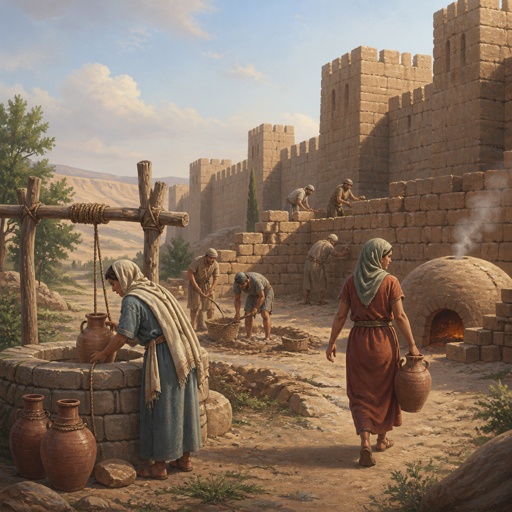
"Draw thee waters for the siege, fortify thy strong holds: go into clay, and tread the morter, make strong the brickkiln." - Nahum 3:14

"Behold upon the mountains the feet of him that bringeth good tidings, that publisheth peace! O Judah, keep thy solemn feasts, perform thy vows: for the wicked shall no more pass through thee; he is utterly cut off." - Nahum 1:15

Nahum 2:1 - "He that dasheth in pieces is come up before thy face: keep the munition, watch the way, make thy loins strong, fortify thy power mightily."

Nahum 1:6 - "Who can stand before his indignation? and who can abide in the fierceness of his anger? his fury is poured out like fire, and the rocks are thrown down by him."

"There is one come out of thee, that imagineth evil against the LORD, a wicked counsellor." - Nahum 1:11

"The LORD is good, a strong hold in the day of trouble; and he knoweth them that trust in him." - Nahum 1:7

Nahum 1:12 - "Thus saith the LORD; Though they be quiet, and likewise many, yet thus shall they be cut down, when he shall pass through. Though I have afflicted thee, I will afflict thee no more."

"For now will I break his yoke from off thee, and will burst thy bonds in sunder." - Nahum 1:13

"For while they be folden together as thorns, and while they are drunken as drunkards, they shall be devoured as stubble fully dry." - Nahum 1:10

"But with an overrunning flood he will make an utter end of the place thereof, and darkness shall pursue his enemies." - Nahum 1:8