What does Nehemiah 1:7 mean?
“We have dealt very corruptly against thee, and have not kept the commandments, nor the statutes, nor the judgments, which thou commandedst thy servant Moses.” — Nehemiah 1:7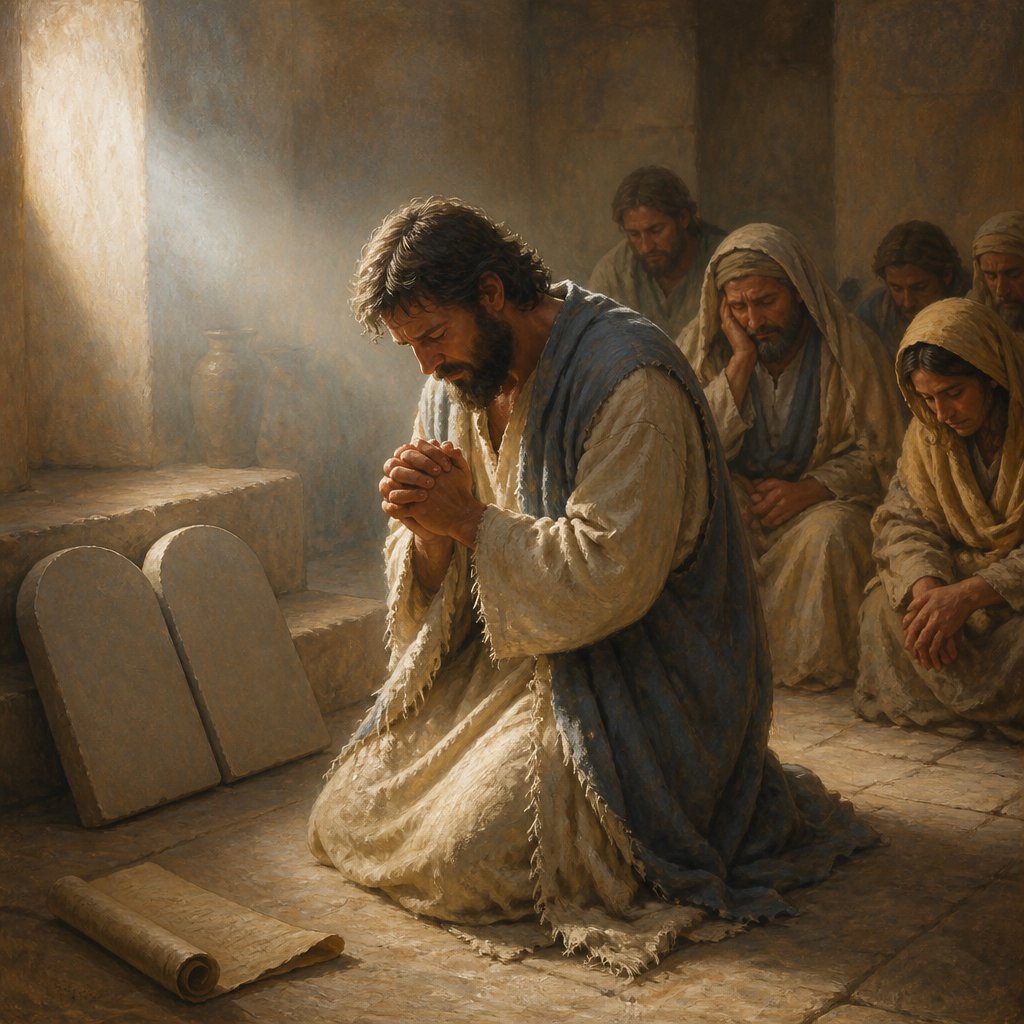
Nehemiah 1:7 (KJV) reads, "We have dealt very corruptly against thee, and have not kept the commandments, nor the statutes, nor the judgments, which thou commandedst thy servant Moses." This verse is part of a prayer from Nehemiah, a Jewish leader and cupbearer to the Persian king, in which he confesses the sins of the people of Israel and pleads with God for mercy and favor as he seeks to rebuild the walls of Jerusalem.
The context of this verse is crucial to understanding its significance. Nehemiah had heard news of the ruin and desolation of his homeland, Jerusalem, and this moved him to great sadness and prayer. His response to this news reveals his deep love for his people and his devotion to God. He begins his prayer by acknowledging the greatness and faithfulness of God, acknowledging that the people of Israel had sinned and strayed from God's commandments, and confessing the sins of his people.
The verse itself serves as a confession of Israel's sins against God. Nehemiah acknowledges that the people had acted corruptly, disobeying God's commandments, statutes, and judgments given through Moses. The Israelites had forsaken their covenant with God and had turned away from His laws. This acknowledgment sets the stage for Nehemiah's humble plea for God's mercy and forgiveness as he seeks to restore Jerusalem.
One of the key themes of this verse is repentance and confession. Nehemiah takes on the role of an intercessor for his people, confessing their sins and seeking forgiveness from God. This act of confession and repentance underscores the importance of acknowledging one's wrongdoings and seeking reconciliation with God. It also highlights the redemptive nature of God, who is willing to forgive and restore those who turn back to Him.
Another theme present in this verse is the faithfulness and sovereignty of God. Despite the disobedience of the Israelites, Nehemiah acknowledges God's faithfulness to His covenant and His steadfast love for His people. This theme underscores God's mercy and grace even in the face of human failure and disobedience.
The verse also holds symbolic significance in the larger biblical narrative. The disobedience and repentance of the Israelites as depicted in this verse reflect the ongoing struggle between human sinfulness and the faithfulness of God throughout the Old Testament. It demonstrates the cyclical nature of sin, repentance, and restoration seen in the history of Israel.
In addition to its thematic significance, this verse has practical implications for believers today. It serves as a reminder of the importance of confession and repentance in the Christian faith. Just as Nehemiah interceded for his people and sought forgiveness on their behalf, believers are called to confess their sins and seek reconciliation with God. This verse also reminds Christians of God's faithfulness and willingness to forgive those who turn to Him with contrite hearts.
In conclusion, Nehemiah 1:7 (KJV) is a powerful and poignant verse that encapsulates themes of repentance, confession, God's faithfulness, and the redemptive nature of God. It serves as a reminder of the ongoing human struggle with sin and the unwavering love and mercy of God. The verse holds relevance both in its historical context and in its application to believers today, encouraging them to seek forgiveness and restoration through confession and repentance.
Get our apps


Artwork for Nehemiah 1:7

Nehemiah 1:7 - "We have dealt very corruptly against thee, and have not kept the commandments, nor the statutes, nor the judgments, which thou commandedst thy servant Moses."

"We have dealt very corruptly against thee, and have not kept the commandments, nor the statutes, nor the judgments, which thou commandedst thy servant Moses." - Nehemiah 1:7

Nehemiah 7:7 - "Who came with Zerubbabel, Jeshua, Nehemiah, Azariah, Raamiah, Nahamani, Mordecai, Bilshan, Mispereth, Bigvai, Nehum, Baanah. The number, I say, of the men of the people of Israel was this;"

Nehemiah 7:1 - "Now it came to pass, when the wall was built, and I had set up the doors, and the porters and the singers and the Levites were appointed,"

Nehemiah 10:7 - "Meshullam, Abijah, Mijamin,"

Nehemiah 7:42 - "The children of Harim, a thousand and seventeen."

Nehemiah 7:24 - "The children of Hariph, an hundred and twelve."

Nehemiah 7:56 - "The children of Neziah, the children of Hatipha."

Nehemiah 7:25 - "The children of Gibeon, ninety and five."

Nehemiah 7:40 - "The children of Immer, a thousand fifty and two."

Nehemiah 7:31 - "The men of Michmas, an hundred and twenty and two."

Nehemiah 7:33 - "The men of the other Nebo, fifty and two."

Nehemiah 7:28 - "The men of Beth-azmaveth, forty and two."

Nehemiah 7:21 - "The children of Ater of Hezekiah, ninety and eight."

Nehemiah 7:14 - "The children of Zaccai, seven hundred and threescore."

Nehemiah 7:27 - "The men of Anathoth, an hundred twenty and eight."

Nehemiah 7:35 - "The children of Harim, three hundred and twenty."

Nehemiah 7:16 - "The children of Bebai, six hundred twenty and eight."

Nehemiah 7:58 - "The children of Jaala, the children of Darkon, the children of Giddel,"

Nehemiah 7:9 - "The children of Shephatiah, three hundred seventy and two."

Nehemiah 7:48 - "The children of Lebana, the children of Hagaba, the children of Shalmai,"

Nehemiah 7:15 - "The children of Binnui, six hundred forty and eight."

Nehemiah 7:19 - "The children of Bigvai, two thousand threescore and seven."

Nehemiah 7:44 - "¶ The singers: the children of Asaph, an hundred forty and eight."

Nehemiah 7:13 - "The children of Zattu, eight hundred forty and five."

Nehemiah 7:18 - "The children of Adonikam, six hundred threescore and seven."

Nehemiah 7:49 - "The children of Hanan, the children of Giddel, the children of Gahar,"

Nehemiah 7:55 - "The children of Barkos, the children of Sisera, the children of Tamah,"

Nehemiah 7:20 - "The children of Adin, six hundred fifty and five."

Nehemiah 1:1 - "The words of Nehemiah the son of Hachaliah. And it came to pass in the month Chisleu, in the twentieth year, as I was in Shushan the palace,"