What does Nehemiah 10:36 mean?
“Also the firstborn of our sons, and of our cattle, as it is written in the law, and the firstlings of our herds and of our flocks, to bring to the house of our God, unto the priests that minister in the house of our God:” — Nehemiah 10:36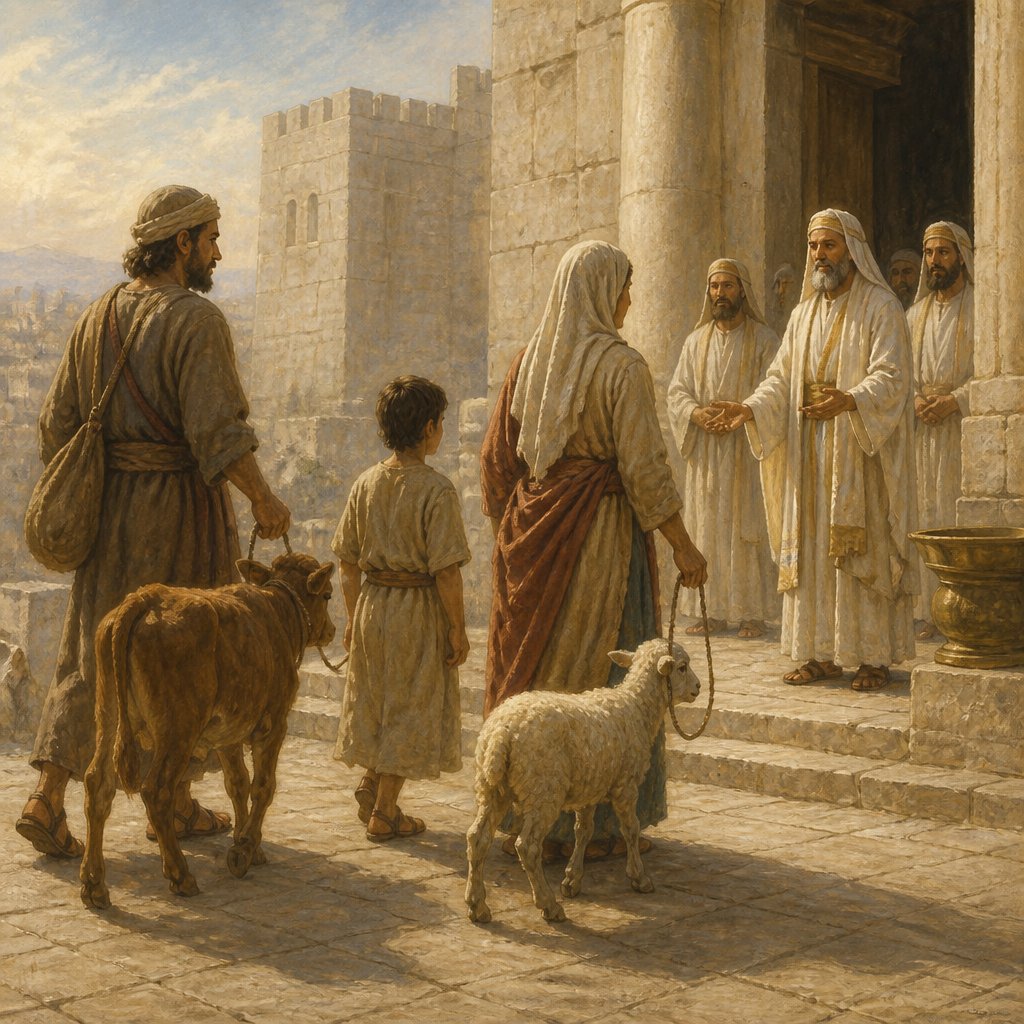
Nehemiah 10:36 (KJV) states, "Also the firstborn of our sons, and of our cattle, as it is written in the law, and the firstlings of our herds and of our flocks, to bring to the house of our God, unto the priests that minister in the house of our God."
This verse comes from the book of Nehemiah in the Old Testament, which tells the story of Nehemiah, a Jewish man who was appointed as the governor of Judah and tasked with leading the people in the process of rebuilding the walls of Jerusalem. In this particular verse, the people are making a binding agreement to uphold the law of God by offering the firstborn of their sons and the firstlings of their herds and flocks as a sacrifice to the house of God.
To understand the deeper meaning of this verse, it is important to consider the context in which it was written. The Israelites had returned to Jerusalem after being exiled in Babylon, and they were in the process of rebuilding the city and restoring their faith and relationship with God. As part of this restoration, they were reaffirming their commitment to obeying God's laws and regulations as outlined in the Torah.
One of the key themes in this verse is the concept of firstfruits. In the Old Testament, the offering of firstfruits was a way for the Israelites to acknowledge God as the source of all their blessings and to express their gratitude for his provision. By offering the firstborn of their sons and the firstlings of their herds and flocks, the people were demonstrating their trust in God's provision and their willingness to honor Him with the best of what they had.
Furthermore, the act of offering firstfruits was also a symbolic way of consecrating their entire livelihood to God. By giving the first and best of their produce and livestock, the Israelites were acknowledging God's ownership over all aspects of their lives. This act of sacrifice was meant to align their hearts and minds with God's will and to cultivate a spirit of humility and dependence on Him.
Additionally, the verse emphasizes the importance of the priesthood and the role of the Levites in the worship and sacrificial system. The people were instructed to bring their offerings to the house of God, where the priests would minister and intercede on their behalf. This highlights the significance of the Levitical priesthood in mediating between the people and God, as well as the need for a proper and orderly approach to worship and sacrifice.
In terms of symbolism, the act of offering firstborn sons and firstlings of the flocks can be seen as a foreshadowing of the ultimate sacrifice of Jesus Christ. In the New Testament, Jesus is described as the firstborn of all creation (Colossians 1:15) and the Lamb of God who takes away the sins of the world (John 1:29). Through His sacrificial death on the cross, Jesus fulfilled the requirements of the law and became the ultimate and perfect offering for the sin of humanity.
In conclusion, Nehemiah 10:36 serves as a powerful reminder of the Israelites' commitment to following God's laws and honoring Him with their firstfruits. It also underscores the importance of the priesthood and the sacrificial system in the worship of God. From a Christian perspective, the verse foreshadows the redemptive work of Jesus Christ as the ultimate and perfect sacrifice for sin. Overall, this verse serves as a testament to the Israelites' desire to live in obedience to God and to acknowledge His sovereignty over all aspects of their lives.
Get our apps


Artwork for Nehemiah 10:36
Nehemiah 10:36 - "Also the firstborn of our sons, and of our cattle, as it is written in the law, and the firstlings of our herds and of our flocks, to bring to the house of our God, unto the priests that minister in the house of our God:"
"Also the firstborn of our sons, and of our cattle, as it is written in the law, and the firstlings of our herds and of our flocks, to bring to the house of our God, unto the priests that minister in the house of our God:" - Nehemiah 10:36

Nehemiah 11:36 - "And of the Levites were divisions in Judah, and in Benjamin."

Nehemiah 7:36 - "The children of Jericho, three hundred forty and five."
"And of the Levites were divisions in Judah, and in Benjamin." - Nehemiah 11:36

Nehemiah 10:1 - "Now those that sealed were, Nehemiah, the Tirshatha, the son of Hachaliah, and Zidkijah,"
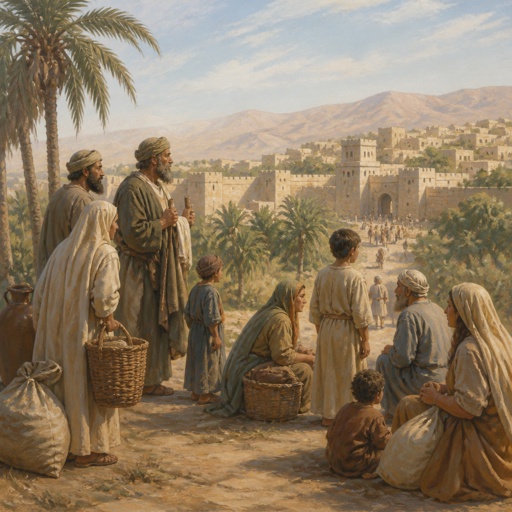
"The children of Jericho, three hundred forty and five." - Nehemiah 7:36

Nehemiah 10:10 - "And their brethren, Shebaniah, Hodijah, Kelita, Pelaiah, Hanan,"

Nehemiah 8:10

Nehemiah 8:10

Nehemiah 8:10

Nehemiah 10:24 - "Hallohesh, Pileha, Shobek,"

Nehemiah 10:22 - "Pelatiah, Hanan, Anaiah,"

Nehemiah 10:5 - "Harim, Meremoth, Obadiah,"

Nehemiah 10:23 - "Hoshea, Hananiah, Hashub,"

Nehemiah 10:21 - "Meshezabeel, Zadok, Jaddua,"

Nehemiah 10:7 - "Meshullam, Abijah, Mijamin,"

Nehemiah 10:11 - "Micha, Rehob, Hashabiah,"

Nehemiah 10:27 - "Malluch, Harim, Baanah."

Nehemiah 10:25 - "Rehum, Hashabnah, Maaseiah,"

Nehemiah 10:19 - "Hariph, Anathoth, Nebai,"

Nehemiah 10:6 - "Daniel, Ginnethon, Baruch,"

Nehemiah 9:36 - "Behold, we are servants this day, and for the land that thou gavest unto our fathers to eat the fruit thereof and the good thereof, behold, we are servants in it:"

Nehemiah 10:26 - "And Ahijah, Hanan, Anan,"

Nehemiah 10:16 - "Adonijah, Bigvai, Adin,"

Nehemiah 10:18 - "Hodijah, Hashum, Bezai,"

Nehemiah 10:20 - "Magpiash, Meshullam, Hezir,"

Nehemiah 10:3 - "Pashur, Amariah, Malchijah,"

Nehemiah 10:17 - "Ater, Hizkijah, Azzur,"

Nehemiah 10:4 - "Hattush, Shebaniah, Malluch,"