What does Nehemiah 10:9 mean?
“And the Levites: both Jeshua the son of Azaniah, Binnui of the sons of Henadad, Kadmiel;” — Nehemiah 10:9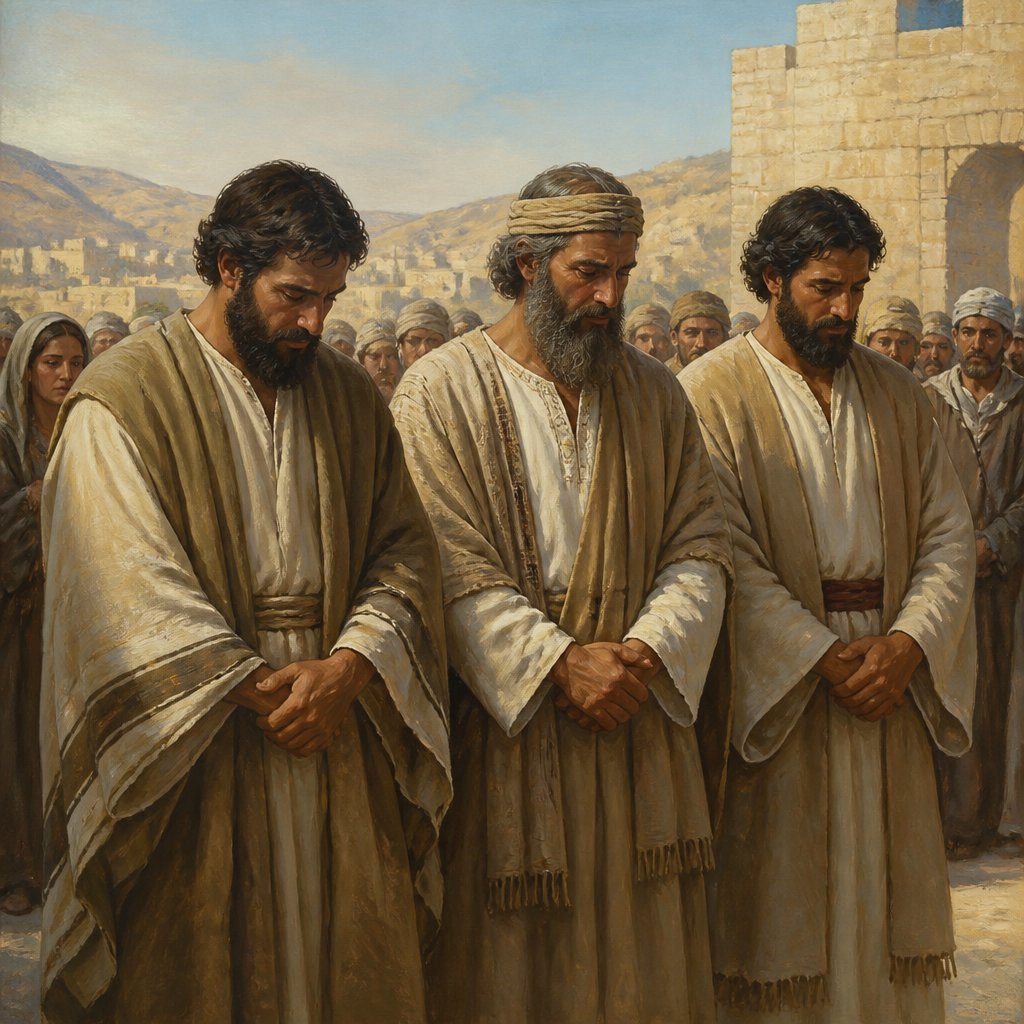
Nehemiah 10:9 (KJV) says, "And the Levites: both Jeshua the son of Azaniah, Binnui of the sons of Henadad, Kadmiel."
This verse comes from the book of Nehemiah in the Old Testament. It is part of a list of people who are signing a covenant, committing themselves to follow the law of God. This covenant was a renewal of the commitment made by the people of Israel to God, as they had strayed from his laws and commandments in the past. The book of Nehemiah tells the story of the rebuilding of the walls of Jerusalem after the Babylonian exile, and the renewal of the people's commitment to God.
The Levites mentioned in this verse were a tribe of Israel set aside for religious service. They were responsible for the care of the tabernacle and later the temple, as well as for teaching the law and leading in worship. Jeshua, Binnui, and Kadmiel were all Levites who were leaders of their tribe and played a significant role in the religious life of the community.
One of the key themes of this verse is the importance of leadership and commitment to God. The fact that these Levites are specifically mentioned shows that they were seen as leaders in the community, and their commitment to the covenant was significant. Their willingness to be held accountable and to publicly pledge their commitment to following God's law was an example to others and helped to set the tone for the entire community.
Another important theme in this verse is the idea of community and unity. The fact that these names are listed together shows that the covenant was not just an individual commitment, but a communal one. The people of Israel were coming together to renew their commitment to God as a collective body, and each person's commitment was important for the well-being of the entire community. This verse serves as a reminder of the importance of working together and supporting one another in our spiritual journeys.
The context of this verse is also important for understanding its significance. The people of Israel had recently returned from exile in Babylon, and the city of Jerusalem was in a state of disrepair. Nehemiah, a servant of the king of Persia, was appointed as governor of Jerusalem and led the effort to rebuild the city walls. As part of this process, he also worked to restore the people's commitment to God and their obedience to his law.
In terms of symbolism, the names of the Levites in this verse may have significance beyond their literal meaning. In the Bible, names often have symbolic or prophetic meanings, and this may also be the case here. For example, the name Jeshua means "Yahweh is salvation," which could be seen as a fitting name for a leader who is renewing the people's commitment to God. Binnui means "Son of my affliction," which could symbolize the suffering and hardship that the people of Israel had endured in exile. Kadmiel means "God is the ancient one," perhaps pointing to the enduring nature of God's covenant with his people.
Overall, Nehemiah 10:9 is a verse that highlights the importance of leadership, community, and commitment to God. It serves as a reminder of the significance of working together and supporting one another in our spiritual journeys, and the enduring nature of God's covenant with his people.
Get our apps


Artwork for Nehemiah 10:9

Nehemiah 10:9 - "And the Levites: both Jeshua the son of Azaniah, Binnui of the sons of Henadad, Kadmiel;"
"And the Levites: both Jeshua the son of Azaniah, Binnui of the sons of Henadad, Kadmiel;" - Nehemiah 10:9

Nehemiah 10:1 - "Now those that sealed were, Nehemiah, the Tirshatha, the son of Hachaliah, and Zidkijah,"

Nehemiah 9:10 - "And shewedst signs and wonders upon Pharaoh, and on all his servants, and on all the people of his land: for thou knewest that they dealt proudly against them. So didst thou get thee a name, as it is this day."

Nehemiah 10:10 - "And their brethren, Shebaniah, Hodijah, Kelita, Pelaiah, Hanan,"

Nehemiah 8:10

Nehemiah 6:9

Nehemiah 8:10

Nehemiah 8:10

Nehemiah 10:24 - "Hallohesh, Pileha, Shobek,"

Nehemiah 10:22 - "Pelatiah, Hanan, Anaiah,"

Nehemiah 10:5 - "Harim, Meremoth, Obadiah,"

Nehemiah 10:23 - "Hoshea, Hananiah, Hashub,"

Nehemiah 10:21 - "Meshezabeel, Zadok, Jaddua,"

Nehemiah 10:7 - "Meshullam, Abijah, Mijamin,"

Nehemiah 10:11 - "Micha, Rehob, Hashabiah,"

Nehemiah 10:27 - "Malluch, Harim, Baanah."

Nehemiah 10:25 - "Rehum, Hashabnah, Maaseiah,"

Nehemiah 10:19 - "Hariph, Anathoth, Nebai,"

Nehemiah 10:6 - "Daniel, Ginnethon, Baruch,"

Nehemiah 10:26 - "And Ahijah, Hanan, Anan,"

Nehemiah 10:16 - "Adonijah, Bigvai, Adin,"

Nehemiah 10:18 - "Hodijah, Hashum, Bezai,"

Nehemiah 10:20 - "Magpiash, Meshullam, Hezir,"

Nehemiah 10:3 - "Pashur, Amariah, Malchijah,"

Nehemiah 10:17 - "Ater, Hizkijah, Azzur,"

Nehemiah 10:4 - "Hattush, Shebaniah, Malluch,"

Nehemiah 10:2 - "Seraiah, Azariah, Jeremiah,"

Nehemiah 10:12 - "Zaccur, Sherebiah, Shebaniah,"

Nehemiah 10:15 - "Bunni, Azgad, Bebai,"