What does Nehemiah 10:32 mean?
“Also we made ordinances for us, to charge ourselves yearly with the third part of a shekel for the service of the house of our God;” — Nehemiah 10:32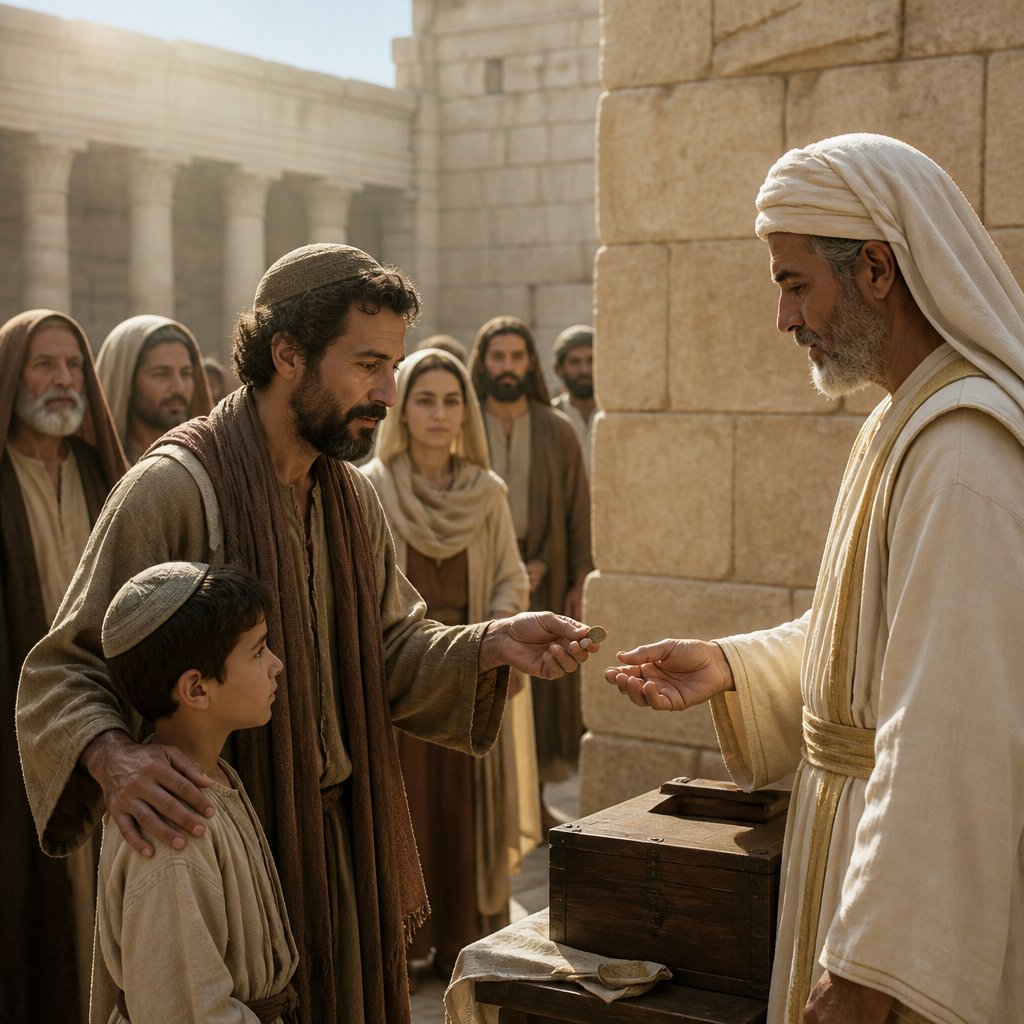
Nehemiah 10:32 from the King James Version (KJV) reads as follows: "Also we made ordinances for us, to charge ourselves yearly with the third part of a shekel for the service of the house of our God."
This verse comes from the book of Nehemiah, which is a historical account of the rebuilding of the walls of Jerusalem and the restoration of the people of Israel after their exile in Babylon. The context of this verse is a solemn commitment made by the Israelites to support the temple and its service through the payment of a yearly tax.
The theme of this verse centers around the responsibilities and commitments of the Israelites to God and His house. The Israelites recognized the significance of the temple and the service it provided in facilitating their relationship with God. By making ordinances and committing to give a portion of their income for the service of the temple, they were demonstrating their dedication to God and His work.
The symbolism in this verse can be seen in the concept of giving a portion of their income to support the temple. This act of giving represented the Israelites' acknowledgement of God's provision in their lives and their willingness to give back to Him. It also symbolized their understanding of stewardship and their commitment to be faithful in their support of God's house.
The significance of this verse lies in its emphasis on the importance of supporting the work of God through giving. The Israelites understood that the temple and its service were vital to their spiritual well-being, and they were willing to make sacrifices to ensure its continuation. This verse serves as a reminder to believers today that supporting the work of God is a fundamental part of their commitment to Him.
Furthermore, this verse also highlights the principle of regular and systematic giving. By charging themselves yearly with the third part of a shekel, the Israelites established a consistent and sustainable means of supporting the temple. This teaches us the importance of being faithful and intentional in our giving, as it reflects our trust in God's provision and our commitment to His work.
In a broader sense, this verse also speaks to the concept of community and unity among believers. The Israelites made this commitment collectively, recognizing that their individual contributions would collectively support the service of the temple. This illustrates the importance of communal responsibility in the body of Christ, as well as the impact of united efforts in furthering God's kingdom.
In conclusion, Nehemiah 10:32 from the KJV holds significant meaning for believers today. It emphasizes the importance of supporting the work of God through regular and intentional giving, as well as the significance of communal responsibility and unity in the body of Christ. This verse serves as a reminder of the commitment and dedication required in serving God and His house, and it challenges us to examine our own attitudes towards giving and supporting the work of God.
Get our apps


Artwork for Nehemiah 10:32

Nehemiah 10:32 - "Also we made ordinances for us, to charge ourselves yearly with the third part of a shekel for the service of the house of our God;"
"Also we made ordinances for us, to charge ourselves yearly with the third part of a shekel for the service of the house of our God;" - Nehemiah 10:32

Nehemiah 11:32 - "And at Anathoth, Nob, Ananiah,"

Nehemiah 7:32 - "The men of Beth-el and Ai, an hundred twenty and three."

Nehemiah 12:32 - "And after them went Hoshaiah, and half of the princes of Judah,"

"And at Anathoth, Nob, Ananiah," - Nehemiah 11:32

Nehemiah 3:32 - "And between the going up of the corner unto the sheep gate repaired the goldsmiths and the merchants."

Nehemiah 10:1 - "Now those that sealed were, Nehemiah, the Tirshatha, the son of Hachaliah, and Zidkijah,"

Nehemiah 10:10 - "And their brethren, Shebaniah, Hodijah, Kelita, Pelaiah, Hanan,"

Nehemiah 8:10

Nehemiah 8:10

Nehemiah 8:10

Nehemiah 10:24 - "Hallohesh, Pileha, Shobek,"

Nehemiah 10:22 - "Pelatiah, Hanan, Anaiah,"

Nehemiah 10:5 - "Harim, Meremoth, Obadiah,"

Nehemiah 10:23 - "Hoshea, Hananiah, Hashub,"

Nehemiah 10:21 - "Meshezabeel, Zadok, Jaddua,"

Nehemiah 10:7 - "Meshullam, Abijah, Mijamin,"

Nehemiah 10:11 - "Micha, Rehob, Hashabiah,"

Nehemiah 10:27 - "Malluch, Harim, Baanah."

Nehemiah 10:25 - "Rehum, Hashabnah, Maaseiah,"

Nehemiah 10:19 - "Hariph, Anathoth, Nebai,"

Nehemiah 10:6 - "Daniel, Ginnethon, Baruch,"

Nehemiah 10:26 - "And Ahijah, Hanan, Anan,"

Nehemiah 10:16 - "Adonijah, Bigvai, Adin,"

Nehemiah 10:18 - "Hodijah, Hashum, Bezai,"

Nehemiah 10:20 - "Magpiash, Meshullam, Hezir,"

Nehemiah 10:3 - "Pashur, Amariah, Malchijah,"

Nehemiah 10:17 - "Ater, Hizkijah, Azzur,"

Nehemiah 10:4 - "Hattush, Shebaniah, Malluch,"