What does Nehemiah 11:21 mean?
“But the Nethinims dwelt in Ophel: and Ziha and Gispa were over the Nethinims.” — Nehemiah 11:21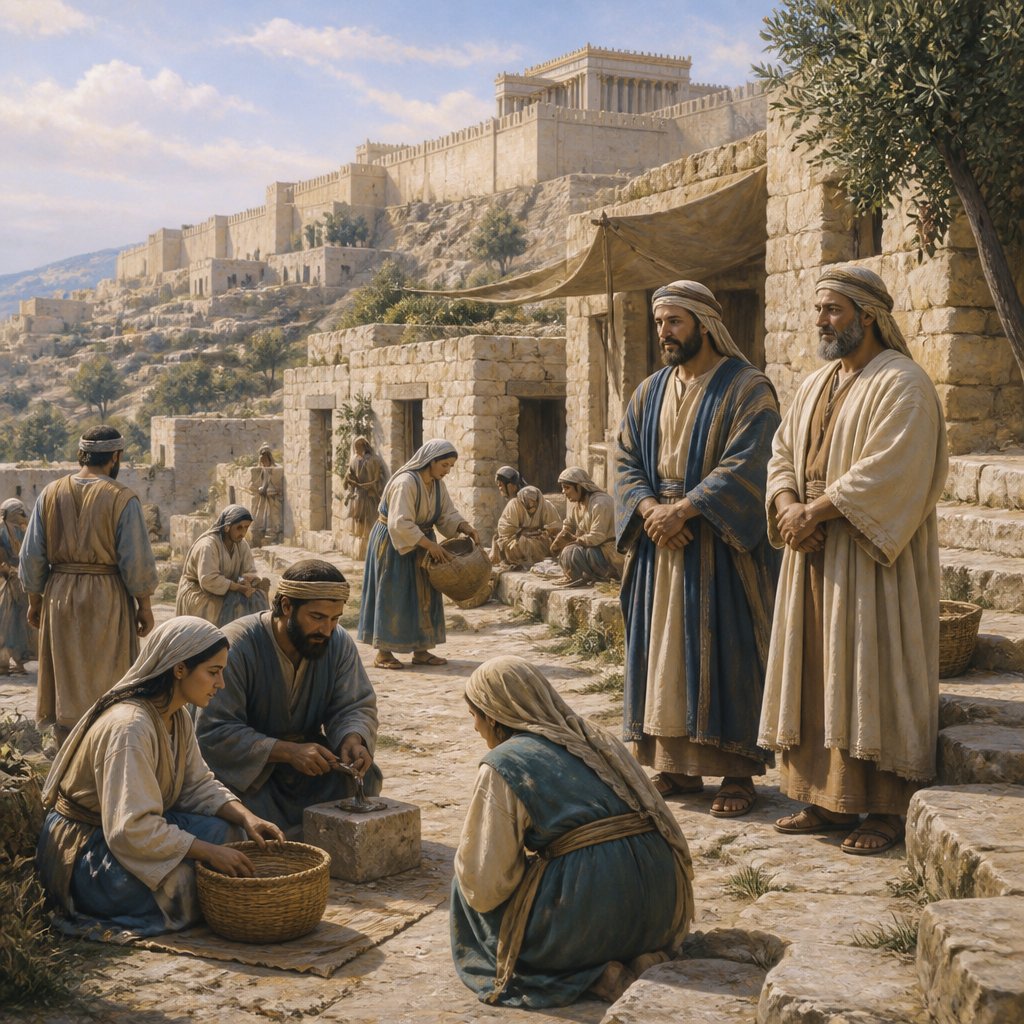
The verse Nehemiah 11:21 in the King James Version of the Bible reads, "But the Nethinims dwelt in Ophel: and Ziha and Gispa were over the Nethinims."
This verse comes from the book of Nehemiah, which is a historical account of the Jews' return to Jerusalem after the Babylonian exile to rebuild the city and its walls. Nehemiah, a cupbearer to the Persian king Artaxerxes, was appointed as governor of Judah and led the Jews in the city's restoration.
To understand the significance of Nehemiah 11:21, it is crucial to first understand who the Nethinims were. The Nethinims were a group of temple servants in ancient Israel. The term "Nethinim" means "those given" or "dedicated ones," and they were appointed to serve the Levites and priests in their duties. They were originally designated by King David to perform menial tasks in the temple, such as maintaining the grounds, cleaning, and assisting with sacrifices. In this verse, it is mentioned that the Nethinims dwelt in Ophel, an area located near the temple mount in Jerusalem.
The mention of Ziha and Gispa being "over the Nethinims" indicates that they were appointed as leaders or overseers of this group of temple servants. This suggests that there was an organized system of governance and responsibility among the Nethinims in the rebuilding of Jerusalem. It demonstrates that even in the restoration of the city, there was a structure and order in place, with individuals appointed to lead and manage specific tasks.
One of the key themes in this verse is the importance of serving and fulfilling one's designated role in the community. The Nethinims, though they may have had menial tasks, played an essential part in the functioning of the temple and the religious life of the people. Their service was an act of dedication and devotion to God, and their presence in Ophel symbolizes their commitment to their duties even in the midst of upheaval and rebuilding.
Another theme that can be drawn from this verse is the significance of leadership and organization in the completion of a collective goal. Ziha and Gispa, as overseers of the Nethinims, exemplify the need for strong leadership and delegation of responsibilities in accomplishing a larger objective. This can be seen as a lesson in effective management and the importance of working together as a community to achieve a common purpose.
In a broader context, this verse also points to the symbolism of the temple and its restoration. The temple in Jerusalem held immense religious, cultural, and historical significance for the Jewish people. Its rebuilding was a symbol of the restoration of their identity and faith after a period of exile and destruction. The presence of the Nethinims in Ophel and the appointment of leaders over them signify the reestablishment of sacred rituals and practices within the community, representing a return to their spiritual roots and the preservation of their religious heritage.
Overall, Nehemiah 11:21, while seemingly a brief and specific verse, holds within it important themes of service, leadership, and the symbolic significance of the temple's restoration. It serves as a reminder of the dedication and commitment of individuals in fulfilling their roles within the community, as well as the necessity of effective organization and leadership in achieving common goals. The verse also reflects the broader context of the Jewish people's return to their homeland and the restoration of their religious and cultural identity.
Get our apps


Artwork for Nehemiah 11:21

Nehemiah 11:21 - "But the Nethinims dwelt in Ophel: and Ziha and Gispa were over the Nethinims."
"But the Nethinims dwelt in Ophel: and Ziha and Gispa were over the Nethinims." - Nehemiah 11:21

Nehemiah 11:11-14

Nehemiah 11:13

Nehemiah 10:21 - "Meshezabeel, Zadok, Jaddua,"

Nehemiah 11:1-19

Nehemiah 12:21 - "Of Hilkiah, Hashabiah; of Jedaiah, Nethaneel."

Nehemiah 7:21 - "The children of Ater of Hezekiah, ninety and eight."

Nehemiah 11:34 - "Hadid, Zeboim, Neballat,"

Nehemiah 10:11 - "Micha, Rehob, Hashabiah,"

Nehemiah 11:33 - "Hazor, Ramah, Gittaim,"

Nehemiah 11:32 - "And at Anathoth, Nob, Ananiah,"

Nehemiah 11:26 - "And at Jeshua, and at Moladah, and at Beth-phelet,"

Nehemiah 11:29 - "And at En-rimmon, and at Zareah, and at Jarmuth,"

"Meshezabeel, Zadok, Jaddua," - Nehemiah 10:21

Nehemiah 11:35 - "Lod, and Ono, the valley of craftsmen."

Nehemiah 11:28 - "And at Ziklag, and at Mekonah, and in the villages thereof,"

Nehemiah 11:36 - "And of the Levites were divisions in Judah, and in Benjamin."

Nehemiah 11:10 - "Of the priests: Jedaiah the son of Joiarib, Jachin."

Nehemiah 12:11 - "And Joiada begat Jonathan, and Jonathan begat Jaddua."
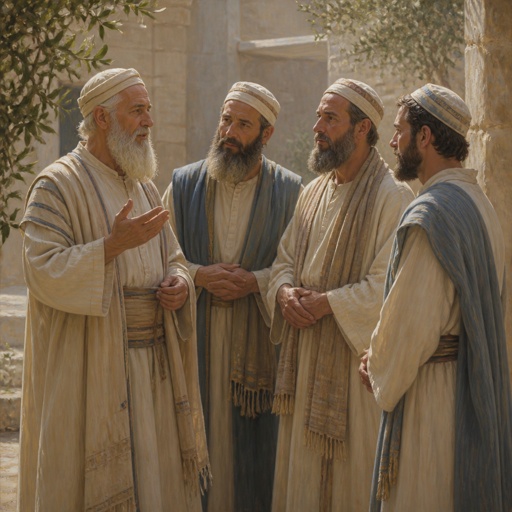
"Of Hilkiah, Hashabiah; of Jedaiah, Nethaneel." - Nehemiah 12:21

Nehemiah 11:27 - "And at Hazar-shual, and at Beer-sheba, and in the villages thereof,"

Nehemiah 2:11 - "So I came to Jerusalem, and was there three days."

Nehemiah 11:11 - "Seraiah the son of Hilkiah, the son of Meshullam, the son of Zadok, the son of Meraioth, the son of Ahitub, was the ruler of the house of God."

"And at Anathoth, Nob, Ananiah," - Nehemiah 11:32

"Hadid, Zeboim, Neballat," - Nehemiah 11:34

"Hazor, Ramah, Gittaim," - Nehemiah 11:33

"Micha, Rehob, Hashabiah," - Nehemiah 10:11
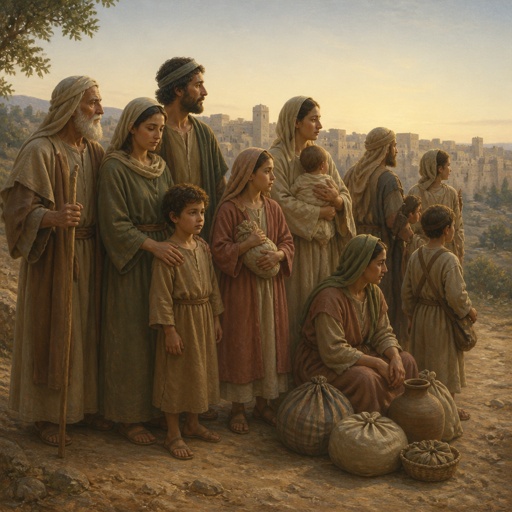
"The children of Ater of Hezekiah, ninety and eight." - Nehemiah 7:21

Nehemiah 11:8 - "And after him Gabbai, Sallai, nine hundred twenty and eight."