What does Nehemiah 11:27 mean?
“And at Hazar-shual, and at Beer-sheba, and in the villages thereof,” — Nehemiah 11:27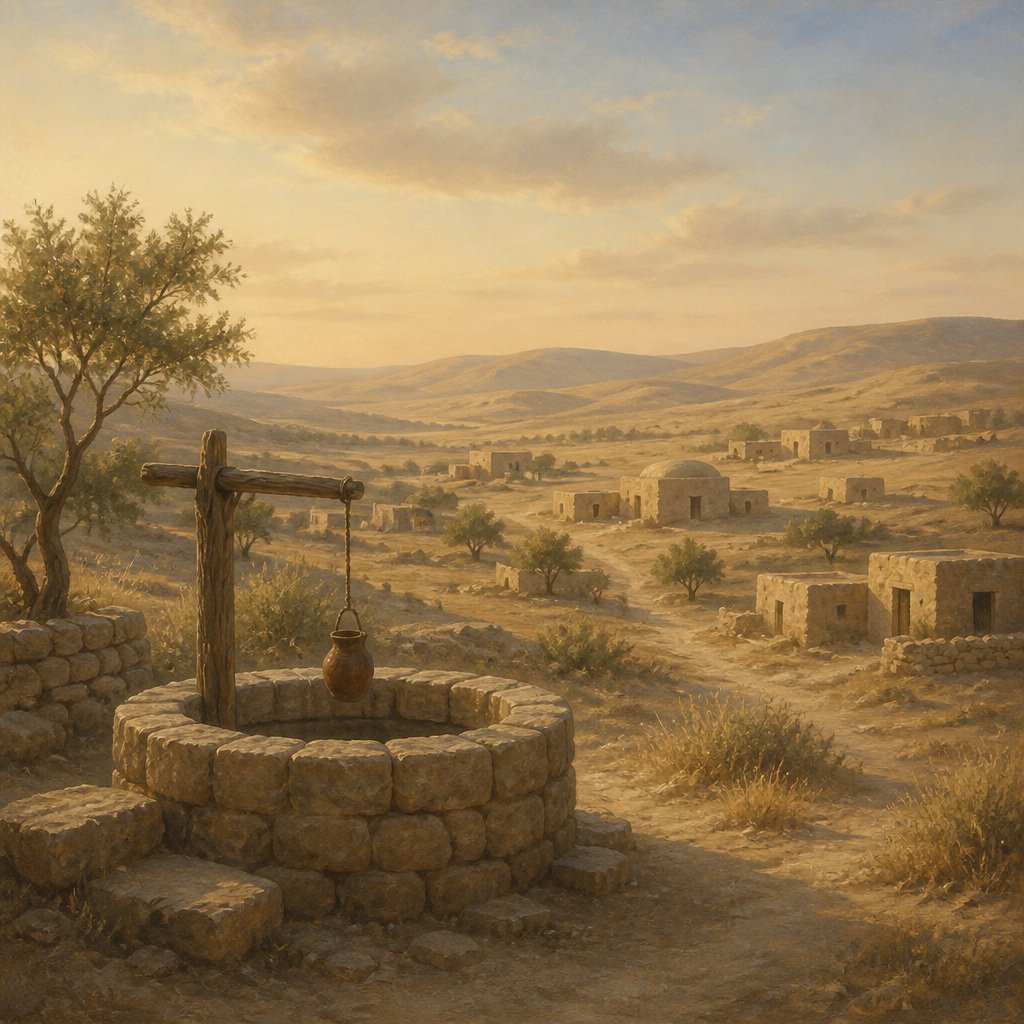
Nehemiah 11:27 in the King James Version of the Bible states, "And at Gibeon dwelt the father of Gibeon; whose wife's name was Maachah". This verse is part of the historical account of the distribution of the Levites and priests throughout the region following the rebuilding of the walls of Jerusalem by Nehemiah.
To understand the meaning and significance of this verse, it is important to explore its context within the larger narrative of the Book of Nehemiah. The Book of Nehemiah is set in the Persian Empire during the 5th century BCE, and it recounts the efforts of Nehemiah, a Jewish official serving as cupbearer to the Persian King Artaxerxes, to rebuild the walls of Jerusalem and restore the spiritual and physical wellbeing of the Israelite people.
In Chapter 11, the leaders of the people are chosen to dwell in Jerusalem, while the rest of the people cast lots to determine who would live in the holy city and who would live in the other towns of Judah. The verse in question, Nehemiah 11:27, provides a specific detail about the inhabitants of Gibeon, a town in the territory of Benjamin. It mentions the "father of Gibeon" and his wife, Maachah, providing a glimpse into the personal lives of the people settled in that region.
One of the primary themes of the Book of Nehemiah is the restoration of the spiritual and physical well-being of the Israelite community. The focus is on rebuilding the walls of Jerusalem, reinstating the keeping of the law, and ensuring the proper distribution of the Levites and priests. The verse in question, though seemingly a minor detail, reinforces the theme of community and the importance of family and lineage in the preservation of the Israelite identity and heritage.
The mention of the "father of Gibeon" and his wife, Maachah, serves as a reminder of the individuals who contributed to the preservation and continuity of the Israelite community. It also highlights the importance of lineage and family connections in the distribution of the inhabitants throughout the region. In a broader sense, this verse emphasizes the significance of individuals and families within the larger context of the community, as well as their roles in maintaining the traditions and heritage of their people.
Symbolically, the verse can also be seen as a representation of the interconnectedness of the Israelite community. Each family and individual plays a vital role in the preservation and continuation of the community, and their contributions are valued and recognized. The mention of Maachah, the wife of the father of Gibeon, also underscores the significance of women in the biblical narrative, as they are often portrayed as essential figures in the transmission of lineage and heritage.
In conclusion, Nehemiah 11:27 may seem like a small and insignificant detail in the larger narrative of the Book of Nehemiah, but its inclusion serves to emphasize the themes of community, family, and lineage. It underscores the interconnectedness of the Israelite people and the importance of individuals and families in the preservation of their heritage. By recognizing the contribution of the "father of Gibeon" and his wife, Maachah, this verse highlights the role of each individual in the larger community and the preservation of their shared identity.
Get our apps


Artwork for Nehemiah 11:27

Nehemiah 11:27 - "And at Hazar-shual, and at Beer-sheba, and in the villages thereof,"
"And at Hazar-shual, and at Beer-sheba, and in the villages thereof," - Nehemiah 11:27

Nehemiah 10:27 - "Malluch, Harim, Baanah."

Nehemiah 7:27 - "The men of Anathoth, an hundred twenty and eight."

Nehemiah 11:11-14

Nehemiah 11:13

Nehemiah 11:1-19

"Malluch, Harim, Baanah." - Nehemiah 10:27

Nehemiah 11:34 - "Hadid, Zeboim, Neballat,"

Nehemiah 10:11 - "Micha, Rehob, Hashabiah,"

Nehemiah 11:33 - "Hazor, Ramah, Gittaim,"

Nehemiah 11:32 - "And at Anathoth, Nob, Ananiah,"

Nehemiah 11:26 - "And at Jeshua, and at Moladah, and at Beth-phelet,"

Nehemiah 11:29 - "And at En-rimmon, and at Zareah, and at Jarmuth,"

Nehemiah 11:35 - "Lod, and Ono, the valley of craftsmen."

Nehemiah 11:28 - "And at Ziklag, and at Mekonah, and in the villages thereof,"
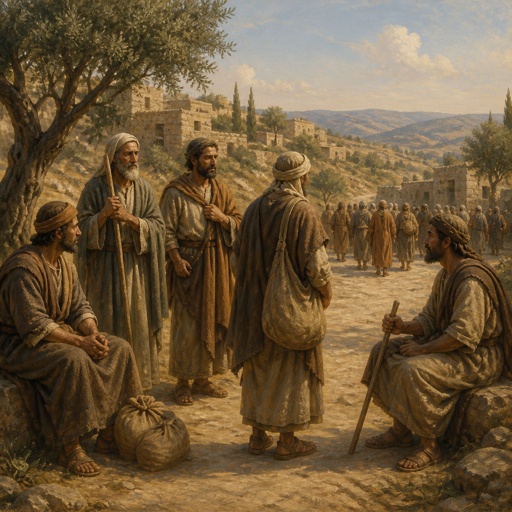
"The men of Anathoth, an hundred twenty and eight." - Nehemiah 7:27

Nehemiah 11:36 - "And of the Levites were divisions in Judah, and in Benjamin."

Nehemiah 11:10 - "Of the priests: Jedaiah the son of Joiarib, Jachin."

Nehemiah 12:11 - "And Joiada begat Jonathan, and Jonathan begat Jaddua."

Nehemiah 2:11 - "So I came to Jerusalem, and was there three days."

Nehemiah 11:11 - "Seraiah the son of Hilkiah, the son of Meshullam, the son of Zadok, the son of Meraioth, the son of Ahitub, was the ruler of the house of God."

"And at Anathoth, Nob, Ananiah," - Nehemiah 11:32

"Hadid, Zeboim, Neballat," - Nehemiah 11:34

"Hazor, Ramah, Gittaim," - Nehemiah 11:33

"Micha, Rehob, Hashabiah," - Nehemiah 10:11

Nehemiah 11:21 - "But the Nethinims dwelt in Ophel: and Ziha and Gispa were over the Nethinims."

Nehemiah 11:8 - "And after him Gabbai, Sallai, nine hundred twenty and eight."

Nehemiah 3:27 - "After them the Tekoites repaired another piece, over against the great tower that lieth out, even unto the wall of Ophel."

Nehemiah 13:27 - "Shall we then hearken unto you to do all this great evil, to transgress against our God in marrying strange wives?"