What does Nehemiah 11:5 mean?
“And Maaseiah the son of Baruch, the son of Col-hozeh, the son of Hazaiah, the son of Adaiah, the son of Joiarib, the son of Zechariah, the son of Shiloni.” — Nehemiah 11:5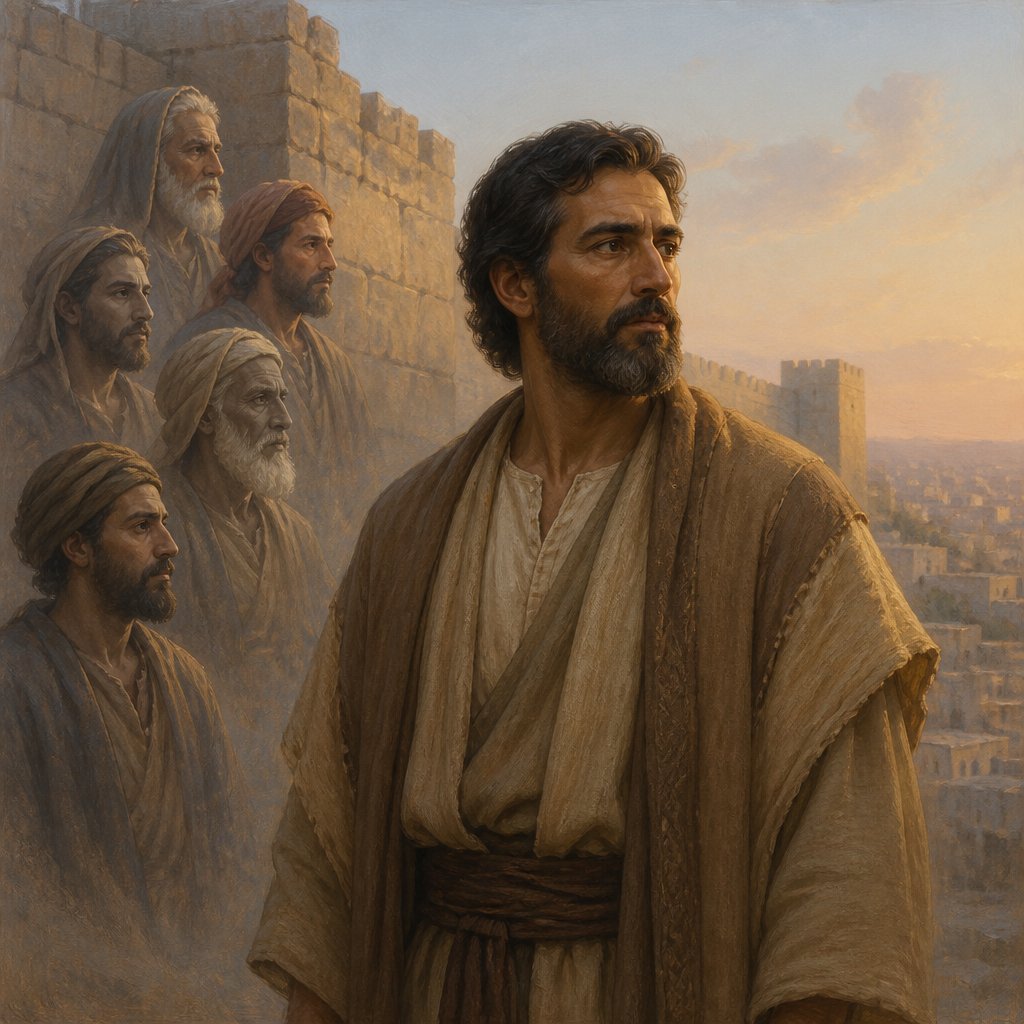
Nehemiah 11:5 (KJV) reads: "And Maaseiah the son of Baruch, the son of Colhozeh, the son of Hazaiah, the son of Adaiah, the son of Joiarib, the son of Zechariah, the son of Shiloni."
The book of Nehemiah is a historical account of the restoration of Jerusalem after the Babylonian exile. Nehemiah, a servant of King Artaxerxes, was appointed as governor of Judah and given the task of rebuilding the city walls and restoring the worship of God among the returned exiles. Nehemiah 11:5 is part of a list of names that were recorded during this significant period in Israel's history.
While seemingly mundane and insignificant at first glance, the genealogical record in Nehemiah 11:5 carries great weight and significance, serving as a reminder of God's faithfulness to His people and the importance of each individual within the community.
One of the key themes of the book of Nehemiah is the importance of remembering and preserving the history and heritage of God's people. The genealogical records mentioned throughout the book serve as a testament to God's covenant faithfulness and His promise to maintain a remnant of His people, despite the exile and the suffering they experienced. By including this list of names, the author emphasizes the continuity and identity of the Jewish people, as well as their connection to the promises of God.
The genealogy recorded in Nehemiah 11:5 also serves as a reminder of the importance of community and the interconnectedness of individuals within the body of believers. Each name listed represents a person who played a part in the history and destiny of God's people. They are not just names on a list, but individuals who contributed to the larger story of God's redemptive plan for His people.
Furthermore, the genealogy underscores the significance of lineage and heritage within the Jewish culture. It highlights the idea of belonging and identity, as well as the responsibility of each individual to carry on the legacy and traditions of their ancestors. This idea is especially relevant in the context of the restoration of Jerusalem, as the returning exiles sought to reclaim and rebuild the city that held such deep historical and spiritual significance for them.
The choice of using the King James Version for this verse is also significant, as many readers and scholars regard it as a symbol of tradition and heritage within the English-speaking Christian community. The use of this particular translation further emphasizes the connection to the historical roots and cultural legacy of the biblical narrative.
In conclusion, while Nehemiah 11:5 may seem like a simple list of names, it carries profound meaning and significance within the larger context of the book. It serves as a reminder of God's faithfulness, the importance of community and individual identity, and the preservation of tradition and heritage. As such, this verse continues to inspire and challenge believers to recognize their place within the larger narrative of God's redemptive plan and to embrace their role in preserving the history and legacy of their faith.
Get our apps


Artwork for Nehemiah 11:5

Nehemiah 11:5 - "And Maaseiah the son of Baruch, the son of Col-hozeh, the son of Hazaiah, the son of Adaiah, the son of Joiarib, the son of Zechariah, the son of Shiloni."
"And Maaseiah the son of Baruch, the son of Col-hozeh, the son of Hazaiah, the son of Adaiah, the son of Joiarib, the son of Zechariah, the son of Shiloni." - Nehemiah 11:5

Nehemiah 5:11 - "Restore, I pray you, to them, even this day, their lands, their vineyards, their oliveyards, and their houses, also the hundredth part of the money, and of the corn, the wine, and the oil, that ye exact of them."

Nehemiah 11:11-14

Nehemiah 11:13

Nehemiah 11:1-19

A biblical scene from Nehemiah 1:5-11 - Nehemiah, a Caucasian male in middle-eastern garb, is depicted respectfully requesting time from the king, a Middle-Eastern male seated on a throne. He is asking for the opportunity to return to Judah and help his people build a wall. The setting is a grand royal court marked by golden hues, opulent textiles, and architecturally rich columns. Nehemiah is the king's servant.

A biblical scene from Nehemiah 1:5-11 - Nehemiah, a Caucasian male in middle-eastern garb, is depicted respectfully requesting time from the king, a Middle-Eastern male seated at the dinner table while Nehemiah is serving his drink. He is asking for the opportunity to return to Judah and help his people build a wall. The setting is a grand royal court marked by golden hues, opulent textiles, and architecturally rich columns.

A biblical scene from Nehemiah 1:5-11 - Nehemiah, a middle-age Caucasian male in middle-eastern garb, is serving a drink to the Persian king, a Middle-Eastern male seated at the dinner table. The setting is a grand royal court marked by golden hues, opulent textiles, and architecturally rich columns.

A biblical scene from Nehemiah 1:5-11 - Nehemiah, a Caucasian male in middle-eastern garb, is depicted respectfully requesting time from the king, a Middle-Eastern male seated at the dinner table while Nehemiah is serving his drink. He is asking for the opportunity to return to Judah and help his people build a wall. The setting is a grand royal court marked by golden hues, opulent textiles, and architecturally rich columns.

A biblical scene from Nehemiah 1:5-11 - Nehemiah, a middle-age Caucasian male in middle-eastern garb and simple headdress, is standing, serving a drink to the Persian king, a Middle-Eastern male seated at the dinner table. The setting is a grand royal court marked by golden hues, opulent textiles, and architecturally rich columns.

A biblical scene from Nehemiah 1:5-11 - Nehemiah, a Caucasian male in middle-eastern garb, is depicted respectfully requesting time from the king, a Middle-Eastern male seated on a throne. He is asking for the opportunity to return to Judah and help his people build a wall. The setting is a grand royal court marked by golden hues, opulent textiles, and architecturally rich columns. Only the king and Nehemiah, the king's cup bearer, are in the room.

A biblical scene from Nehemiah 1:5-11 - Nehemiah, a middle-age Caucasian male in middle-eastern garb, is standing, serving a drink to the Persian king, a Middle-Eastern male seated at the dinner table. The setting is a grand royal court marked by golden hues, opulent textiles, and architecturally rich columns.

A biblical scene from Nehemiah 1:5-11 - Nehemiah, a Caucasian male in middle-eastern garb, is depicted respectfully requesting time from the king, a Middle-Eastern male seated at the dinner table while Nehemiah is serving his drink. He is asking for the opportunity to return to Judah and help his people build a wall. The setting is a grand royal court marked by golden hues, opulent textiles, and architecturally rich columns.

Nehemiah 11:34 - "Hadid, Zeboim, Neballat,"

Nehemiah 10:11 - "Micha, Rehob, Hashabiah,"

Nehemiah 11:33 - "Hazor, Ramah, Gittaim,"

Nehemiah 11:32 - "And at Anathoth, Nob, Ananiah,"

Nehemiah 11:26 - "And at Jeshua, and at Moladah, and at Beth-phelet,"

Nehemiah 11:29 - "And at En-rimmon, and at Zareah, and at Jarmuth,"

Nehemiah 10:5 - "Harim, Meremoth, Obadiah,"

Nehemiah 12:5 - "Miamin, Maadiah, Bilgah,"

Nehemiah 11:35 - "Lod, and Ono, the valley of craftsmen."

Nehemiah 11:28 - "And at Ziklag, and at Mekonah, and in the villages thereof,"

A biblical scene from Nehemiah 1:5-11 - Nehemiah, a Caucasian male in middle-eastern garb, is depicted respectfully requesting time from the king, a Middle-Eastern male seated on a throne. He is asking for the opportunity to return to Judah and help his people build a wall. The setting is a grand royal court marked by golden hues, opulent textiles, and architecturally rich columns.

Nehemiah 11:36 - "And of the Levites were divisions in Judah, and in Benjamin."

Nehemiah 11:10 - "Of the priests: Jedaiah the son of Joiarib, Jachin."

Nehemiah 12:11 - "And Joiada begat Jonathan, and Jonathan begat Jaddua."

Nehemiah 11:27 - "And at Hazar-shual, and at Beer-sheba, and in the villages thereof,"

Nehemiah 2:11 - "So I came to Jerusalem, and was there three days."