What does Nehemiah 12:17 mean?
“Of Abijah, Zichri; of Miniamin, of Moadiah, Piltai;” — Nehemiah 12:17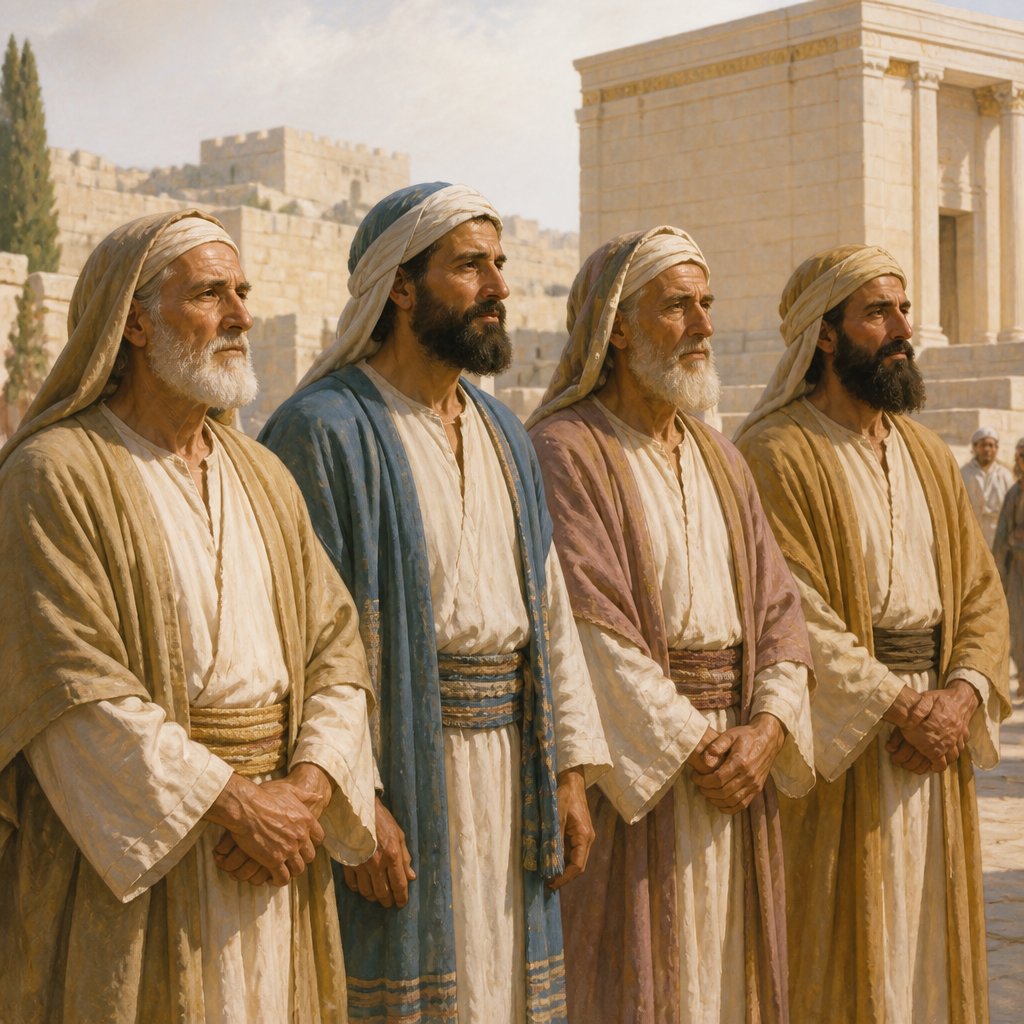
Nehemiah 12:17 in the King James Version reads, "Of Abijah, Zichri; of Miniamin, of Moadiah, Piltai." This verse is part of a longer passage that lists the Levites and priests who were responsible for leading the people in worship and maintaining the temple during the time of Nehemiah. To fully understand the significance of this verse, it is important to look at the larger context in which it appears and consider the historical and cultural background of the book of Nehemiah.
The book of Nehemiah is set in the 5th century BC, following the Babylonian exile of the Israelites. After decades of exile, a remnant of the Israelites were allowed to return to their homeland and rebuild the city of Jerusalem and the temple. Nehemiah, a Jewish exile who served as the cupbearer to the Persian king, was appointed as the governor of Jerusalem. One of his primary tasks was to oversee the rebuilding of the city walls and the restoration of the temple worship.
In Nehemiah 12, the focus is on the dedication of the city walls and the organization of the priestly and Levitical orders. The verse in question, Nehemiah 12:17, specifically lists the leaders of the priestly families who were responsible for leading the people in worship. These names may seem obscure to modern readers, but they would have held significant meaning to the original audience of the book.
The names mentioned in this verse have symbolic and historical significance within the context of the Israelite priesthood. For example, the name "Abijah" means "My father is Yahweh," which emphasizes the relationship between God and his people. The mention of these names serves as a reminder of the continuity and lineage of the priesthood, as well as the faithfulness of God to his covenant with the people of Israel.
Beyond the specific names mentioned, Nehemiah 12:17 also underscores the importance of leadership and organization within the religious community. The duty of the priests and Levites was to lead the people in worship, offer sacrifices, and maintain the holiness of the temple. By documenting the names of these leaders, the book of Nehemiah acknowledges the essential role they played in preserving the religious identity of the Israelite community.
Additionally, this verse highlights the theme of continuity and tradition within the religious practices of the Israelites. The mention of these names serves as a connection to the past and a reminder of the importance of honoring the established religious customs and rituals. This emphasis on tradition and the preservation of religious heritage is a recurring theme throughout the Old Testament, as the Israelites sought to maintain their identity as God's chosen people.
Symbolically, the listing of these names also serves to demonstrate the unity and diversity within the priesthood. Each name represents a distinct lineage and role within the religious hierarchy, yet they are all united in their common purpose of serving God and leading the people in worship. This unity within diversity is a powerful symbol of the broader theme of unity and collaboration within the community of believers.
In conclusion, Nehemiah 12:17 may seem like a straightforward list of names, but within the larger context of the book of Nehemiah and the broader biblical narrative, it holds deep significance. This verse serves to highlight the importance of leadership, tradition, and unity within the religious community, and it underscores the faithfulness of God to his covenant with the people of Israel. By examining the historical and cultural background of this verse, we can gain a deeper understanding of its significance and draw out valuable insights for our own faith and practice.
Get our apps


Artwork for Nehemiah 12:17

Nehemiah 12:17 - "Of Abijah, Zichri; of Miniamin, of Moadiah, Piltai;"
"Of Abijah, Zichri; of Miniamin, of Moadiah, Piltai;" - Nehemiah 12:17

Nehemiah 10:17 - "Ater, Hizkijah, Azzur,"

Nehemiah 12:26 - "These were in the days of Joiakim the son of Jeshua, the son of Jozadak, and in the days of Nehemiah the governor, and of Ezra the priest, the scribe."

Nehemiah 12:33 - "And Azariah, Ezra, and Meshullam,"

Nehemiah 12:5 - "Miamin, Maadiah, Bilgah,"

Nehemiah 12:2 - "Amariah, Malluch, Hattush,"

Nehemiah 12:4 - "Iddo, Ginnetho, Abijah,"

Nehemiah 12:3 - "Shechaniah, Rehum, Meremoth,"

Nehemiah 10:12 - "Zaccur, Sherebiah, Shebaniah,"

Nehemiah 12:6 - "Shemaiah, and Joiarib, Jedaiah,"

Nehemiah 12:12 - "And in the days of Joiakim were priests, the chief of the fathers: of Seraiah, Meraiah; of Jeremiah, Hananiah;"

Nehemiah 12:16 - "Of Iddo, Zechariah; of Ginnethon, Meshullam;"

Nehemiah 12:13 - "Of Ezra, Meshullam; of Amariah, Jehohanan;"

Nehemiah 12:20 - "Of Sallai, Kallai; of Amok, Eber;"

Nehemiah 12:19 - "And of Joiarib, Mattenai; of Jedaiah, Uzzi;"

Nehemiah 12:34 - "Judah, and Benjamin, and Shemaiah, and Jeremiah,"

Nehemiah 12:15 - "Of Harim, Adna; of Meraioth, Helkai;"

Nehemiah 12:18 - "Of Bilgah, Shammua; of Shemaiah, Jehonathan;"

Nehemiah 12:14 - "Of Melicu, Jonathan; of Shebaniah, Joseph;"

Nehemiah 12:21 - "Of Hilkiah, Hashabiah; of Jedaiah, Nethaneel."
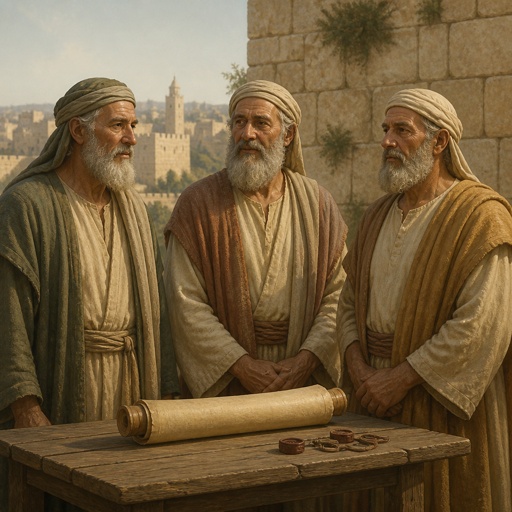
"Ater, Hizkijah, Azzur," - Nehemiah 10:17

Nehemiah 7:17 - "The children of Azgad, two thousand three hundred twenty and two."

Nehemiah 12:11 - "And Joiada begat Jonathan, and Jonathan begat Jaddua."

Nehemiah 7:12 - "The children of Elam, a thousand two hundred fifty and four."

Nehemiah 12:32 - "And after them went Hoshaiah, and half of the princes of Judah,"

"Miamin, Maadiah, Bilgah," - Nehemiah 12:5

"Shemaiah, and Joiarib, Jedaiah," - Nehemiah 12:6

"Zaccur, Sherebiah, Shebaniah," - Nehemiah 10:12

"Iddo, Ginnetho, Abijah," - Nehemiah 12:4