What does Nehemiah 12:22 mean?
“The Levites in the days of Eliashib, Joiada, and Johanan, and Jaddua, were recorded chief of the fathers: also the priests, to the reign of Darius the Persian.” — Nehemiah 12:22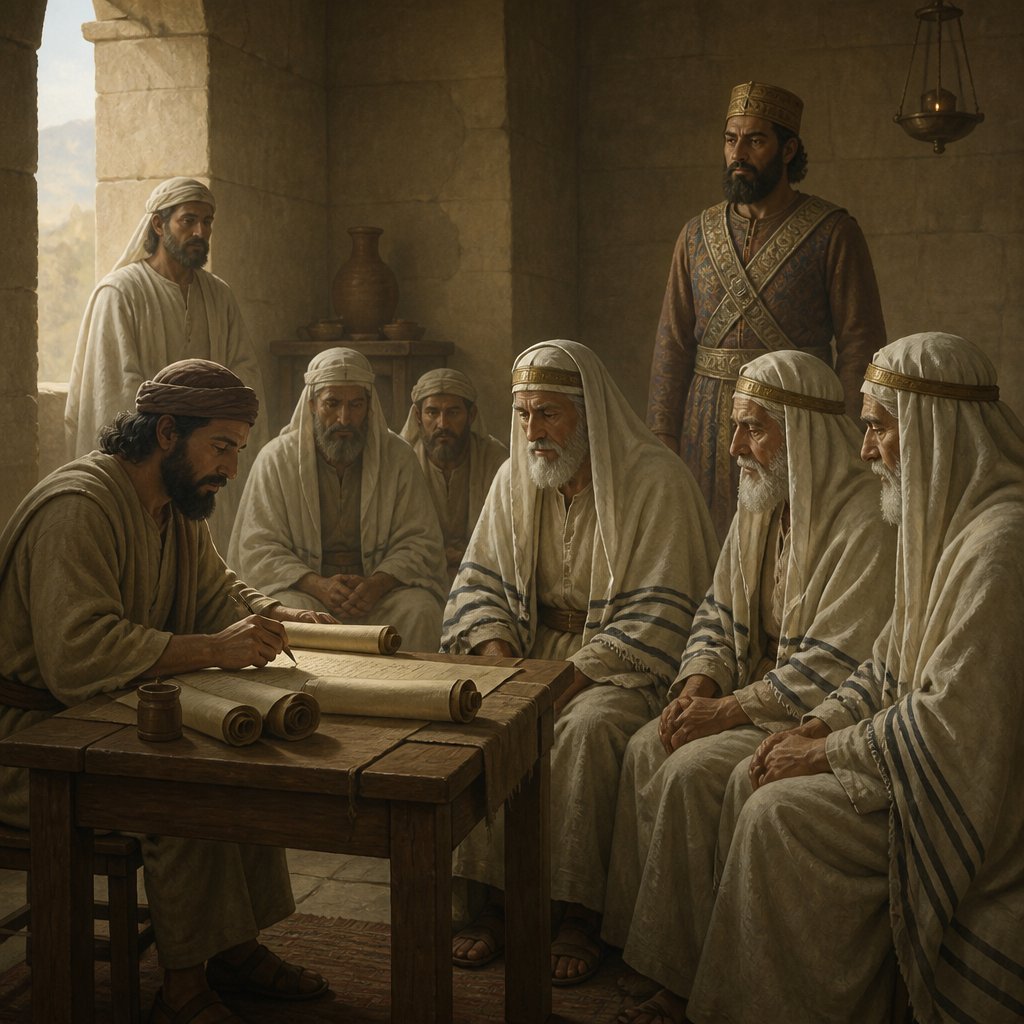
The verse Nehemiah 12:22 in the King James Version (KJV) of the Bible reads: "As for the Levites, the chief of the fathers were written in the book of the chronicles, even until the days of Johanan the son of Eliashib." This verse comes from the book of Nehemiah in the Old Testament, which details the story of the Israelites rebuilding the walls of Jerusalem and reestablishing their community after the Babylonian exile.
Contextually, this verse is part of a larger passage that lists the priests and Levites who returned to Jerusalem with Nehemiah and were responsible for leading the people in worship and religious practices. In the preceding verses, various priests and Levites are mentioned as playing key roles in the temple service and are credited with leading the people in thanksgiving and praise. The specific mention of Johanan, the son of Eliashib, suggests the continuing lineage and heritage of these leaders, ensuring the continuity of the priestly and Levitical traditions.
The mention of the "book of the chronicles" in this verse highlights the importance of recording and preserving the history and lineage of the Jewish people. It serves as a reminder of the faithfulness of God and the continuation of the priesthood throughout generations. This genealogical record was important for establishing the legitimacy and authority of the priests and Levites, as well as for maintaining the continuity of the religious traditions and practices.
One of the key themes present in this verse is the importance of legacy and heritage. The inclusion of the Levites' lineage in the "book of the chronicles" underscores the significance of preserving the history and traditions of the Israelite community. It serves as a testament to the faithfulness of God in maintaining the priesthood and the Levitical order, ensuring that the worship and service of the temple would continue according to the established customs and regulations.
Furthermore, the verse emphasizes the significance of leadership within the religious community. The mention of Johanan, the son of Eliashib, highlights the continuation of the priestly lineage and the passing down of responsibility from one generation to the next. This continuity of leadership is essential for maintaining the spiritual and religious foundation of the community, ensuring that the proper worship of God would be upheld.
Symbolically, the mention of the "book of the chronicles" represents the recording and preservation of history and tradition. It serves as a reminder of the covenantal relationship between God and His people, demonstrating His faithfulness in preserving the priesthood and the Levitical order. The inclusion of this lineage in the chronicles signifies the enduring legacy of the Israelite community and the continuation of their religious practices.
Overall, Nehemiah 12:22 highlights the importance of maintaining the heritage and leadership of the priesthood and the Levites within the Israelite community. It reinforces the significance of preserving the historical and religious traditions, ensuring the continuity of the worship and service of God. Through the recording of the Levites' lineage in the "book of the chronicles," this verse serves as a testimony to the faithfulness of God and the enduring legacy of the Israelite community.
Get our apps


Artwork for Nehemiah 12:22

Nehemiah 12:22 - "¶ The Levites in the days of Eliashib, Joiada, and Johanan, and Jaddua, were recorded chief of the fathers: also the priests, to the reign of Darius the Persian."
"¶ The Levites in the days of Eliashib, Joiada, and Johanan, and Jaddua, were recorded chief of the fathers: also the priests, to the reign of Darius the Persian." - Nehemiah 12:22

Nehemiah 10:22 - "Pelatiah, Hanan, Anaiah,"

Nehemiah 12:26 - "These were in the days of Joiakim the son of Jeshua, the son of Jozadak, and in the days of Nehemiah the governor, and of Ezra the priest, the scribe."

Nehemiah 7:22 - "The children of Hashum, three hundred twenty and eight."

Nehemiah 3:22 - "And after him repaired the priests, the men of the plain."

Nehemiah 12:33 - "And Azariah, Ezra, and Meshullam,"

Nehemiah 12:5 - "Miamin, Maadiah, Bilgah,"

Nehemiah 12:2 - "Amariah, Malluch, Hattush,"

Nehemiah 12:4 - "Iddo, Ginnetho, Abijah,"

Nehemiah 12:3 - "Shechaniah, Rehum, Meremoth,"

Nehemiah 10:12 - "Zaccur, Sherebiah, Shebaniah,"

Nehemiah 12:6 - "Shemaiah, and Joiarib, Jedaiah,"

Nehemiah 12:12 - "And in the days of Joiakim were priests, the chief of the fathers: of Seraiah, Meraiah; of Jeremiah, Hananiah;"

Nehemiah 12:16 - "Of Iddo, Zechariah; of Ginnethon, Meshullam;"

Nehemiah 12:13 - "Of Ezra, Meshullam; of Amariah, Jehohanan;"

Nehemiah 12:20 - "Of Sallai, Kallai; of Amok, Eber;"

"Pelatiah, Hanan, Anaiah," - Nehemiah 10:22

Nehemiah 12:19 - "And of Joiarib, Mattenai; of Jedaiah, Uzzi;"

Nehemiah 12:34 - "Judah, and Benjamin, and Shemaiah, and Jeremiah,"

Nehemiah 12:15 - "Of Harim, Adna; of Meraioth, Helkai;"

Nehemiah 12:18 - "Of Bilgah, Shammua; of Shemaiah, Jehonathan;"

Nehemiah 12:14 - "Of Melicu, Jonathan; of Shebaniah, Joseph;"

Nehemiah 12:21 - "Of Hilkiah, Hashabiah; of Jedaiah, Nethaneel."

Nehemiah 12:17 - "Of Abijah, Zichri; of Miniamin, of Moadiah, Piltai;"

Nehemiah 12:11 - "And Joiada begat Jonathan, and Jonathan begat Jaddua."

Nehemiah 7:12 - "The children of Elam, a thousand two hundred fifty and four."

Nehemiah 12:32 - "And after them went Hoshaiah, and half of the princes of Judah,"

"Miamin, Maadiah, Bilgah," - Nehemiah 12:5

"Shemaiah, and Joiarib, Jedaiah," - Nehemiah 12:6