What does Nehemiah 13:6 mean?
“But in all this time was not I at Jerusalem: for in the two and thirtieth year of Artaxerxes king of Babylon came I unto the king, and after certain days obtained I leave of the king:” — Nehemiah 13:6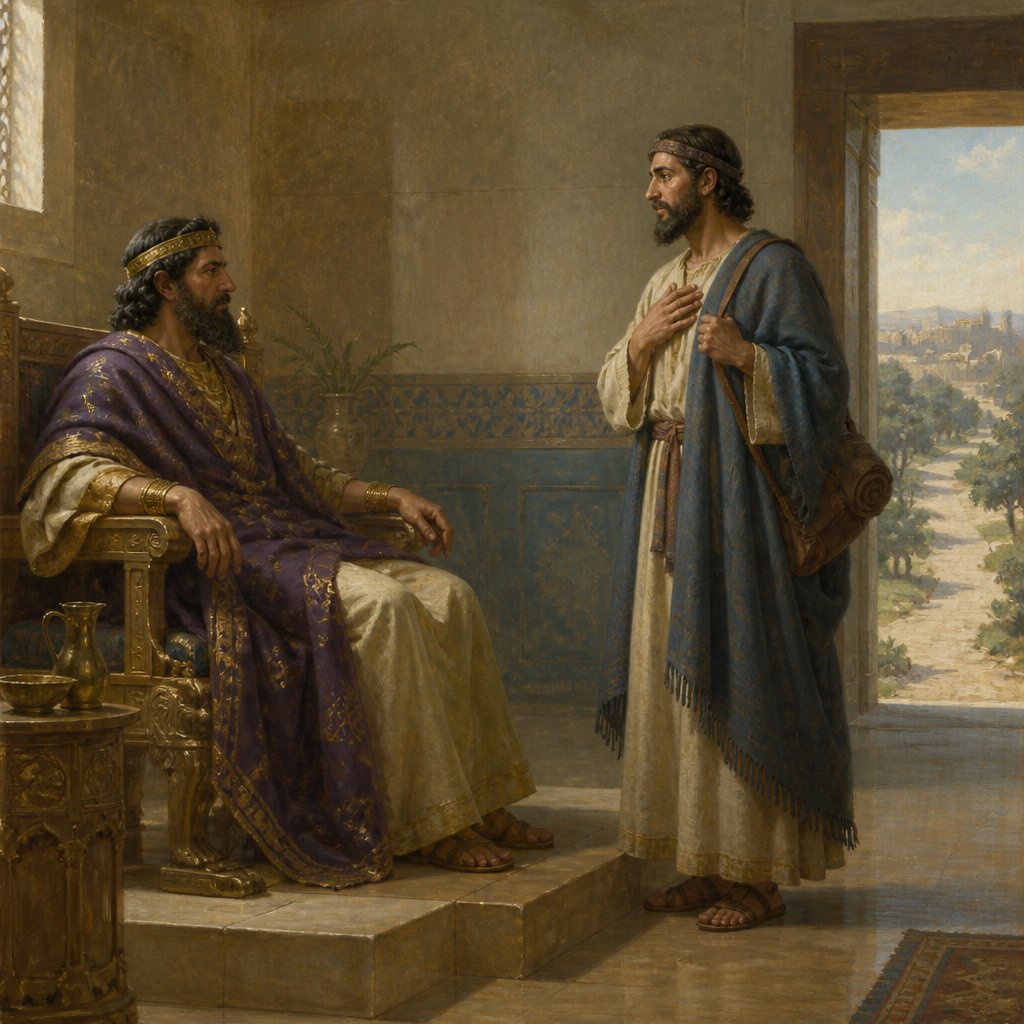
Nehemiah 13:6 in the King James Version of the Bible reads, "But in all this time was not I at Jerusalem: for in the two and thirtieth year of Artaxerxes king of Babylon came I unto the king, and after certain days obtained I leave of the king." At first glance, this verse may seem like a simple statement of Nehemiah's absence from Jerusalem during a specific period. However, upon further examination, this verse holds significant meaning within the context of the Book of Nehemiah and the broader themes of the Bible.
To fully understand the significance of Nehemiah 13:6, it is essential to provide some context from the earlier chapters of Nehemiah. The book of Nehemiah tells the story of the Israelites' return from exile in Babylon and their efforts to rebuild the walls of Jerusalem and to renew their commitment to God's law. Nehemiah, a cupbearer to the king of Persia, was appointed as governor of Judah and was instrumental in leading the people in the reconstruction of the city wall and the revival of their spiritual life.
In Nehemiah 13, we see Nehemiah returning to Jerusalem after an absence, only to find that the people had reverted to their old sinful ways. He discovers that Tobiah, an Ammonite who had previously opposed the rebuilding of the walls, had been given a room in the temple by Eliashib the priest. Additionally, the Levites and singers had not been receiving their portions, and the Sabbath was not being honored. Nehemiah's response to these revelations is one of righteous anger and action, as he takes immediate steps to correct the situation and restore the people's obedience to God's law.
In the midst of carrying out these reforms, Nehemiah makes the statement in verse 6, explaining that he had been absent from Jerusalem for a period of time. This declaration serves as a reminder that Nehemiah's absence did not mean that God had abandoned His people or His plans for them. Instead, it underscores Nehemiah's commitment to fulfilling his duties as a servant of God and a leader of the Israelites, even when he was physically distant from them.
On a deeper level, Nehemiah 13:6 can be seen as a reflection of the broader biblical theme of God's faithfulness and sovereignty. Throughout the Bible, we see examples of God working through individuals to accomplish His purposes, even when they are separated by time or distance. In the case of Nehemiah, his absence from Jerusalem did not prevent him from fulfilling the task that God had given him, nor did it thwart God's plan for the restoration of His people.
In addition to its thematic significance, Nehemiah 13:6 also carries symbolic meaning within the context of Nehemiah's story. Nehemiah's absence from Jerusalem can be seen as a representation of the spiritual distance that can exist between God and His people when they turn away from His commandments. Just as Nehemiah had to physically return to Jerusalem to address the people's straying from God, so too must individuals and communities make a deliberate effort to turn back to God when they have drifted away from His will.
In conclusion, Nehemiah 13:6 holds profound significance within the broader themes of the Bible and the specific context of the Book of Nehemiah. It serves as a reminder of God's faithfulness, the responsibility of leaders to uphold His laws, and the need for spiritual restoration when His people stray. This verse challenges us to consider our own commitment to God's commands and our willingness to take action to bring about renewal and obedience in our lives and communities.
Get our apps


Artwork for Nehemiah 13:6

Nehemiah 13:6 - "But in all this time was not I at Jerusalem: for in the two and thirtieth year of Artaxerxes king of Babylon came I unto the king, and after certain days obtained I leave of the king:"
"But in all this time was not I at Jerusalem: for in the two and thirtieth year of Artaxerxes king of Babylon came I unto the king, and after certain days obtained I leave of the king:" - Nehemiah 13:6

Nehemiah 6:13 - "Therefore was he hired, that I should be afraid, and do so, and sin, and that they might have matter for an evil report, that they might reproach me."

Nehemiah 11:13

Nehemiah 4:6

Nehemiah 4:6

Nehemiah 4:6

Nehemiah 6:9

Nehemiah 10:13 - "Hodijah, Bani, Beninu."

Nehemiah 12:13 - "Of Ezra, Meshullam; of Amariah, Jehohanan;"

Nehemiah 10:6 - "Daniel, Ginnethon, Baruch,"

Nehemiah 12:6 - "Shemaiah, and Joiarib, Jedaiah,"

Nehemiah 7:13 - "The children of Zattu, eight hundred forty and five."

"Hodijah, Bani, Beninu." - Nehemiah 10:13

"Shemaiah, and Joiarib, Jedaiah," - Nehemiah 12:6

"Daniel, Ginnethon, Baruch," - Nehemiah 10:6

"Of Ezra, Meshullam; of Amariah, Jehohanan;" - Nehemiah 12:13
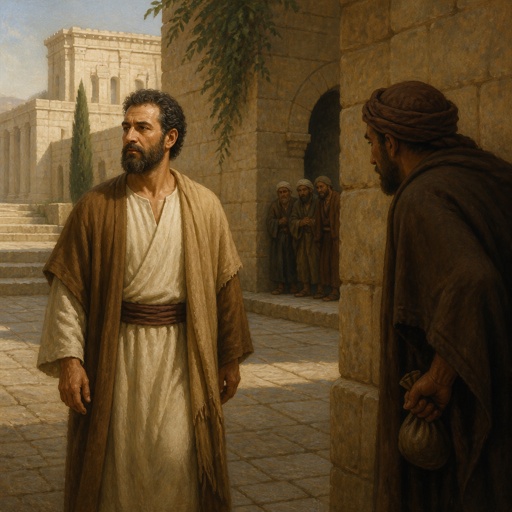
"Therefore was he hired, that I should be afraid, and do so, and sin, and that they might have matter for an evil report, that they might reproach me." - Nehemiah 6:13

Nehemiah 5:6 - "¶ And I was very angry when I heard their cry and these words."

Nehemiah 6:15 – "So the wall was completed on the twenty-fifth of Elul, in fifty-two days."
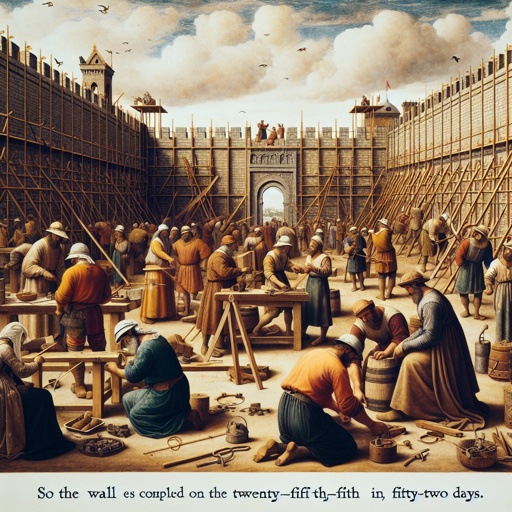
Nehemiah 6:15 – "So the wall was completed on the twenty-fifth of Elul, in fifty-two days."

Nehemiah 13:12 - "Then brought all Judah the tithe of the corn and the new wine and the oil unto the treasuries."

Nehemiah 13:31 - "And for the wood offering, at times appointed, and for the firstfruits. Remember me, O my God, for good."

Nehemiah 13:20 - "So the merchants and sellers of all kind of ware lodged without Jerusalem once or twice."

Nehemiah 13:4 - "¶ And before this, Eliashib the priest, having the oversight of the chamber of the house of our God, was allied unto Tobiah:"

Nehemiah 13:23 - "¶ In those days also saw I Jews that had married wives of Ashdod, of Ammon, and of Moab:"

Nehemiah 13:29 - "Remember them, O my God, because they have defiled the priesthood, and the covenant of the priesthood, and of the Levites."

Nehemiah 13:24 - "And their children spake half in the speech of Ashdod, and could not speak in the Jews' language, but according to the language of each people."

Nehemiah 13:8 - "And it grieved me sore: therefore I cast forth all the household stuff of Tobiah out of the chamber."

Nehemiah 13:3 - "Now it came to pass, when they had heard the law, that they separated from Israel all the mixed multitude."