What does Nehemiah 2:2 mean?
“Wherefore the king said unto me, Why is thy countenance sad, seeing thou art not sick? this is nothing else but sorrow of heart. Then I was very sore afraid,” — Nehemiah 2:2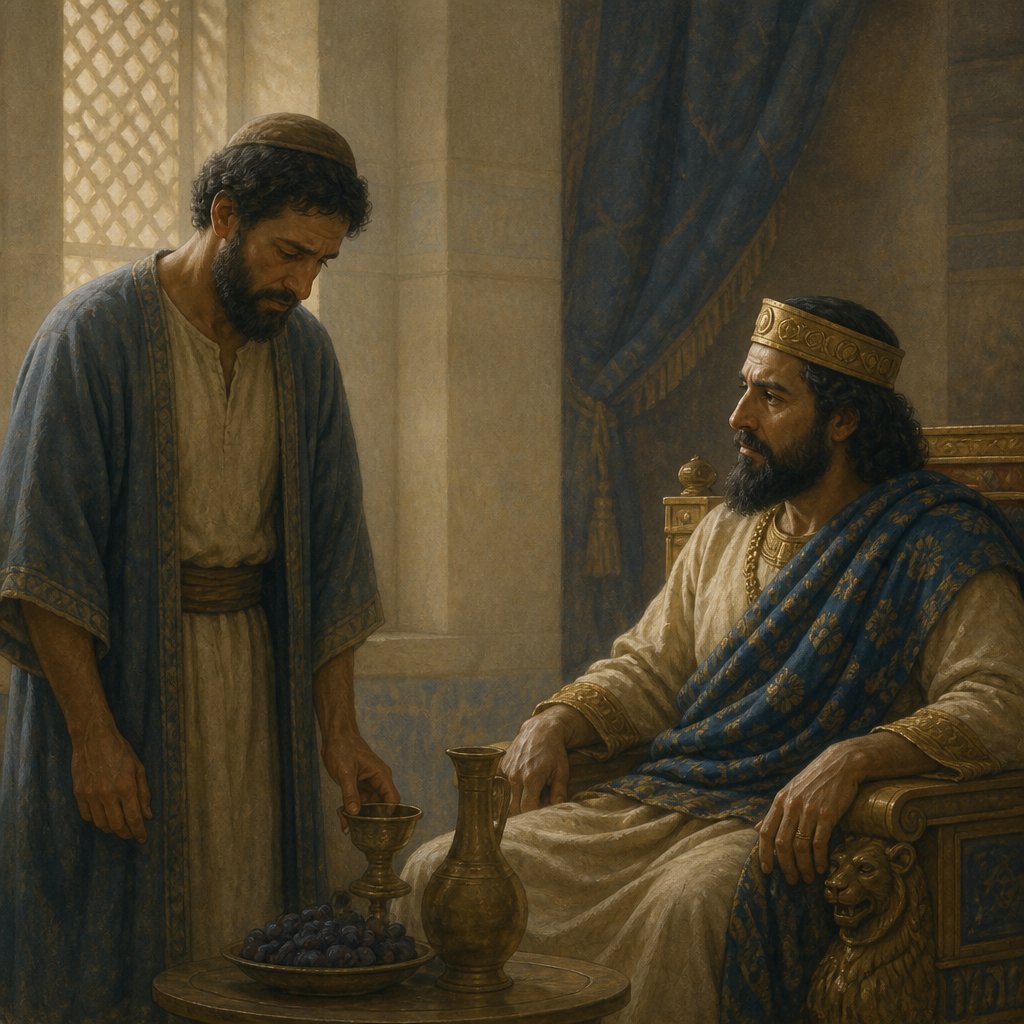
The Bible verse Nehemiah 2:2 (KJV) reads, "Wherefore the king said unto me, Why is thy countenance sad, seeing thou art not sick? This is nothing else but sorrow of heart. Then I was very sore afraid."
This verse comes from the Book of Nehemiah in the Old Testament, which tells the story of Nehemiah, a Jewish man serving as the cupbearer to the Persian king Artaxerxes. The book of Nehemiah is set in the 5th century BC, after the Babylonian exile, when the Israelites were allowed to return to Jerusalem and rebuild the city and the temple.
In this verse, Nehemiah is faced with an opportunity to speak to the king about his sadness regarding the state of Jerusalem. The king notices Nehemiah's countenance and inquires about the reason for his sadness, noting that he is not sick, so the only explanation for his sorrow must be a heavy heart. Nehemiah admits that he is indeed troubled by the devastated state of his homeland, and he becomes very afraid.
This verse is significant in the larger context of the book of Nehemiah because it marks the beginning of Nehemiah's mission to rebuild the walls of Jerusalem. As we delve deeper into the text, we see that Nehemiah ultimately receives the king's permission and support to return to Jerusalem and lead the reconstruction efforts. Through Nehemiah's courage and God's guiding hand, the walls and gates of Jerusalem are successfully rebuilt, and the city is restored to its former glory.
From a thematic perspective, Nehemiah 2:2 holds several important lessons for believers. It speaks to the power of courage and conviction in the face of adversity, as Nehemiah boldly approaches the king with his concerns. His willingness to speak up for his people and his homeland serves as a powerful example of leadership and advocacy.
Furthermore, Nehemiah's apprehension in the presence of the king highlights the reality of fear and vulnerability in the pursuit of God's will. Despite his fear, Nehemiah finds the strength to articulate his concerns, demonstrating the importance of trusting in God's sovereignty and provision.
Symbolically, the king's recognition of Nehemiah's inner turmoil serves as a reminder of God's attentiveness to the heart of His people. Just as the king perceives Nehemiah's sorrow, so too does God acknowledge and understand the struggles and burdens that weigh heavy on our hearts. This verse encourages believers to bring their concerns before God with honesty and openness, knowing that He sees and understands our innermost thoughts and emotions.
In conclusion, Nehemiah 2:2 captures a pivotal moment in the narrative of Nehemiah and offers valuable insights into themes of courage, fear, and God's providential care. It serves as a poignant reminder of the importance of bold faith and the reassurance of God's presence in the midst of our fears and concerns. As believers, we can draw strength from Nehemiah's example and trust in the faithfulness of our sovereign God.
Get our apps


Artwork for Nehemiah 2:2

Nehemiah 2:2 - "Wherefore the king said unto me, Why is thy countenance sad, seeing thou art not sick? this is nothing else but sorrow of heart. Then I was very sore afraid,"
"Wherefore the king said unto me, Why is thy countenance sad, seeing thou art not sick? this is nothing else but sorrow of heart. Then I was very sore afraid," - Nehemiah 2:2

Nehemiah 12:2 - "Amariah, Malluch, Hattush,"

Nehemiah 10:2 - "Seraiah, Azariah, Jeremiah,"

Nehemiah 2:11 - "So I came to Jerusalem, and was there three days."

Ezra 2:2 - "Which came with Zerubbabel: Jeshua, Nehemiah, Seraiah, Reelaiah, Mordecai, Bilshan, Mispar, Bigvai, Rehum, Baanah. The number of the men of the people of Israel:"
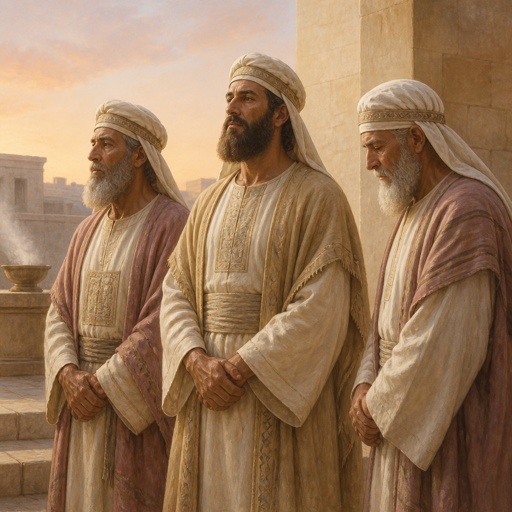
"Amariah, Malluch, Hattush," - Nehemiah 12:2
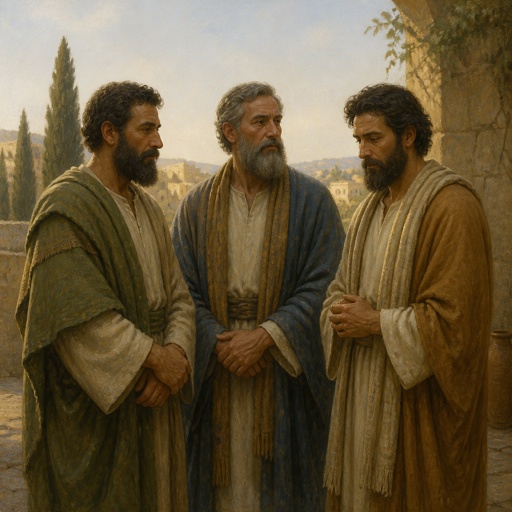
"Seraiah, Azariah, Jeremiah," - Nehemiah 10:2

Nehemiah 11:2 - "And the people blessed all the men, that willingly offered themselves to dwell at Jerusalem."

Nehemiah 2:14 - "Then I went on to the gate of the fountain, and to the king's pool: but there was no place for the beast that was under me to pass."

Nehemiah 3:2 - "And next unto him builded the men of Jericho. And next to them builded Zaccur the son of Imri."

Nehemiah 9:2 - "And the seed of Israel separated themselves from all strangers, and stood and confessed their sins, and the iniquities of their fathers."

Nehemiah 2:15 - "Then went I up in the night by the brook, and viewed the wall, and turned back, and entered by the gate of the valley, and so returned."

Nehemiah 2:4 - "Then the king said unto me, For what dost thou make request? So I prayed to the God of heaven."

"So I came to Jerusalem, and was there three days." - Nehemiah 2:11

Nehemiah 2:10 - "When Sanballat the Horonite, and Tobiah the servant, the Ammonite, heard of it, it grieved them exceedingly that there was come a man to seek the welfare of the children of Israel."

Nehemiah 2:9 - "¶ Then I came to the governors beyond the river, and gave them the king's letters. Now the king had sent captains of the army and horsemen with me."

Nehemiah 5:2 - "For there were that said, We, our sons, and our daughters, are many: therefore we take up corn for them, that we may eat, and live."

Nehemiah 7:2 - "That I gave my brother Hanani, and Hananiah the ruler of the palace, charge over Jerusalem: for he was a faithful man, and feared God above many."

Nehemiah 8:2 - "And Ezra the priest brought the law before the congregation both of men and women, and all that could hear with understanding, upon the first day of the seventh month."

Nehemiah 6:2 - "That Sanballat and Geshem sent unto me, saying, Come, let us meet together in some one of the villages in the plain of Ono. But they thought to do me mischief."

Nehemiah 13:2 - "Because they met not the children of Israel with bread and with water, but hired Balaam against them, that he should curse them: howbeit our God turned the curse into a blessing."

"And the people blessed all the men, that willingly offered themselves to dwell at Jerusalem." - Nehemiah 11:2

Nehemiah 2:4 (KJVA) 4 Then the king said unto me, For what dost thou make request? So I prayed to the God of heaven.

Nehemiah 1:2 - "That Hanani, one of my brethren, came, he and certain men of Judah; and I asked them concerning the Jews that had escaped, which were left of the captivity, and concerning Jerusalem."

Nehemiah 2:7 - "Moreover I said unto the king, If it please the king, let letters be given me to the governors beyond the river, that they may convey me over till I come into Judah;"
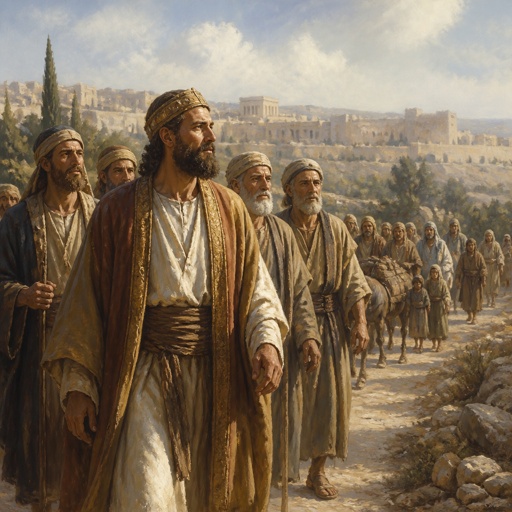
"Which came with Zerubbabel: Jeshua, Nehemiah, Seraiah, Reelaiah, Mordecai, Bilshan, Mispar, Bigvai, Rehum, Baanah. The number of the men of the people of Israel:" - Ezra 2:2

Nehemiah 2:19 - "But when Sanballat the Horonite, and Tobiah the servant, the Ammonite, and Geshem the Arabian, heard it, they laughed us to scorn, and despised us, and said, What is this thing that ye do? will ye rebel against the king?"

Nehemiah 2:13 - "And I went out by night by the gate of the valley, even before the dragon well, and to the dung port, and viewed the walls of Jerusalem, which were broken down, and the gates thereof were consumed with fire."
Nehemiah 2:16 - "And the rulers knew not whither I went, or what I did; neither had I as yet told it to the Jews, nor to the priests, nor to the nobles, nor to the rulers, nor to the rest that did the work."