What does Nehemiah 5:12 mean?
“Then said they, We will restore them, and will require nothing of them; so will we do as thou sayest. Then I called the priests, and took an oath of them, that they should do according to this promise.” — Nehemiah 5:12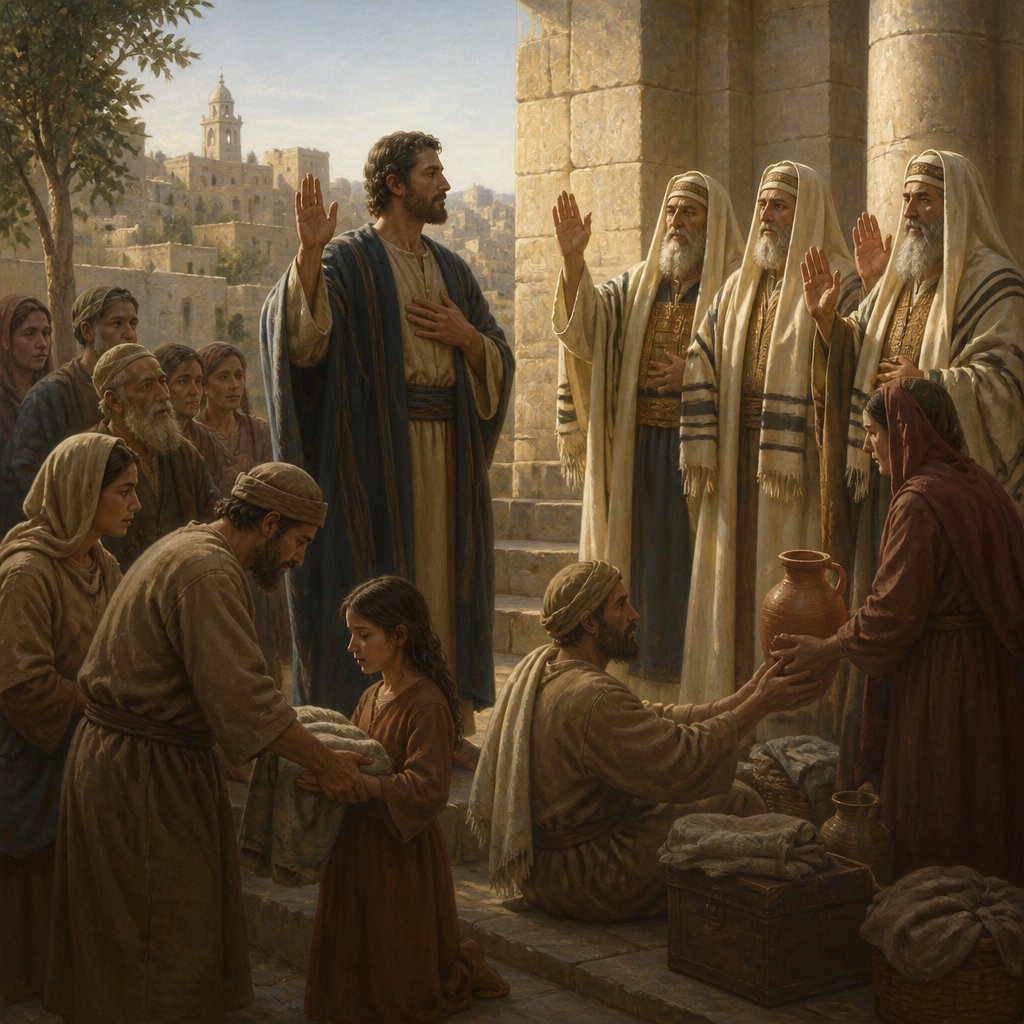
"Nehemiah 5:12 (KJV) says, 'Then said they, We will restore them, and will require nothing of them; so will we do as thou sayest. Then I called the priests, and took an oath of them, that they should do according to this promise.'"
The book of Nehemiah is a historical narrative that details the efforts of Nehemiah to rebuild the walls of Jerusalem and restore the city after it had been destroyed by the Babylonians. In Nehemiah 5, the focus is on the internal conflicts and injustices that the Israelites were facing. This verse comes in the midst of a discussion about the exploitation of the poor and the financial burdens that were causing divisions among the people.
The theme of restoration is central to this verse. The Israelites were committing to restore what had been taken from the poor and to do so without requiring anything from them in return. This is a powerful statement about justice and compassion. It speaks to the idea of righting wrongs and seeking to make amends for the harm that has been done. It also reflects the biblical principle of compassion and mercy, as the people were willing to give back what they had taken and to do so without expecting anything in return.
The context of this verse is important for understanding its significance. The people of Israel were experiencing internal strife and division due to economic hardships. The wealthy were exploiting the poor, charging them interest on loans and even taking their land and children as collateral. This led to deep resentment and anger among the people. Nehemiah, as a leader, was seeking to address these injustices and bring about reconciliation and restoration. The people's willingness to make a promise to restore what had been taken from the poor was a crucial step in this process.
The symbolism of this verse can be seen in the act of restoration itself. It represents the idea of making things right and seeking reconciliation. The people's willingness to take an oath, in the presence of the priests, demonstrates the solemnity and seriousness of their commitment. This symbolizes not only their desire to restore what had been taken from the poor, but also their recognition of the need for divine intervention and guidance in fulfilling their promise.
From a broader theological perspective, this verse reflects the biblical emphasis on justice, mercy, and compassion. It embodies the principles of caring for the vulnerable and seeking to address social and economic injustices. It also highlights the importance of repentance and making amends for wrongdoing. In this way, the verse can be seen as a reflection of God's desire for His people to live in harmony, justice, and righteousness.
In summary, Nehemiah 5:12 (KJV) is a powerful and significant verse that speaks to the themes of restoration, justice, and compassion. It is situated within the context of internal conflict and economic exploitation, and it symbolizes the people's commitment to make amends and seek reconciliation. From a theological perspective, it reflects the biblical principles of caring for the vulnerable, seeking justice, and demonstrating compassion. Overall, this verse serves as a reminder of the importance of addressing social injustices and seeking restoration and reconciliation in our communities.
Get our apps


Artwork for Nehemiah 5:12

Nehemiah 5:12 - "Then said they, We will restore them, and will require nothing of them; so will we do as thou sayest. Then I called the priests, and took an oath of them, that they should do according to this promise."
"Then said they, We will restore them, and will require nothing of them; so will we do as thou sayest. Then I called the priests, and took an oath of them, that they should do according to this promise." - Nehemiah 5:12

Nehemiah 12:5 - "Miamin, Maadiah, Bilgah,"

"Miamin, Maadiah, Bilgah," - Nehemiah 12:5

Nehemiah 12:26 - "These were in the days of Joiakim the son of Jeshua, the son of Jozadak, and in the days of Nehemiah the governor, and of Ezra the priest, the scribe."

Nehemiah 12:33 - "And Azariah, Ezra, and Meshullam,"

Nehemiah 12:4 - "Iddo, Ginnetho, Abijah,"

Nehemiah 12:2 - "Amariah, Malluch, Hattush,"

Nehemiah 12:3 - "Shechaniah, Rehum, Meremoth,"

Nehemiah 10:12 - "Zaccur, Sherebiah, Shebaniah,"

Nehemiah 12:6 - "Shemaiah, and Joiarib, Jedaiah,"

Nehemiah 12:12 - "And in the days of Joiakim were priests, the chief of the fathers: of Seraiah, Meraiah; of Jeremiah, Hananiah;"

Nehemiah 12:13 - "Of Ezra, Meshullam; of Amariah, Jehohanan;"

Nehemiah 12:16 - "Of Iddo, Zechariah; of Ginnethon, Meshullam;"

Nehemiah 12:20 - "Of Sallai, Kallai; of Amok, Eber;"

Nehemiah 10:5 - "Harim, Meremoth, Obadiah,"

Nehemiah 12:19 - "And of Joiarib, Mattenai; of Jedaiah, Uzzi;"

Nehemiah 12:34 - "Judah, and Benjamin, and Shemaiah, and Jeremiah,"

Nehemiah 12:15 - "Of Harim, Adna; of Meraioth, Helkai;"

Nehemiah 12:18 - "Of Bilgah, Shammua; of Shemaiah, Jehonathan;"

Nehemiah 12:21 - "Of Hilkiah, Hashabiah; of Jedaiah, Nethaneel."

Nehemiah 12:14 - "Of Melicu, Jonathan; of Shebaniah, Joseph;"

Nehemiah 12:17 - "Of Abijah, Zichri; of Miniamin, of Moadiah, Piltai;"

Nehemiah 12:11 - "And Joiada begat Jonathan, and Jonathan begat Jaddua."

Nehemiah 7:12 - "The children of Elam, a thousand two hundred fifty and four."

Nehemiah 12:32 - "And after them went Hoshaiah, and half of the princes of Judah,"

"Shemaiah, and Joiarib, Jedaiah," - Nehemiah 12:6

"Iddo, Ginnetho, Abijah," - Nehemiah 12:4

"Zaccur, Sherebiah, Shebaniah," - Nehemiah 10:12

"Shechaniah, Rehum, Meremoth," - Nehemiah 12:3