What does Nehemiah 6:2 mean?
“That Sanballat and Geshem sent unto me, saying, Come, let us meet together in some one of the villages in the plain of Ono. But they thought to do me mischief.” — Nehemiah 6:2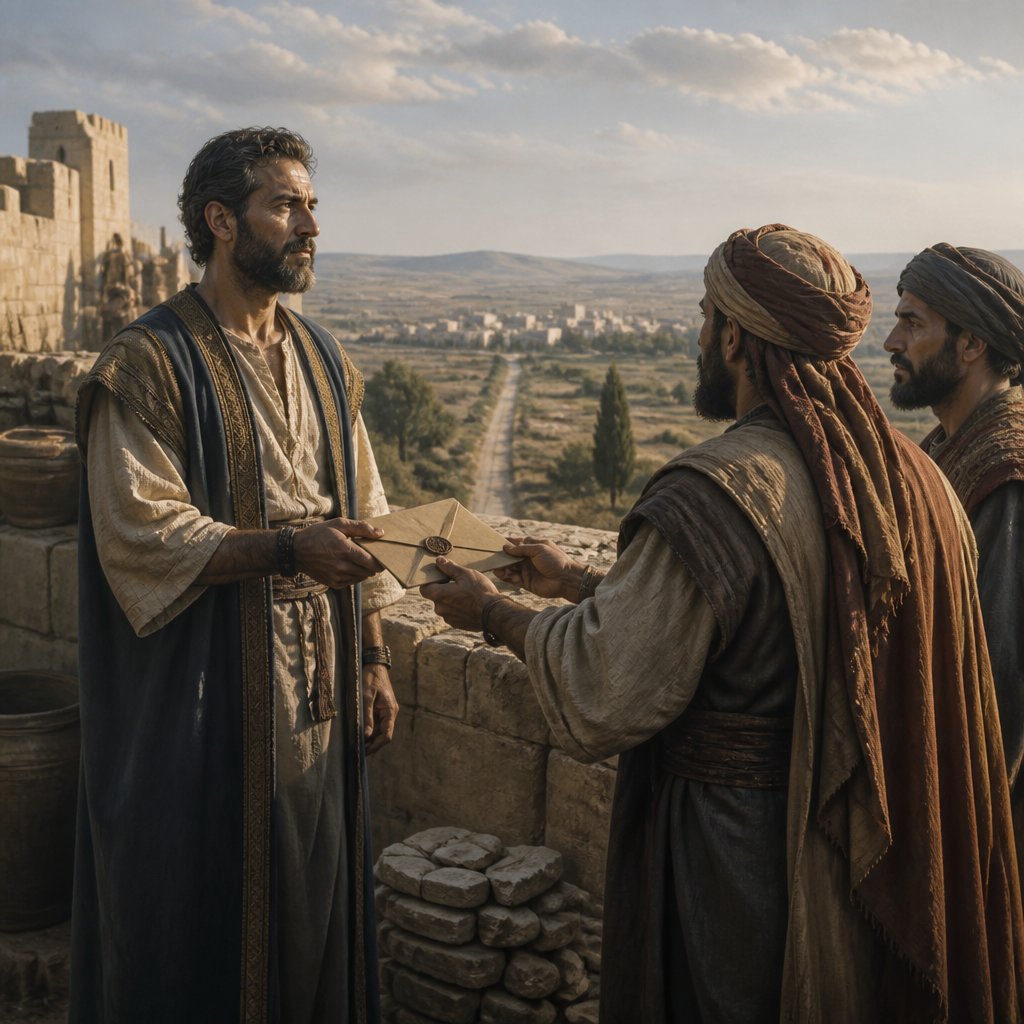
The Bible verse Nehemiah 6:2 from the King James Version (KJV) states, "That Sanballat and Geshem sent unto me, saying, Come, let us meet together in some one of the villages in the plain of Ono. But they thought to do me mischief."
This verse comes from the book of Nehemiah, which is a historical account of the efforts of Nehemiah to rebuild the walls of Jerusalem after the Babylonian exile. The verse is part of a larger narrative in which Nehemiah faces opposition from various individuals who seek to hinder the reconstruction efforts.
The context of Nehemiah 6:2 is essential for understanding its significance. Throughout the book, Sanballat and Geshem are identified as adversaries of Nehemiah who continually seek to disrupt his work. They represent the external opposition that Nehemiah faces as he seeks to rebuild the walls of Jerusalem. By proposing a meeting in the villages in the plain of Ono, they are attempting to distract Nehemiah from his task and potentially harm him.
The verse can be interpreted as a demonstration of the challenges and obstacles that individuals may encounter when pursuing a righteous and noble cause. It serves as a reminder that adversity and opposition are to be expected when one is dedicated to fulfilling a divine purpose. In the case of Nehemiah, his determination to restore the walls of Jerusalem was met with resistance and deceit.
The theme of perseverance in the face of opposition and adversity is a significant underlying message in Nehemiah 6:2. It serves as a testament to the resilience and unwavering commitment of Nehemiah to carry out his mission despite the attempts to thwart his efforts. This theme resonates with readers as it encourages them to remain steadfast in their faith and resolve, even when confronted with challenges and opposition.
Additionally, the verse carries symbolism in its depiction of the characters of Sanballat and Geshem. They can be seen as symbolic representations of the forces of evil and opposition that exist in the world. Their actions and intentions reflect the devious nature of those who seek to undermine God's work and hinder the progress of His people. This symbolism serves as a warning to believers to be vigilant and discerning in the face of cunning and deceitful adversaries.
Nehemiah 6:2 also emphasizes the importance of discernment and wisdom when dealing with opposition. Nehemiah recognized the ulterior motives behind the proposal made by Sanballat and Geshem and wisely chose not to succumb to their deception. This serves as a lesson for believers to rely on discernment and seek guidance from God when confronted with adversarial forces.
In conclusion, Nehemiah 6:2 offers a profound message of perseverance, resilience, and discernment in the face of opposition. It serves as a source of inspiration and encouragement for believers to remain steadfast in their faith and commitment to God's purposes, despite the challenges and obstacles they may encounter. The significance of this verse extends beyond its historical context, resonating with readers as a timeless and relevant reminder of the faithfulness and strength found in God.
Get our apps


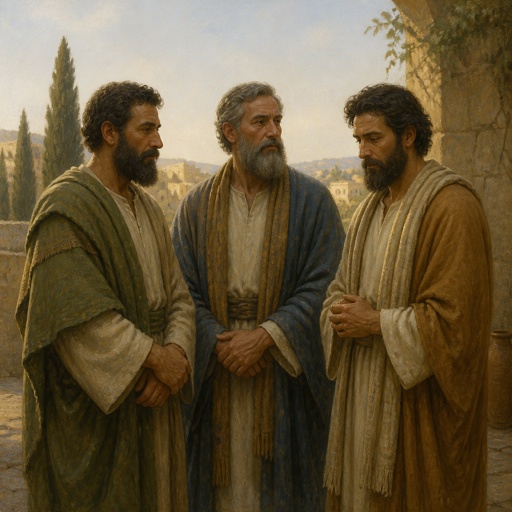
Artwork for Nehemiah 6:2

Nehemiah 6:2 - "That Sanballat and Geshem sent unto me, saying, Come, let us meet together in some one of the villages in the plain of Ono. But they thought to do me mischief."
"That Sanballat and Geshem sent unto me, saying, Come, let us meet together in some one of the villages in the plain of Ono. But they thought to do me mischief." - Nehemiah 6:2

Nehemiah 4:6

Nehemiah 4:6

Nehemiah 4:6

Nehemiah 6:9

Nehemiah 10:6 - "Daniel, Ginnethon, Baruch,"

Nehemiah 12:6 - "Shemaiah, and Joiarib, Jedaiah,"

Nehemiah 2:6 - "And the king said unto me, (the queen also sitting by him,) For how long shall thy journey be? and when wilt thou return? So it pleased the king to send me; and I set him a time."

"Shemaiah, and Joiarib, Jedaiah," - Nehemiah 12:6

"Daniel, Ginnethon, Baruch," - Nehemiah 10:6

Nehemiah 5:6 - "¶ And I was very angry when I heard their cry and these words."

Nehemiah 6:15 – "So the wall was completed on the twenty-fifth of Elul, in fifty-two days."
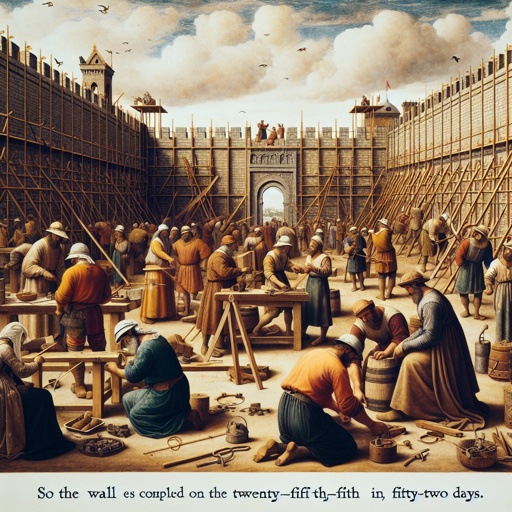
Nehemiah 6:15 – "So the wall was completed on the twenty-fifth of Elul, in fifty-two days."

Nehemiah 12:2 - "Amariah, Malluch, Hattush,"

Nehemiah 10:2 - "Seraiah, Azariah, Jeremiah,"

Nehemiah 6:15 - "¶ So the wall was finished in the twenty and fifth day of the month Elul, in fifty and two days."

Nehemiah 11:6 - "All the sons of Perez that dwelt at Jerusalem were four hundred threescore and eight valiant men."

Nehemiah 6:6 - "Wherein was written, It is reported among the heathen, and Gashmu saith it, that thou and the Jews think to rebel: for which cause thou buildest the wall, that thou mayest be their king, according to these words."

Nehemiah 6:4 - "Yet they sent unto me four times after this sort; and I answered them after the same manner."

Nehemiah 6:5 - "Then sent Sanballat his servant unto me in like manner the fifth time with an open letter in his hand;"

Nehemiah 2:11 - "So I came to Jerusalem, and was there three days."

Nehemiah 6:17 - "¶ Moreover in those days the nobles of Judah sent many letters unto Tobiah, and the letters of Tobiah came unto them."

Nehemiah 4:6 - "So built we the wall; and all the wall was joined together unto the half thereof: for the people had a mind to work."

Nehemiah 6:8 - "Then I sent unto him, saying, There are no such things done as thou sayest, but thou feignest them out of thine own heart."
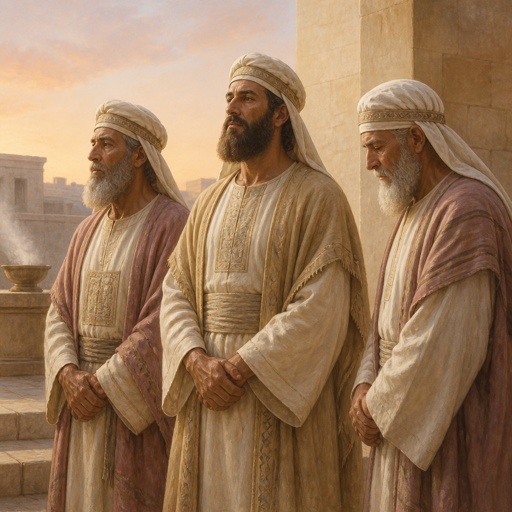
"Amariah, Malluch, Hattush," - Nehemiah 12:2
"Seraiah, Azariah, Jeremiah," - Nehemiah 10:2

Nehemiah 6:12 - "And, lo, I perceived that God had not sent him; but that he pronounced this prophecy against me: for Tobiah and Sanballat had hired him."

Nehemiah 6:19 - "Also they reported his good deeds before me, and uttered my words to him. And Tobiah sent letters to put me in fear."

Nehemiah 6:13 - "Therefore was he hired, that I should be afraid, and do so, and sin, and that they might have matter for an evil report, that they might reproach me."