What does Nehemiah 7:20 mean?
“The children of Adin, six hundred fifty and five.” — Nehemiah 7:20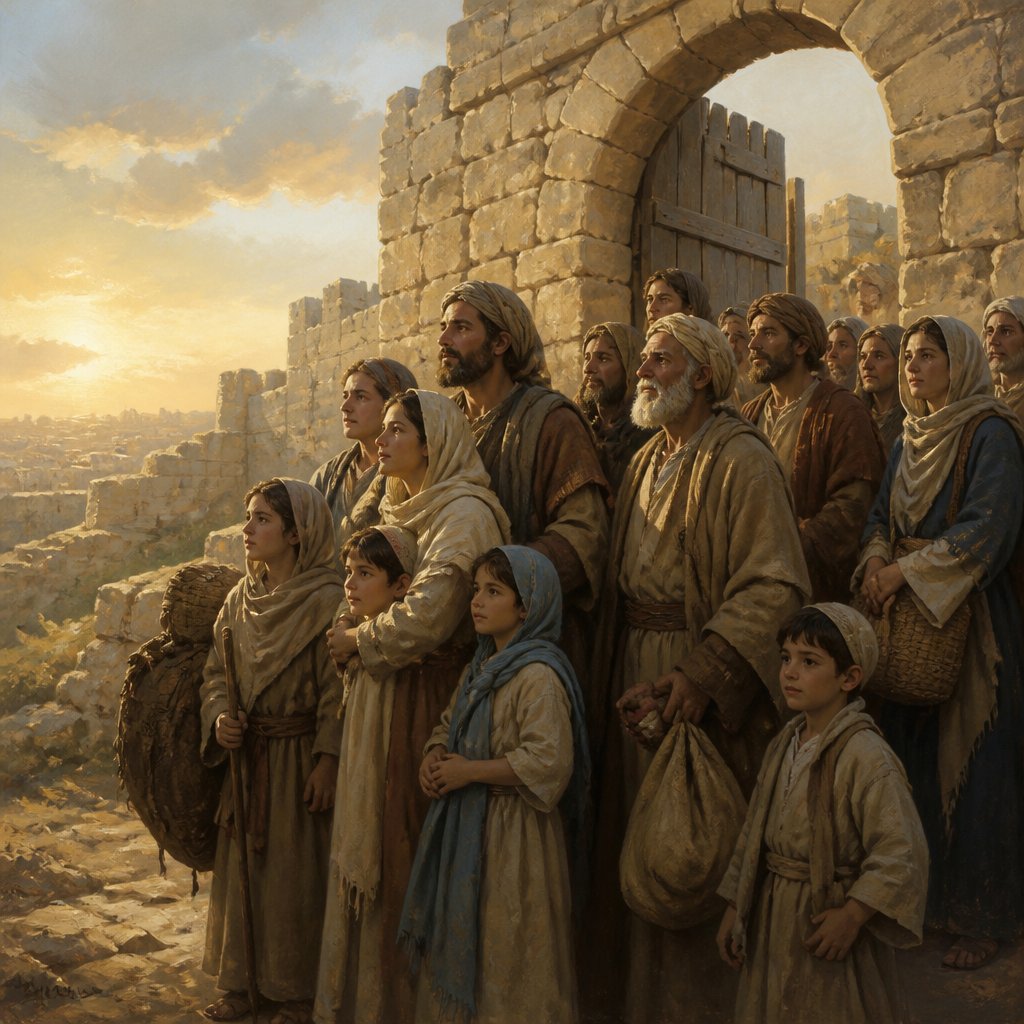
Nehemiah 7:20 (KJV) - The children of Adin, six hundred fifty and five.
The book of Nehemiah is set in the historical context of the Israelites rebuilding the walls of Jerusalem after their return from the Babylonian exile. The verse in question is part of a list of the heads of families who returned to Jerusalem with Zerubbabel and Jeshua, and it details the number of people from the specific family of Adin.
When interpreting this verse, it is important to consider the broader themes of the book of Nehemiah as well as the historical and cultural context in which it was written. The main themes of the book include leadership, faithfulness, and the restoration of God's people. It emphasizes the importance of obedience to God's commands and the significance of rebuilding a community that is centered on faith and worship.
The specific mention of the children of Adin and the number "six hundred fifty and five" may seem insignificant at first glance, but within the context of the book of Nehemiah, it serves as a reminder of the faithfulness and commitment of God's people. The detailed record of the families who returned to Jerusalem highlights the meticulous nature of God's work and the importance of each individual within the community. It signifies the significance of every member of the community and their role in the restoration of Jerusalem.
In a broader theological sense, this verse can also be seen as a reminder of the faithfulness and sovereignty of God. The specific number "six hundred fifty and five" may symbolize the completeness and abundance of God's provision. It reinforces the idea that God is in control and that His plans are detailed and precise. Additionally, the mention of the children of Adin represents the collective identity and legacy of the Israelite community, and their return to Jerusalem signifies the fulfillment of God's promises.
Furthermore, the verse can be seen as a reflection of the importance of maintaining a record of God's people and their lineage. Throughout the Bible, genealogies and lists of families are given significant importance, highlighting the continuity and legacy of God's people. The emphasis on the children of Adin and their specific number serves as a testament to the preservation of the Israelite identity and the continuation of God's covenant with His people.
From a symbolic perspective, the number "six hundred fifty and five" has significance in biblical numerology. In the Bible, the number six often represents imperfection or incompleteness, while the number five symbolizes God's grace and goodness. Therefore, the combination of these numbers may signify the imperfection of humanity being redeemed and blessed by God's grace and mercy.
In conclusion, Nehemiah 7:20 may seem like a simple record of numbers and names, but within the broader context of the book of Nehemiah and the theological framework of the Bible, it carries significant meaning. It serves as a reminder of God's faithfulness, the importance of every individual within the community, and the sovereignty of God's plans. It also underscores the preservation of God's people and the fulfillment of His promises. This verse ultimately reinforces the central themes of restoration, faithfulness, and the unwavering presence of God in the lives of His people.
Get our apps


Artwork for Nehemiah 7:20

Nehemiah 7:20 - "The children of Adin, six hundred fifty and five."
"The children of Adin, six hundred fifty and five." - Nehemiah 7:20

Nehemiah 10:20 - "Magpiash, Meshullam, Hezir,"

Nehemiah 12:20 - "Of Sallai, Kallai; of Amok, Eber;"

Nehemiah 7:7 - "Who came with Zerubbabel, Jeshua, Nehemiah, Azariah, Raamiah, Nahamani, Mordecai, Bilshan, Mispereth, Bigvai, Nehum, Baanah. The number, I say, of the men of the people of Israel was this;"

Nehemiah 10:7 - "Meshullam, Abijah, Mijamin,"

"Magpiash, Meshullam, Hezir," - Nehemiah 10:20

Nehemiah 7:42 - "The children of Harim, a thousand and seventeen."

Nehemiah 7:24 - "The children of Hariph, an hundred and twelve."

Nehemiah 7:56 - "The children of Neziah, the children of Hatipha."

Nehemiah 7:25 - "The children of Gibeon, ninety and five."

Nehemiah 7:40 - "The children of Immer, a thousand fifty and two."

Nehemiah 7:31 - "The men of Michmas, an hundred and twenty and two."

Nehemiah 7:33 - "The men of the other Nebo, fifty and two."

Nehemiah 7:21 - "The children of Ater of Hezekiah, ninety and eight."

Nehemiah 7:28 - "The men of Beth-azmaveth, forty and two."

Nehemiah 7:14 - "The children of Zaccai, seven hundred and threescore."

Nehemiah 7:27 - "The men of Anathoth, an hundred twenty and eight."

Nehemiah 7:35 - "The children of Harim, three hundred and twenty."
"Of Sallai, Kallai; of Amok, Eber;" - Nehemiah 12:20

Nehemiah 7:16 - "The children of Bebai, six hundred twenty and eight."

Nehemiah 7:58 - "The children of Jaala, the children of Darkon, the children of Giddel,"

Nehemiah 7:9 - "The children of Shephatiah, three hundred seventy and two."

Nehemiah 7:48 - "The children of Lebana, the children of Hagaba, the children of Shalmai,"

Nehemiah 7:19 - "The children of Bigvai, two thousand threescore and seven."

Nehemiah 7:15 - "The children of Binnui, six hundred forty and eight."

Nehemiah 7:44 - "¶ The singers: the children of Asaph, an hundred forty and eight."

Nehemiah 7:18 - "The children of Adonikam, six hundred threescore and seven."

Nehemiah 7:13 - "The children of Zattu, eight hundred forty and five."

Nehemiah 7:49 - "The children of Hanan, the children of Giddel, the children of Gahar,"