What does Nehemiah 7:22 mean?
“The children of Hashum, three hundred twenty and eight.” — Nehemiah 7:22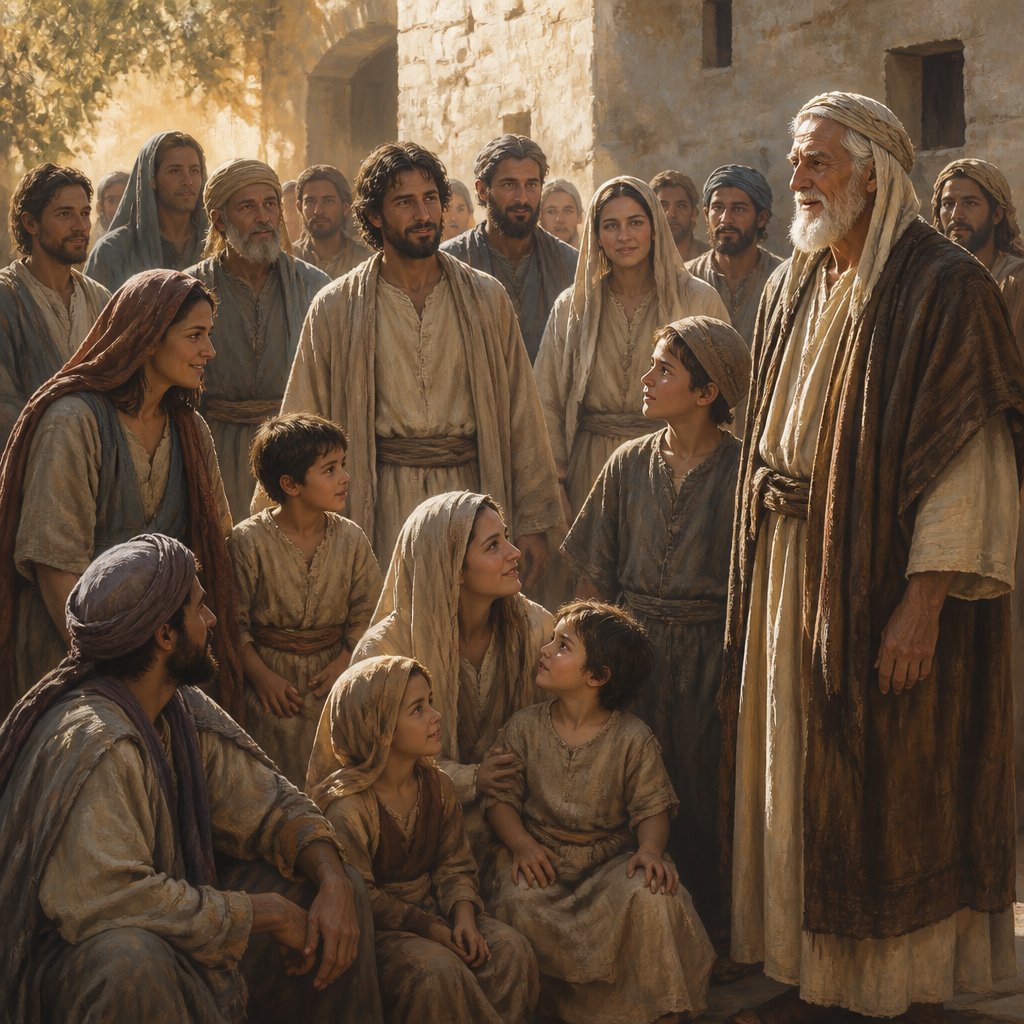
Nehemiah 7:22
"The men of Netophah, fifty and six."
The book of Nehemiah is a historical account of the rebuilding of the walls of Jerusalem and the restoration of the city after the Babylonian exile. Nehemiah was a Jewish cupbearer to the Persian king Artaxerxes, and he was burdened by the news of Jerusalem's desolate state. He received permission from the king to go to Jerusalem and oversee the rebuilding of the city.
In the context of Nehemiah 7:22, Nehemiah is organizing the people of Jerusalem and taking a census of the returned exiles. This verse specifically lists the men from the village of Netophah, numbering fifty-six. Although this may seem like a minor detail, it holds significance in the larger narrative of Nehemiah's leadership and the restoration of Jerusalem.
One of the key themes of the book of Nehemiah is the importance of community and working together for a common purpose. This verse highlights the individual contribution of the men of Netophah to the larger effort of rebuilding Jerusalem. Each person's participation was essential in accomplishing the task at hand. This serves as a reminder that even the seemingly smaller, less recognized contributions are valuable and necessary in achieving a greater goal.
The men of Netophah are representative of the collective effort of the Jewish people to rebuild their homeland. Their involvement signifies the unity and shared responsibility of the returned exiles in the restoration of Jerusalem. This theme of unity and cooperation is echoed throughout the book of Nehemiah, as the people work together under his leadership to overcome various obstacles and opposition.
Furthermore, the mention of the specific number "fifty and six" has symbolic significance in biblical numerology. The number fifty-six can be interpreted as a combination of the numbers five and six. In biblical numerology, the number five is often associated with God's grace and mercy, while the number six is often associated with humanity and imperfection. Therefore, the number fifty-six can symbolize the combination of God's grace working through imperfect humanity.
In a broader thematic context, the verse also highlights the faithfulness of God in preserving and restoring His people. The fact that the exiles were able to return to Jerusalem and work towards its restoration is a testament to God's faithfulness to His covenant with the Israelites. Despite the challenges and hardships they faced, the people of Israel were able to rebuild their city with God's help.
Additionally, the village of Netophah itself holds significance in biblical history. It was one of the Levitical cities appointed for the priests and Levites to dwell in, as mentioned in the book of Ezra (Ezra 2:22). This adds a layer of spiritual significance to the men of Netophah, as they were descendants of the Levites who were dedicated to serving God in the temple.
In conclusion, Nehemiah 7:22 is a seemingly simple verse that holds deeper thematic and symbolic meanings within the larger context of the book of Nehemiah. It underscores the importance of unity, collective effort, and individual contribution in working towards a common goal. It also symbolizes God's faithfulness and grace working through imperfect humanity, and it reflects the historical and spiritual significance of the people and places mentioned. As readers examine this verse within the larger narrative of Nehemiah, they are reminded of the power of community, the faithfulness of God, and the significance of each individual's role in the greater story of restoration and renewal.
Get our apps


Artwork for Nehemiah 7:22

Nehemiah 7:22 - "The children of Hashum, three hundred twenty and eight."

"The children of Hashum, three hundred twenty and eight." - Nehemiah 7:22

Nehemiah 10:22 - "Pelatiah, Hanan, Anaiah,"

Nehemiah 7:7 - "Who came with Zerubbabel, Jeshua, Nehemiah, Azariah, Raamiah, Nahamani, Mordecai, Bilshan, Mispereth, Bigvai, Nehum, Baanah. The number, I say, of the men of the people of Israel was this;"

Nehemiah 3:22 - "And after him repaired the priests, the men of the plain."

"Pelatiah, Hanan, Anaiah," - Nehemiah 10:22

Nehemiah 10:7 - "Meshullam, Abijah, Mijamin,"

Nehemiah 7:42 - "The children of Harim, a thousand and seventeen."

Nehemiah 7:24 - "The children of Hariph, an hundred and twelve."

Nehemiah 7:56 - "The children of Neziah, the children of Hatipha."

Nehemiah 7:25 - "The children of Gibeon, ninety and five."

Nehemiah 7:40 - "The children of Immer, a thousand fifty and two."

Nehemiah 7:31 - "The men of Michmas, an hundred and twenty and two."

Nehemiah 7:33 - "The men of the other Nebo, fifty and two."

Nehemiah 7:28 - "The men of Beth-azmaveth, forty and two."

Nehemiah 7:21 - "The children of Ater of Hezekiah, ninety and eight."

Nehemiah 7:14 - "The children of Zaccai, seven hundred and threescore."

Nehemiah 7:27 - "The men of Anathoth, an hundred twenty and eight."

Nehemiah 7:35 - "The children of Harim, three hundred and twenty."

Nehemiah 7:16 - "The children of Bebai, six hundred twenty and eight."

Nehemiah 7:58 - "The children of Jaala, the children of Darkon, the children of Giddel,"

Nehemiah 7:9 - "The children of Shephatiah, three hundred seventy and two."

Nehemiah 7:48 - "The children of Lebana, the children of Hagaba, the children of Shalmai,"

Nehemiah 7:15 - "The children of Binnui, six hundred forty and eight."

Nehemiah 7:19 - "The children of Bigvai, two thousand threescore and seven."

Nehemiah 7:44 - "¶ The singers: the children of Asaph, an hundred forty and eight."

Nehemiah 7:13 - "The children of Zattu, eight hundred forty and five."

Nehemiah 7:18 - "The children of Adonikam, six hundred threescore and seven."

Nehemiah 7:49 - "The children of Hanan, the children of Giddel, the children of Gahar,"

Nehemiah 7:55 - "The children of Barkos, the children of Sisera, the children of Tamah,"