What does Nehemiah 7:27 mean?
“The men of Anathoth, an hundred twenty and eight.” — Nehemiah 7:27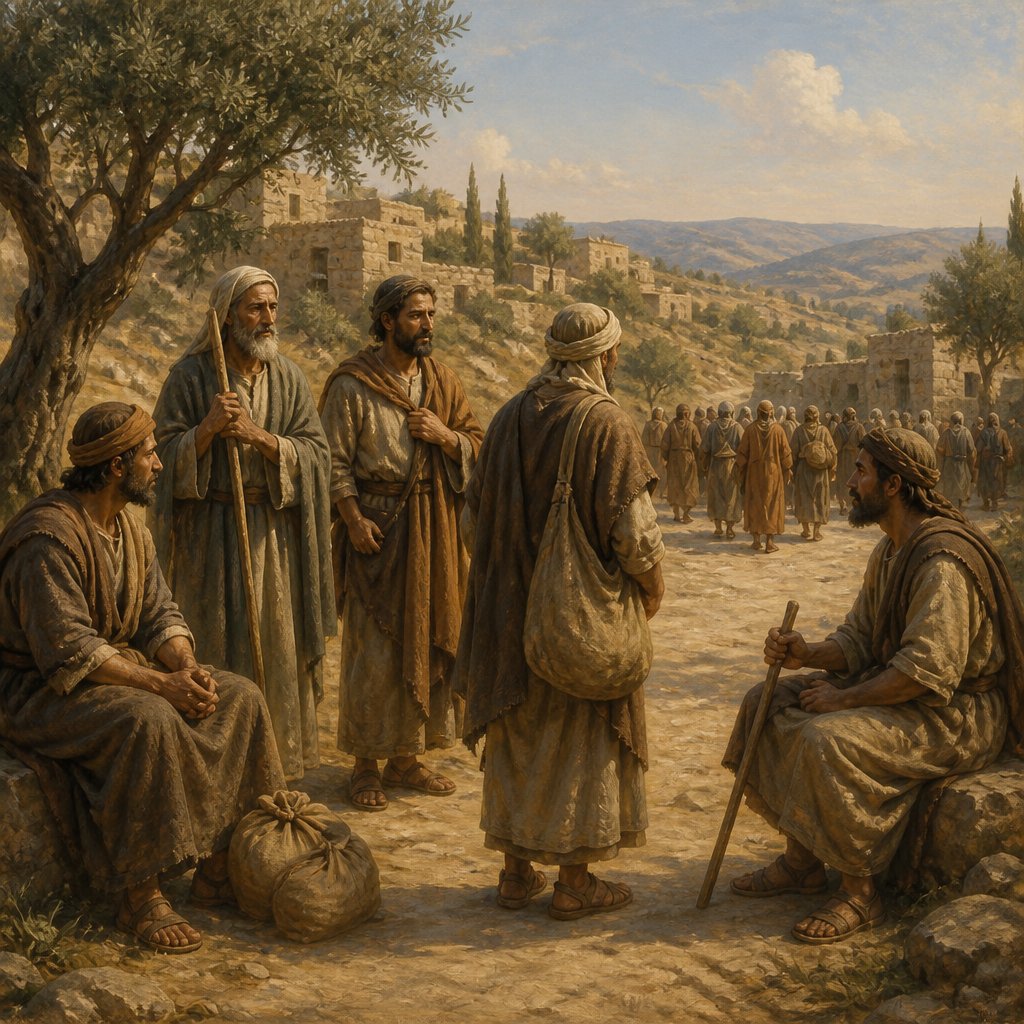
Nehemiah 7:27 (KJV) reads, "The men of Anathoth, two hundred twenty and eight."
In order to truly understand the importance of this verse, it is necessary to look at the context in which it is found. The book of Nehemiah is part of the historical books of the Old Testament, and it recounts the story of the Israelites who returned from exile in Babylon to rebuild the city of Jerusalem. Nehemiah, a cupbearer to the Persian king, was appointed as the governor of Jerusalem and led the efforts to rebuild the city walls and restore the people's faith and unity.
In chapter 7, Nehemiah appoints Hanani and Hananiah as rulers over Jerusalem, and he instructs them to take charge of the city as it is repopulated. He then lists the names of the leaders who returned with the exiles from Babylon, along with the number of people from each family. This verse is part of that list, specifically referring to the men of Anathoth, numbering 228.
The significance of this verse lies in the fact that it represents the rebuilding and repopulation of Jerusalem after the exile. Anathoth was a city in the territory of Benjamin, and its inclusion in the list shows that the people from this region were also committed to the restoration of their homeland. This unified effort to rebuild Jerusalem reflects the themes of unity, faith, and perseverance in the face of adversity.
The number 228 also carries symbolic significance. In biblical numerology, the number 2 represents witness and testimony, and the number 8 signifies new beginnings and resurrection. The fact that there were 228 men from Anathoth signifies their collective witness and testimony to the restoration of Jerusalem and their commitment to a new beginning for their people. This demonstrates their faithfulness to God's promises and their determination to see His plans fulfilled.
Additionally, the reference to Anathoth itself holds symbolic meaning. Anathoth was the birthplace of the prophet Jeremiah, who famously lamented over the destruction of Jerusalem and the suffering of its people. The inclusion of Anathoth in the repopulation efforts signifies a turning point in the history of the city, as it moves from a place of mourning and destruction to one of hope and renewal.
The verse also serves as a reminder of the importance of individual participation in the collective restoration of the city. Each man listed in this verse played a vital role in rebuilding Jerusalem, and their efforts were crucial to the success of the project. This serves as a powerful message about the impact of individual contributions to a greater cause, and the need for unity and cooperation in achieving a common goal.
In conclusion, Nehemiah 7:27 is a verse that holds deep symbolic and thematic significance within the context of the restoration of Jerusalem. It represents the unity, faith, and perseverance of the Israelites as they repopulate and rebuild their homeland after the exile. The inclusion of Anathoth and the specific number of men from that city carry symbolic meaning, reflecting the themes of new beginnings, testimony, and individual participation in a collective effort. This verse serves as a reminder of the importance of faithfulness and unity in the face of adversity, and it continues to inspire and encourage believers to this day.
Get our apps


Artwork for Nehemiah 7:27

Nehemiah 7:27 - "The men of Anathoth, an hundred twenty and eight."
"The men of Anathoth, an hundred twenty and eight." - Nehemiah 7:27

Nehemiah 10:27 - "Malluch, Harim, Baanah."

Nehemiah 11:27 - "And at Hazar-shual, and at Beer-sheba, and in the villages thereof,"

"Malluch, Harim, Baanah." - Nehemiah 10:27

Nehemiah 7:7 - "Who came with Zerubbabel, Jeshua, Nehemiah, Azariah, Raamiah, Nahamani, Mordecai, Bilshan, Mispereth, Bigvai, Nehum, Baanah. The number, I say, of the men of the people of Israel was this;"

Nehemiah 10:7 - "Meshullam, Abijah, Mijamin,"

Nehemiah 7:42 - "The children of Harim, a thousand and seventeen."

Nehemiah 7:24 - "The children of Hariph, an hundred and twelve."

Nehemiah 7:56 - "The children of Neziah, the children of Hatipha."

Nehemiah 7:25 - "The children of Gibeon, ninety and five."

Nehemiah 7:40 - "The children of Immer, a thousand fifty and two."

Nehemiah 7:31 - "The men of Michmas, an hundred and twenty and two."

Nehemiah 7:33 - "The men of the other Nebo, fifty and two."

Nehemiah 7:28 - "The men of Beth-azmaveth, forty and two."

Nehemiah 7:21 - "The children of Ater of Hezekiah, ninety and eight."

Nehemiah 7:14 - "The children of Zaccai, seven hundred and threescore."

Nehemiah 7:35 - "The children of Harim, three hundred and twenty."
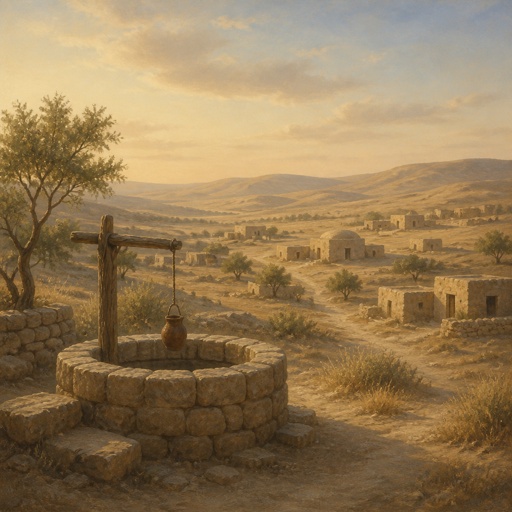
"And at Hazar-shual, and at Beer-sheba, and in the villages thereof," - Nehemiah 11:27

Nehemiah 7:16 - "The children of Bebai, six hundred twenty and eight."

Nehemiah 7:58 - "The children of Jaala, the children of Darkon, the children of Giddel,"

Nehemiah 7:9 - "The children of Shephatiah, three hundred seventy and two."

Nehemiah 7:48 - "The children of Lebana, the children of Hagaba, the children of Shalmai,"

Nehemiah 7:15 - "The children of Binnui, six hundred forty and eight."

Nehemiah 7:19 - "The children of Bigvai, two thousand threescore and seven."

Nehemiah 7:44 - "¶ The singers: the children of Asaph, an hundred forty and eight."

Nehemiah 7:13 - "The children of Zattu, eight hundred forty and five."

Nehemiah 7:18 - "The children of Adonikam, six hundred threescore and seven."

Nehemiah 7:49 - "The children of Hanan, the children of Giddel, the children of Gahar,"

Nehemiah 7:55 - "The children of Barkos, the children of Sisera, the children of Tamah,"