What does Nehemiah 7:32 mean?
“The men of Beth-el and Ai, an hundred twenty and three.” — Nehemiah 7:32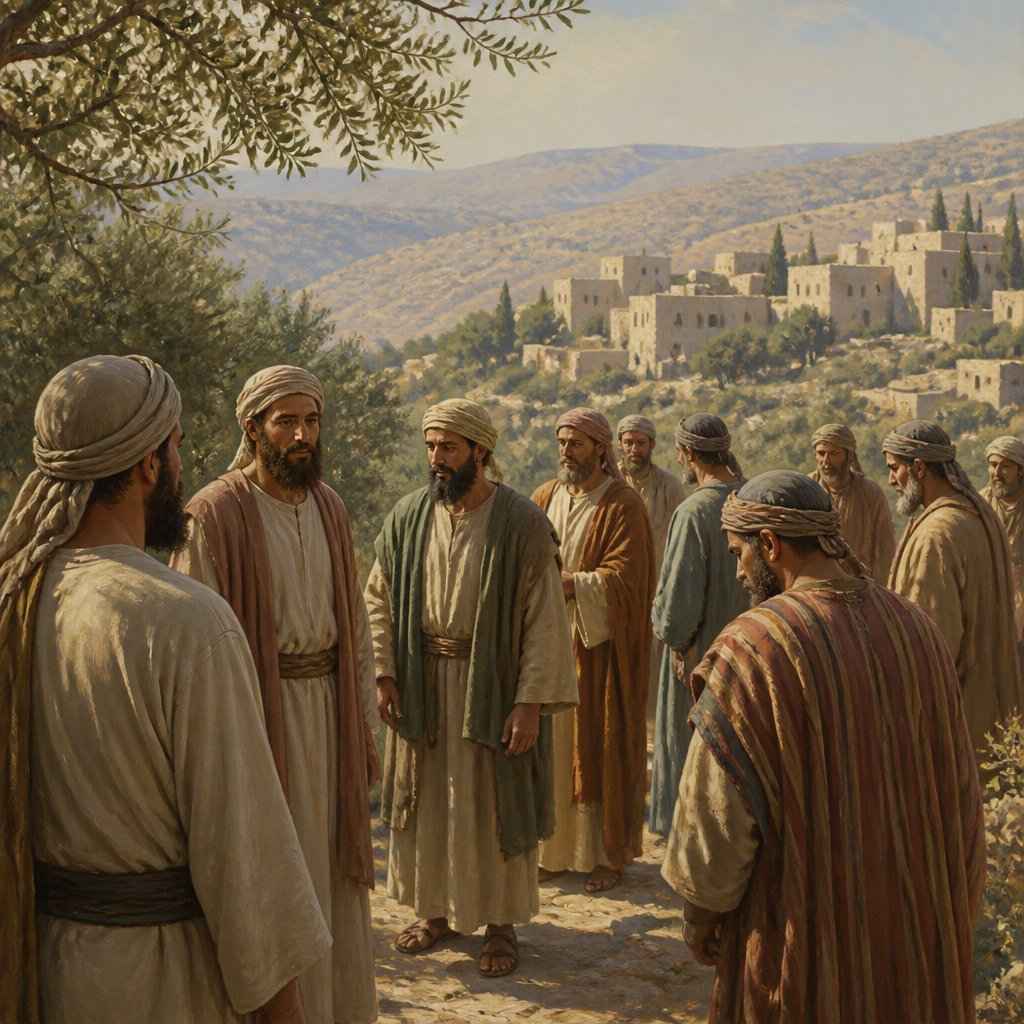
The verse Nehemiah 7:32 in the King James Version reads:
"The men of Bethel and Ai, two hundred twenty and three."
This verse is part of the list of the families and descendants that returned with Nehemiah to Jerusalem after the Babylonian exile. The Book of Nehemiah is set in the time when the Israelites were allowed to return to Jerusalem after being exiled to Babylon. The purpose of the book is to detail the rebuilding of the wall of Jerusalem and the restoration of the city, both physically and spiritually.
In the larger context of this verse, it is important to understand the significance of the return of the exiles to Jerusalem. This event was not just a physical relocation, but also a spiritual and cultural re-connection to their homeland and their faith. The return to Jerusalem marked a new beginning for the Israelites, as they sought to rebuild their lives and their community.
In this particular verse, the mention of the men of Bethel and Ai is significant because it highlights the specific individuals and families who were part of the returning group. These were real people with real histories, families, and contributions to the rebuilding efforts. By listing them, the verse acknowledges their presence and importance in the restoration of Jerusalem.
Symbolically, the mention of Bethel and Ai serves as a reminder of the places and landmarks that were significant in the history of the Israelites. Bethel was a place of great spiritual significance, often associated with important events in the lives of the patriarchs, such as Jacob. Ai was a city that played a role in the conquest of Canaan under Joshua. By referencing these locations, the verse connects the present with the past, emphasizing the continuity of the Israelites' history and their ties to the land.
In a broader sense, this verse is also a testimony to the faithfulness and providence of God. The fact that these men of Bethel and Ai were able to return to Jerusalem and participate in the rebuilding efforts is a testament to God's faithfulness to his people. Despite the hardships and trials they faced, God made it possible for them to return and play a part in the restoration of their homeland.
From a thematic perspective, this verse ties into the larger themes of restoration, renewal, and community. The return to Jerusalem was a time of rebuilding and re-establishing the community, both physically and spiritually. The mention of the men of Bethel and Ai reinforces the idea that the restoration effort was a collective endeavor, involving people from different backgrounds and places. It also underscores the idea of continuity and connection to tradition and heritage.
In conclusion, Nehemiah 7:32, while seemingly a simple list of names, carries deep symbolic and thematic significance within the broader context of the Book of Nehemiah. It serves as a reminder of the real people who participated in the restoration of Jerusalem, as well as a testimony to God's faithfulness and the continuity of the Israelites' history. This verse captures the essence of the larger themes of restoration, renewal, and community that are central to the narrative of Nehemiah.
Get our apps


Artwork for Nehemiah 7:32

Nehemiah 7:32 - "The men of Beth-el and Ai, an hundred twenty and three."

"The men of Beth-el and Ai, an hundred twenty and three." - Nehemiah 7:32

Nehemiah 11:32 - "And at Anathoth, Nob, Ananiah,"

Nehemiah 12:32 - "And after them went Hoshaiah, and half of the princes of Judah,"

"And at Anathoth, Nob, Ananiah," - Nehemiah 11:32

Nehemiah 3:32 - "And between the going up of the corner unto the sheep gate repaired the goldsmiths and the merchants."

Nehemiah 7:7 - "Who came with Zerubbabel, Jeshua, Nehemiah, Azariah, Raamiah, Nahamani, Mordecai, Bilshan, Mispereth, Bigvai, Nehum, Baanah. The number, I say, of the men of the people of Israel was this;"

Nehemiah 10:32 - "Also we made ordinances for us, to charge ourselves yearly with the third part of a shekel for the service of the house of our God;"

Nehemiah 10:7 - "Meshullam, Abijah, Mijamin,"
"And after them went Hoshaiah, and half of the princes of Judah," - Nehemiah 12:32

Nehemiah 7:42 - "The children of Harim, a thousand and seventeen."

Nehemiah 7:24 - "The children of Hariph, an hundred and twelve."

Nehemiah 7:56 - "The children of Neziah, the children of Hatipha."

Nehemiah 7:25 - "The children of Gibeon, ninety and five."

Nehemiah 7:40 - "The children of Immer, a thousand fifty and two."

Nehemiah 7:31 - "The men of Michmas, an hundred and twenty and two."

Nehemiah 7:33 - "The men of the other Nebo, fifty and two."

Nehemiah 7:28 - "The men of Beth-azmaveth, forty and two."

Nehemiah 7:21 - "The children of Ater of Hezekiah, ninety and eight."

Nehemiah 7:14 - "The children of Zaccai, seven hundred and threescore."

Nehemiah 7:27 - "The men of Anathoth, an hundred twenty and eight."

Nehemiah 7:35 - "The children of Harim, three hundred and twenty."

Nehemiah 7:16 - "The children of Bebai, six hundred twenty and eight."

Nehemiah 7:58 - "The children of Jaala, the children of Darkon, the children of Giddel,"

Nehemiah 7:9 - "The children of Shephatiah, three hundred seventy and two."

Nehemiah 7:48 - "The children of Lebana, the children of Hagaba, the children of Shalmai,"

Nehemiah 7:15 - "The children of Binnui, six hundred forty and eight."

Nehemiah 7:19 - "The children of Bigvai, two thousand threescore and seven."

Nehemiah 7:44 - "¶ The singers: the children of Asaph, an hundred forty and eight."

Nehemiah 7:13 - "The children of Zattu, eight hundred forty and five."