What does Nehemiah 7:52 mean?
“The children of Besai, the children of Meunim, the children of Nephishesim,” — Nehemiah 7:52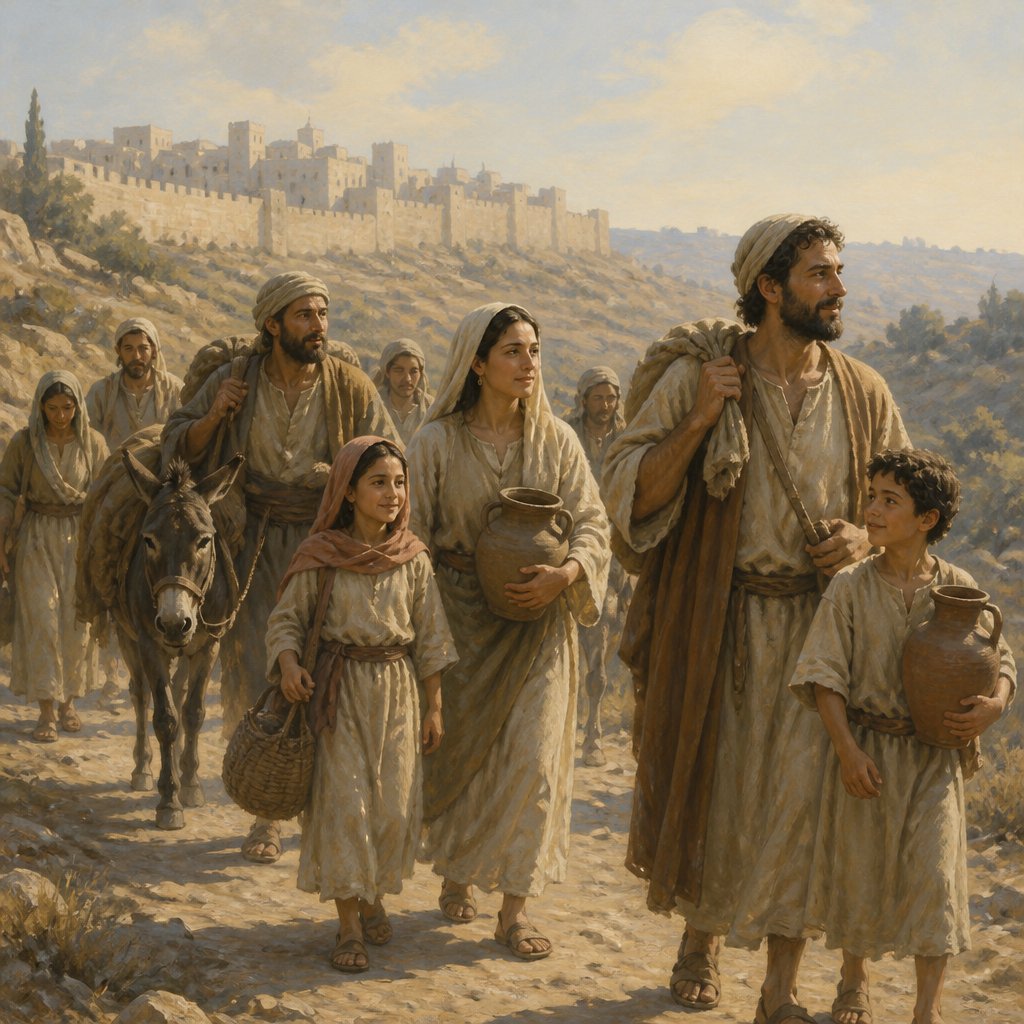
Nehemiah 7:52 (KJV) states:
"The children of Besai, 623."
In order to truly understand the significance of this verse, it is necessary to examine the context in which it is found, as well as the historical and cultural background of the time. The Book of Nehemiah is set in the 5th century BC, during the time when the Israelites were returning to Jerusalem from exile in Babylon. Nehemiah, a Jewish cupbearer to the Persian king Artaxerxes, is given permission to return to Jerusalem and rebuild the city walls. The book recounts the challenges and triumphs the Israelites face as they work to restore their city and their faith.
In the verse preceding Nehemiah 7:52, the passage lists the number of descendants of the Israelite tribes who returned to Jerusalem. This detailed account reflects the meticulous record-keeping and attention to detail that was characteristic of the Jewish people. It demonstrates a commitment to preserving their heritage and lineage, and serves as a testament to their dedication to rebuilding their community.
The mention of the "children of Besai, 623" may seem like a straightforward enumeration of a specific lineage, but within the broader context of the book, this verse serves as a reminder of the importance of individual contributions to the collective effort. Each person counted in this verse played a role in the restoration of Jerusalem, and their inclusion in the biblical record underscores their significance in the eyes of God.
Furthermore, the number "623" may hold symbolic or spiritual significance. In biblical numerology, numbers often carry meaning beyond their numerical value. While 623 may not have a direct symbolic association in the Bible, the number 6 is often associated with incompleteness or imperfection, while 3 is associated with divine perfection and completeness. This juxtaposition of numbers may suggest the imperfect nature of humanity coming together under the divine perfection and completeness of God's plan for restoration.
The mention of Besai, like the other names and lineages recorded in Nehemiah, serves as a reminder of the individuality and diversity within the community of believers. Each person has their own identity, story, and role to play in the larger narrative of God's redemptive plan.
Additionally, this verse highlights the theme of community and unity within the context of rebuilding Jerusalem. The collective return of the Israelites to their homeland and their collaborative efforts to reconstruct the city walls exemplify the power of communal action and shared purpose. The specific mention of the "children of Besai" within this larger collective emphasizes the value of every individual within the community, regardless of their status or contribution.
In conclusion, Nehemiah 7:52, though seemingly simple, carries rich layers of meaning within the broader narrative of the Book of Nehemiah. It underscores the significance of individual contributions within the collective effort of rebuilding Jerusalem, and serves as a poignant testament to the value of community, unity, and the divine plan for restoration. This verse reminds believers of the importance of individual identities within the larger community of faith, and the ultimate completeness found in God's redemptive work.
Get our apps


Artwork for Nehemiah 7:52

Nehemiah 7:52 - "The children of Besai, the children of Meunim, the children of Nephishesim,"
"The children of Besai, the children of Meunim, the children of Nephishesim," - Nehemiah 7:52
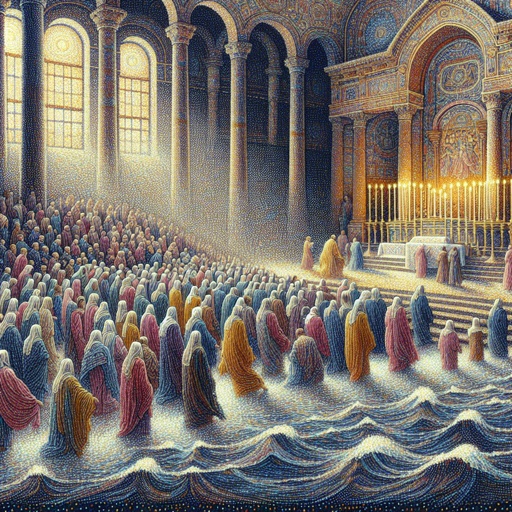
Psalm 52:7

Numbers 7:52 - "One kid of the goats for a sin offering:"

Nehemiah 7:7 - "Who came with Zerubbabel, Jeshua, Nehemiah, Azariah, Raamiah, Nahamani, Mordecai, Bilshan, Mispereth, Bigvai, Nehum, Baanah. The number, I say, of the men of the people of Israel was this;"
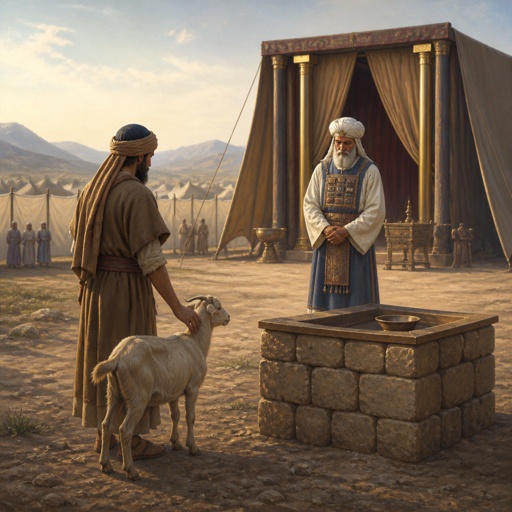
"One kid of the goats for a sin offering:" - Numbers 7:52

Nehemiah 10:7 - "Meshullam, Abijah, Mijamin,"

Psalms 52:7 - "Lo, this is the man that made not God his strength; but trusted in the abundance of his riches, and strengthened himself in his wickedness."
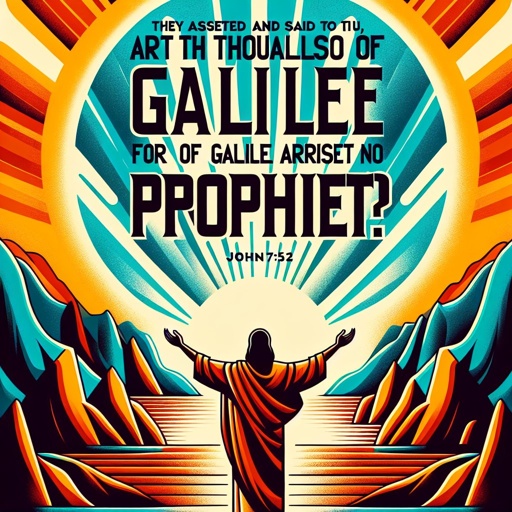
John 7:52 - "They answered and said unto him, Art thou also of Galilee? Search, and look: for out of Galilee ariseth no prophet."

Nehemiah 7:42 - "The children of Harim, a thousand and seventeen."

Nehemiah 7:24 - "The children of Hariph, an hundred and twelve."

Nehemiah 7:56 - "The children of Neziah, the children of Hatipha."

Nehemiah 7:25 - "The children of Gibeon, ninety and five."

Nehemiah 7:40 - "The children of Immer, a thousand fifty and two."

Nehemiah 7:31 - "The men of Michmas, an hundred and twenty and two."

Psa 52:7 (KJVA) 7 Lo, this is the man that made not God his strength; but trusted in the abundance of his riches, and strengthened himself in his wickedness.
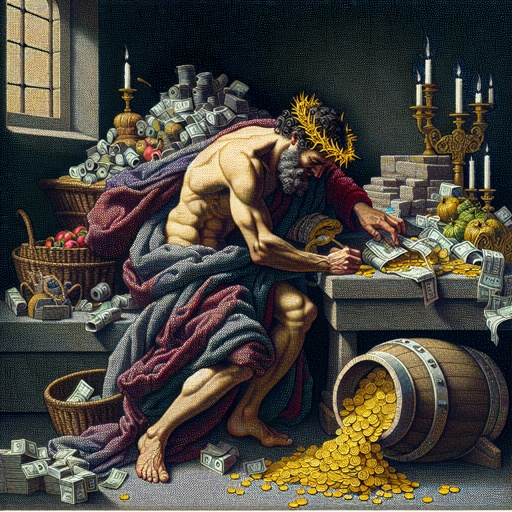
Psa 52:7 (KJVA) 7 Lo, this is the man that made not God his strength; but trusted in the abundance of his riches, and strengthened himself in his wickedness.

Nehemiah 7:33 - "The men of the other Nebo, fifty and two."

Nehemiah 7:28 - "The men of Beth-azmaveth, forty and two."

Nehemiah 7:21 - "The children of Ater of Hezekiah, ninety and eight."

Nehemiah 7:14 - "The children of Zaccai, seven hundred and threescore."

Nehemiah 7:27 - "The men of Anathoth, an hundred twenty and eight."

Nehemiah 7:35 - "The children of Harim, three hundred and twenty."
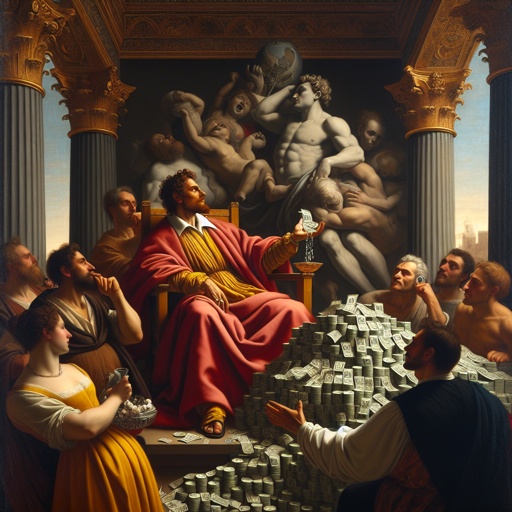
Psa 52:7 (KJVA) 7 Lo, this is the man that made not God his strength; but trusted in the abundance of his riches, and strengthened himself in his wickedness.

Nehemiah 7:16 - "The children of Bebai, six hundred twenty and eight."

Nehemiah 7:58 - "The children of Jaala, the children of Darkon, the children of Giddel,"

Nehemiah 7:9 - "The children of Shephatiah, three hundred seventy and two."

Nehemiah 7:48 - "The children of Lebana, the children of Hagaba, the children of Shalmai,"

Nehemiah 7:15 - "The children of Binnui, six hundred forty and eight."

Nehemiah 7:19 - "The children of Bigvai, two thousand threescore and seven."