What does Nehemiah 7:53 mean?
“The children of Bakbuk, the children of Hakupha, the children of Harhur,” — Nehemiah 7:53
Nehemiah 7:53 (KJV) reads, "The children of Barkos, the children of Sisera, the children of Thamah." On its surface, this verse may seem unremarkable, simply listing the names of families or clans. However, within the broader context of the book of Nehemiah and the historical and symbolic significance of names in the Bible, this verse holds deeper meaning and relevance.
The book of Nehemiah is set in the context of the Israelites' return to Jerusalem after their exile in Babylon. Nehemiah, a Jewish leader, is tasked with the monumental challenge of rebuilding the walls of Jerusalem and restoring the city's infrastructure and community after years of destruction and desolation. This chapter specifically lists the people who returned to Jerusalem with Zerubbabel, under the leadership of Nehemiah, and played a critical role in the rebuilding and restoration process.
In understanding the meaning and significance of this verse, it is important to consider the broader themes and symbolism found in the book of Nehemiah. One of the central themes of the book is the restoration and renewal of God's people. The rebuilding of the walls of Jerusalem serves as a physical manifestation of this spiritual renewal, symbolizing the reestablishment of God's protection and presence among his people.
In this context, the names listed in Nehemiah 7:53 carry symbolic significance. Throughout the Bible, names are often used to convey a deeper spiritual meaning or to symbolize a particular characteristic or attribute. The children of Barkos, Sisera, and Thamah mentioned in this verse may represent specific families or clans who played a role in the restoration of Jerusalem. Alternatively, their names may hold symbolic meaning that reflects the broader themes of renewal and restoration found in the book of Nehemiah.
The name "Barkos" is not explicitly mentioned elsewhere in the Bible, making it difficult to determine its specific meaning or significance. However, the name "Sisera" is notable for its connection to a prominent figure in the book of Judges. Sisera was a Canaanite military leader who fought against the Israelites under the rule of King Jabin. He is most famously known for his defeat at the hands of the Israelite woman Jael, who killed him as he sought refuge in her tent. The inclusion of the name Sisera in Nehemiah 7:53 may allude to the broader theme of victory over enemies and the establishment of God's sovereignty.
The name "Thamah" also lacks a clear connection to other biblical figures or events. However, the root of the name "Thamah" in Hebrew means "upright" or "innocent." This may suggest a symbolic representation of righteousness or moral integrity within the community of returning exiles.
When considering these names in the broader context of the book of Nehemiah, it is important to recognize the significance of individual and collective contributions to the restoration process. Each family or clan listed in this verse played a role in the rebuilding of Jerusalem, representing the collective effort and commitment required for spiritual and physical renewal.
In conclusion, Nehemiah 7:53 holds deeper meaning within the context of the book of Nehemiah and the broader themes of renewal and restoration found in the Bible. The names listed in this verse may symbolize specific families or clans involved in the rebuilding of Jerusalem, or they may carry deeper spiritual significance. Regardless, this verse serves as a reminder of the collective effort required for the restoration of God's people and the establishment of his sovereignty.
Get our apps


Artwork for Nehemiah 7:53

Nehemiah 7:53 - "The children of Bakbuk, the children of Hakupha, the children of Harhur,"

"The children of Bakbuk, the children of Hakupha, the children of Harhur," - Nehemiah 7:53

John 7:53 - "And every man went unto his own house."

Acts 7:53 - "Who have received the law by the disposition of angels, and have not kept it."

Nehemiah 7:7 - "Who came with Zerubbabel, Jeshua, Nehemiah, Azariah, Raamiah, Nahamani, Mordecai, Bilshan, Mispereth, Bigvai, Nehum, Baanah. The number, I say, of the men of the people of Israel was this;"

"And every man went unto his own house." - John 7:53

Nehemiah 10:7 - "Meshullam, Abijah, Mijamin,"

Numbers 7:53 - "And for a sacrifice of peace offerings, two oxen, five rams, five he goats, five lambs of the first year: this was the offering of Elishama the son of Ammihud."
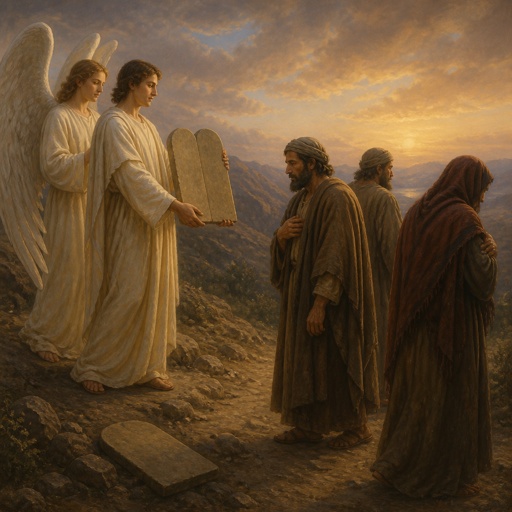
"Who have received the law by the disposition of angels, and have not kept it." - Acts 7:53

Nehemiah 7:42 - "The children of Harim, a thousand and seventeen."

Nehemiah 7:24 - "The children of Hariph, an hundred and twelve."

Nehemiah 7:56 - "The children of Neziah, the children of Hatipha."

Nehemiah 7:25 - "The children of Gibeon, ninety and five."

Nehemiah 7:40 - "The children of Immer, a thousand fifty and two."

Nehemiah 7:31 - "The men of Michmas, an hundred and twenty and two."

Nehemiah 7:33 - "The men of the other Nebo, fifty and two."

Nehemiah 7:21 - "The children of Ater of Hezekiah, ninety and eight."

Nehemiah 7:28 - "The men of Beth-azmaveth, forty and two."

Nehemiah 7:14 - "The children of Zaccai, seven hundred and threescore."

Nehemiah 7:27 - "The men of Anathoth, an hundred twenty and eight."

Nehemiah 7:35 - "The children of Harim, three hundred and twenty."

Nehemiah 7:16 - "The children of Bebai, six hundred twenty and eight."

Nehemiah 7:58 - "The children of Jaala, the children of Darkon, the children of Giddel,"

Nehemiah 7:9 - "The children of Shephatiah, three hundred seventy and two."

Nehemiah 7:48 - "The children of Lebana, the children of Hagaba, the children of Shalmai,"

Nehemiah 7:19 - "The children of Bigvai, two thousand threescore and seven."

Nehemiah 7:15 - "The children of Binnui, six hundred forty and eight."

Nehemiah 7:44 - "¶ The singers: the children of Asaph, an hundred forty and eight."

Nehemiah 7:18 - "The children of Adonikam, six hundred threescore and seven."

Nehemiah 7:13 - "The children of Zattu, eight hundred forty and five."