What does Nehemiah 7:67 mean?
“Beside their manservants and their maidservants, of whom there were seven thousand three hundred thirty and seven: and they had two hundred forty and five singing men and singing women.” — Nehemiah 7:67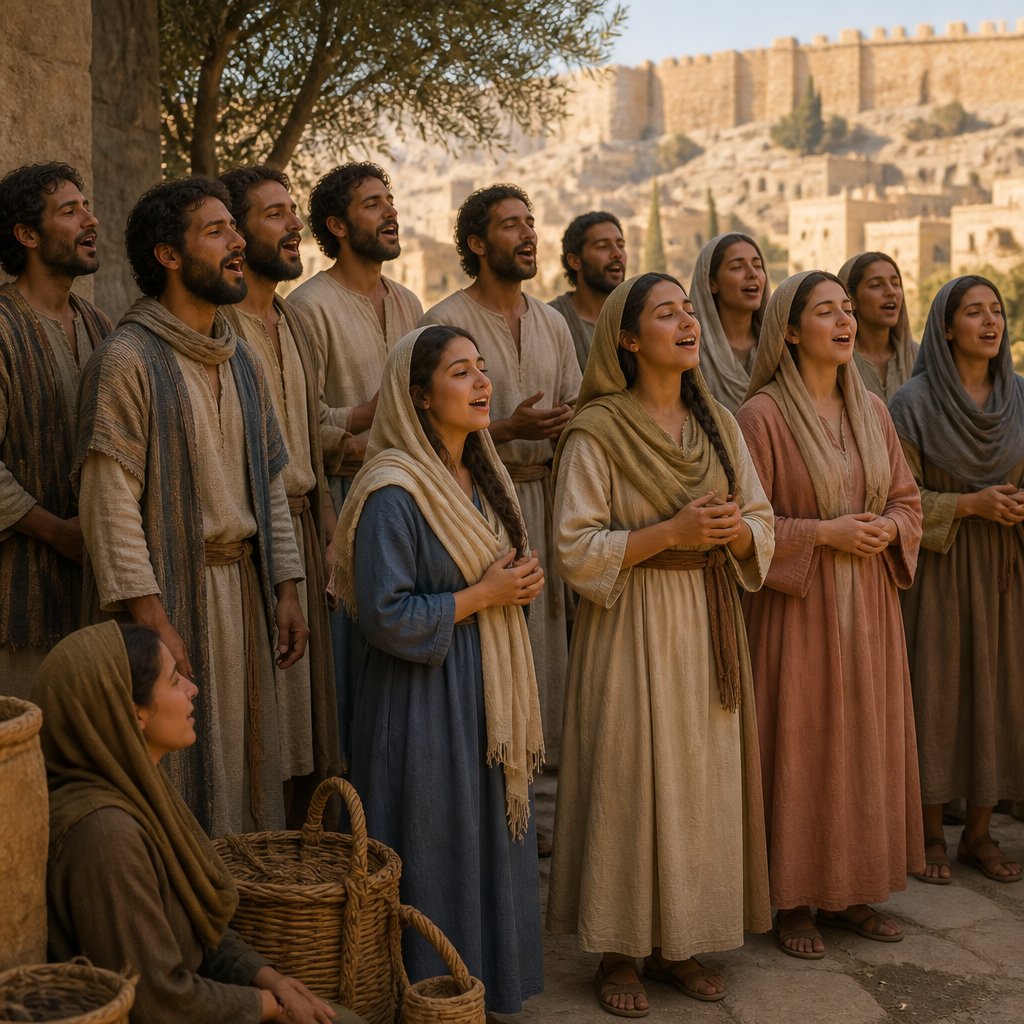
The verse Nehemiah 7:67 from the King James Version (KJV) reads: "Beside their manservants and their maidservants, of whom there were seven thousand three hundred thirty and seven: and they had two hundred forty and five singing men and singing women."
This verse comes from the book of Nehemiah in the Old Testament, which tells the story of the Israelites rebuilding the walls of Jerusalem following their return from exile in Babylon. The context of this particular verse is a detailed listing of the people who returned to Jerusalem with Zerubbabel and Nehemiah, and the possessions they brought with them. The verse specifically mentions the number of manservants, maidservants, singing men, and singing women who were present among the returning Israelites.
One of the key themes in this verse is the idea of community and the importance of all individuals within the community. The verse highlights the diverse group of people who made the journey back to Jerusalem, including both men and women, as well as those who served in various capacities. This emphasis on inclusivity and the value of all members of the community reflects the broader biblical theme of the importance of unity and collaboration among God's people.
The inclusion of singing men and singing women in the verse also reflects the significance of music and worship in the Israelite community. Music was an integral part of Israelite religious life and was used in various contexts, including worship, celebration, and mourning. The presence of singers among the returnees highlights the role of music in the spiritual and cultural identity of the Israelites.
Symbolism can also be found in this verse, particularly in the numbers mentioned. The number seven often carries symbolic significance in the Bible, representing completion or perfection. In this verse, the reference to seven thousand three hundred thirty-seven manservants and maidservants may symbolize the completeness or fullness of the community that returned to Jerusalem. Additionally, the number two hundred forty-five, which represents the singing men and singing women, may also carry symbolic meaning, though its specific significance is not explicitly stated in the text.
Overall, Nehemiah 7:67 provides a glimpse into the diverse and inclusive nature of the Israelite community that returned to Jerusalem. The verse underscores the value of all individuals within the community, as well as the importance of music and worship in the spiritual and cultural life of the Israelites. Through its emphasis on community, inclusivity, and the symbolic potential of numbers, this verse offers valuable insights into the biblical themes and values that continue to resonate with believers today.
Get our apps


Artwork for Nehemiah 7:67
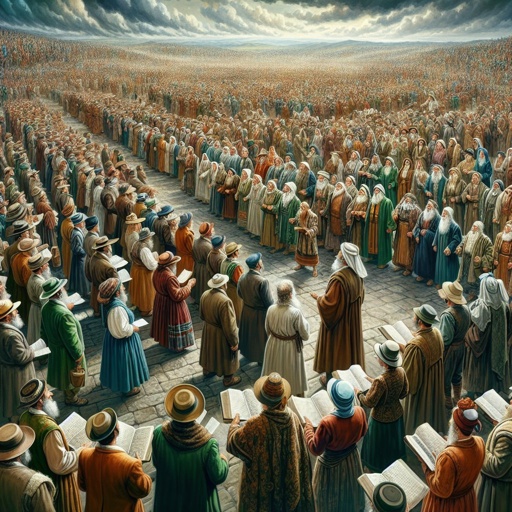
Nehemiah 7:67 - "Beside their manservants and their maidservants, of whom there were seven thousand three hundred thirty and seven: and they had two hundred forty and five singing men and singing women."
"Beside their manservants and their maidservants, of whom there were seven thousand three hundred thirty and seven: and they had two hundred forty and five singing men and singing women." - Nehemiah 7:67

Psalms 67:7 - "God shall bless us; and all the ends of the earth shall fear him."
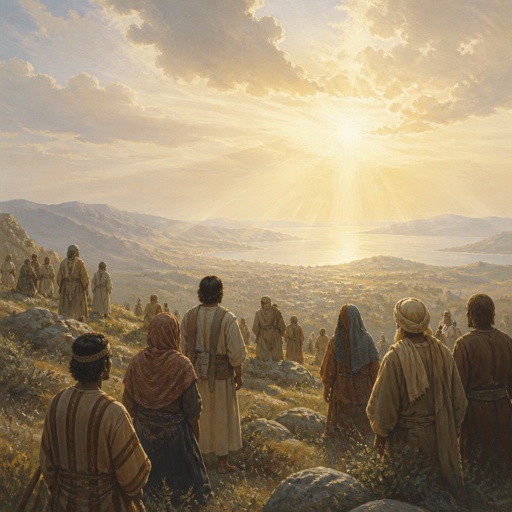
"God shall bless us; and all the ends of the earth shall fear him." - Psalms 67:7

Nehemiah 7:7 - "Who came with Zerubbabel, Jeshua, Nehemiah, Azariah, Raamiah, Nahamani, Mordecai, Bilshan, Mispereth, Bigvai, Nehum, Baanah. The number, I say, of the men of the people of Israel was this;"
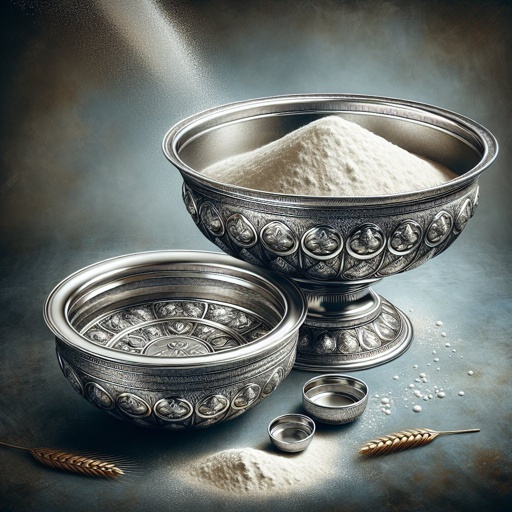
Numbers 7:67 - "His offering was one silver charger, the weight whereof was an hundred and thirty shekels, one silver bowl of seventy shekels, after the shekel of the sanctuary; both of them full of fine flour mingled with oil for a meat offering:"

Nehemiah 10:7 - "Meshullam, Abijah, Mijamin,"

Nehemiah 7:42 - "The children of Harim, a thousand and seventeen."

Nehemiah 7:24 - "The children of Hariph, an hundred and twelve."

Nehemiah 7:56 - "The children of Neziah, the children of Hatipha."

Nehemiah 7:25 - "The children of Gibeon, ninety and five."

Nehemiah 7:40 - "The children of Immer, a thousand fifty and two."

Nehemiah 7:31 - "The men of Michmas, an hundred and twenty and two."

Nehemiah 7:33 - "The men of the other Nebo, fifty and two."

Nehemiah 7:28 - "The men of Beth-azmaveth, forty and two."

Nehemiah 7:21 - "The children of Ater of Hezekiah, ninety and eight."

Nehemiah 7:14 - "The children of Zaccai, seven hundred and threescore."

Nehemiah 7:27 - "The men of Anathoth, an hundred twenty and eight."

Nehemiah 7:35 - "The children of Harim, three hundred and twenty."

Nehemiah 7:16 - "The children of Bebai, six hundred twenty and eight."

Nehemiah 7:58 - "The children of Jaala, the children of Darkon, the children of Giddel,"

Nehemiah 7:9 - "The children of Shephatiah, three hundred seventy and two."

Nehemiah 7:48 - "The children of Lebana, the children of Hagaba, the children of Shalmai,"

Nehemiah 7:15 - "The children of Binnui, six hundred forty and eight."

Nehemiah 7:19 - "The children of Bigvai, two thousand threescore and seven."

Nehemiah 7:44 - "¶ The singers: the children of Asaph, an hundred forty and eight."

Nehemiah 7:13 - "The children of Zattu, eight hundred forty and five."

Nehemiah 7:18 - "The children of Adonikam, six hundred threescore and seven."

Nehemiah 7:49 - "The children of Hanan, the children of Giddel, the children of Gahar,"

Nehemiah 7:55 - "The children of Barkos, the children of Sisera, the children of Tamah,"