What does Nehemiah 7:63 mean?
“And of the priests: the children of Habaiah, the children of Koz, the children of Barzillai, which took one of the daughters of Barzillai the Gileadite to wife, and was called after their name.” — Nehemiah 7:63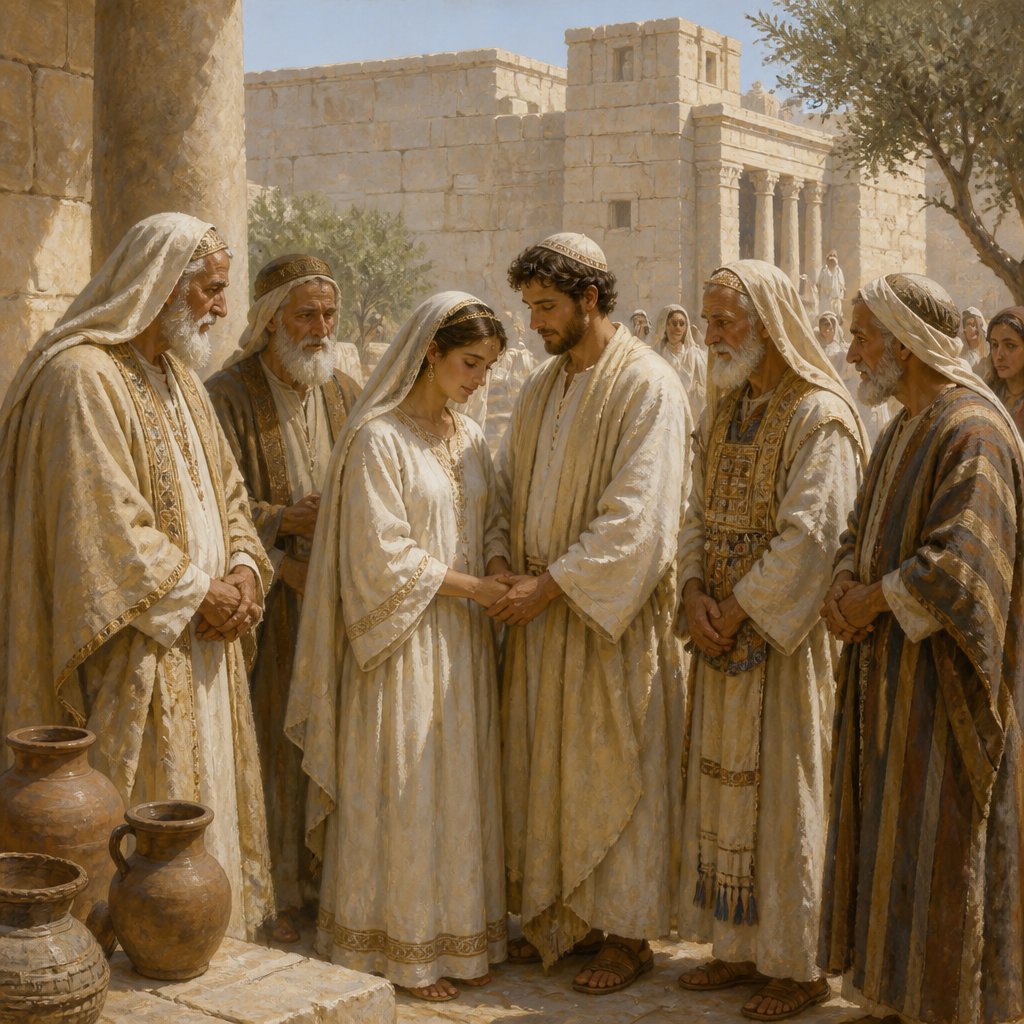
The verse Nehemiah 7:63 from the King James Version (KJV) reads, "And of the priests: the children of Habaiah, the children of Koz, the children of Barzillai, which took one of the daughters of Barzillai the Gileadite to wife, and was called after their name."
This verse is a part of the book of Nehemiah, which is one of the historical books in the Old Testament. The book of Nehemiah primarily focuses on the rebuilding of the walls of Jerusalem and the restoration of the Jewish community after their return from exile in Babylon. The verse Nehemiah 7:63 is a part of a list of the priests and Levites who returned to Jerusalem with Zerubbabel and Jeshua.
In this verse, the names of the priests are mentioned along with a specific detail about the lineage of one of the priests. It states that one of the priests, Barzillai, took a daughter of Barzillai the Gileadite to be his wife, and he was called after their name. This detail may initially seem insignificant, but it holds an important meaning within the larger context of the book of Nehemiah and the Bible as a whole.
One of the central themes in the book of Nehemiah is the importance of community and belonging. The people of Israel had been scattered and exiled, and their return to Jerusalem was not just a physical return, but also a return to their identity as a people chosen by God. The mention of the priest taking a daughter of Barzillai the Gileadite as his wife serves as a reminder of the interconnectedness of the Jewish community and the importance of maintaining their identity as a people.
The lineage and names listed in the book of Nehemiah carry symbolic significance, as they represent the continuity of the priesthood and the preservation of the Jewish heritage. The priest who took a daughter of Barzillai the Gileadite as his wife not only carried on the name of his own family but also honored and preserved the lineage of his wife's family. This reflects the biblical value of honoring one's ancestors and maintaining a sense of continuity and connection with the past.
Another important aspect of this verse is the symbolism of marriage and family. In biblical times, marriage was not just a union between two individuals but also a merging of families and lineages. The fact that the priest was called after the name of his wife's family signifies the importance of unity and cooperation within the community. It also highlights the value of women in preserving and carrying on the heritage of their families. This reflects the biblical teachings on the sanctity of marriage and the roles of men and women in the divine plan.
Overall, the verse Nehemiah 7:63 carries a message of continuity, unity, and preservation of heritage within the Jewish community. It emphasizes the importance of maintaining a sense of identity and belonging, both through familial lineage and through the larger community. In the broader context of the book of Nehemiah and the Bible, this verse reinforces the overarching themes of faithfulness, restoration, and the eternal covenant between God and His people. It serves as a reminder of the interconnectedness of all individuals within the community of faith and the value of preserving one's heritage and honoring the legacy of the past.
Get our apps


Artwork for Nehemiah 7:63

Nehemiah 7:63 - "¶ And of the priests: the children of Habaiah, the children of Koz, the children of Barzillai, which took one of the daughters of Barzillai the Gileadite to wife, and was called after their name."
"¶ And of the priests: the children of Habaiah, the children of Koz, the children of Barzillai, which took one of the daughters of Barzillai the Gileadite to wife, and was called after their name." - Nehemiah 7:63

Numbers 7:63 - "One young bullock, one ram, one lamb of the first year, for a burnt offering:"

Psalms 63:7 - "Because thou hast been my help, therefore in the shadow of thy wings will I rejoice."

Nehemiah 7:7 - "Who came with Zerubbabel, Jeshua, Nehemiah, Azariah, Raamiah, Nahamani, Mordecai, Bilshan, Mispereth, Bigvai, Nehum, Baanah. The number, I say, of the men of the people of Israel was this;"

Psalm 63:7-8 - "Because you are my help, I sing in the shadow of your wings. I cling to you; your right hand upholds me."

Nehemiah 10:7 - "Meshullam, Abijah, Mijamin,"

Nehemiah 7:42 - "The children of Harim, a thousand and seventeen."

Nehemiah 7:24 - "The children of Hariph, an hundred and twelve."

Nehemiah 7:56 - "The children of Neziah, the children of Hatipha."

Nehemiah 7:25 - "The children of Gibeon, ninety and five."

Nehemiah 7:40 - "The children of Immer, a thousand fifty and two."

Nehemiah 7:31 - "The men of Michmas, an hundred and twenty and two."

Nehemiah 7:33 - "The men of the other Nebo, fifty and two."

Nehemiah 7:21 - "The children of Ater of Hezekiah, ninety and eight."

Nehemiah 7:28 - "The men of Beth-azmaveth, forty and two."

Nehemiah 7:14 - "The children of Zaccai, seven hundred and threescore."

Nehemiah 7:27 - "The men of Anathoth, an hundred twenty and eight."

Nehemiah 7:35 - "The children of Harim, three hundred and twenty."
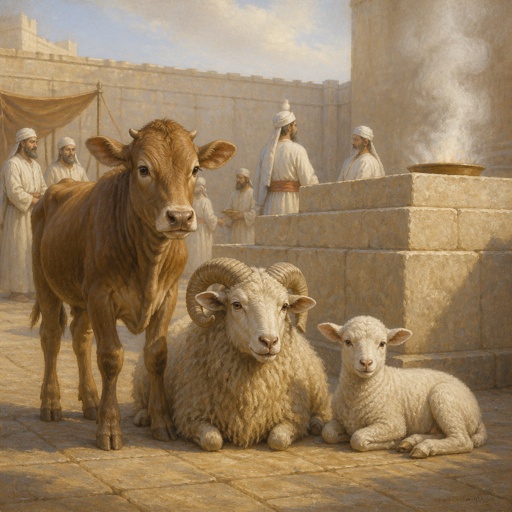
"One young bullock, one ram, one lamb of the first year, for a burnt offering:" - Numbers 7:63

Nehemiah 7:16 - "The children of Bebai, six hundred twenty and eight."

Nehemiah 7:58 - "The children of Jaala, the children of Darkon, the children of Giddel,"

Nehemiah 7:9 - "The children of Shephatiah, three hundred seventy and two."

Nehemiah 7:48 - "The children of Lebana, the children of Hagaba, the children of Shalmai,"

Nehemiah 7:19 - "The children of Bigvai, two thousand threescore and seven."

Nehemiah 7:15 - "The children of Binnui, six hundred forty and eight."

Nehemiah 7:44 - "¶ The singers: the children of Asaph, an hundred forty and eight."

Nehemiah 7:18 - "The children of Adonikam, six hundred threescore and seven."

Nehemiah 7:13 - "The children of Zattu, eight hundred forty and five."

Nehemiah 7:49 - "The children of Hanan, the children of Giddel, the children of Gahar,"