What does Nehemiah 7:69 mean?
“Their camels, four hundred thirty and five: six thousand seven hundred and twenty asses.” — Nehemiah 7:69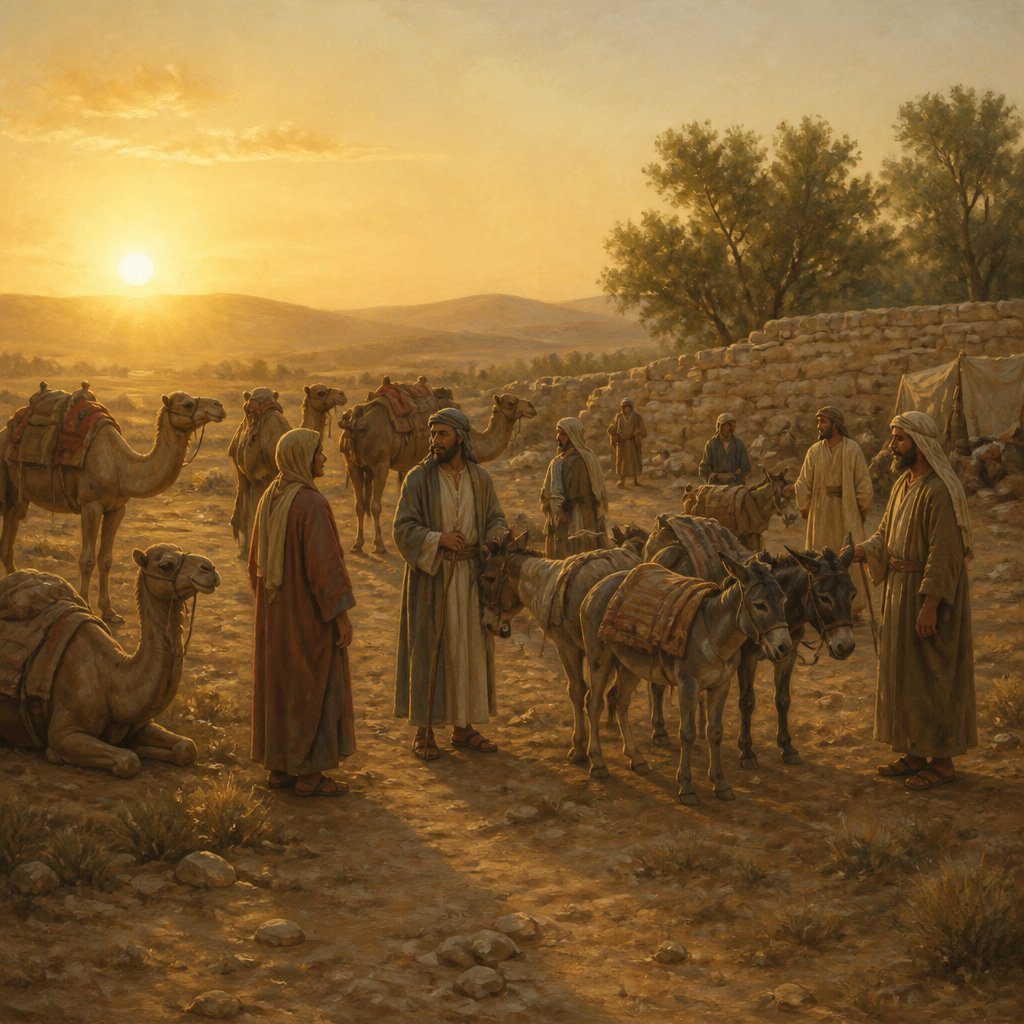
Nehemiah 7:69 (KJV) reads, "Their horses, seven hundred thirty and six: their mules, two hundred forty and five." This verse is part of a list of items and animals that were counted and recorded as the Israelites began to reestablish themselves in Jerusalem after the Babylonian exile. While on the surface, this verse may seem like a simple inventory of animals, when examined in the context of the larger story of Nehemiah, it reveals important themes of restoration, stewardship, and the importance of meticulous record-keeping.
Before delving into the meaning and significance of this particular verse, it is important to understand the historical and cultural context in which it was written. The book of Nehemiah takes place after the Babylonian exile, when the Israelites were allowed to return to Jerusalem to rebuild the city and the temple. Nehemiah, a cupbearer to the Persian king, was chosen by God to lead this monumental task. He faced opposition from neighboring enemies, but through prayer, perseverance, and wise leadership, he oversaw the rebuilding of the city walls and the renewal of the people's commitment to God's covenant.
In Nehemiah 7, the focus shifts to the organization and resettlement of the returned exiles. The chapter details a census of the people, as well as a tally of the animals and possessions they brought with them. This meticulous record-keeping reflects the care and attention to detail that Nehemiah exhibited in all aspects of his leadership. It also symbolizes the importance of stewardship and accountability, as the people were called to be good caretakers of the resources that God had entrusted to them.
Returning to Nehemiah 7:69 specifically, the enumeration of horses and mules may seem insignificant at first glance. However, the inclusion of these specific animals is significant in the larger context of the chapter. Horses and mules were valuable assets in ancient times, used for transportation, agriculture, and warfare. In listing these animals, the author of Nehemiah is emphasizing the abundance and resources that the returning exiles brought with them. This underscores the blessings and provisions of God as the people rebuilt their lives and sought to create a thriving community in Jerusalem once more.
Furthermore, the numbers themselves hold symbolic significance. In biblical numerology, the number seven often represents completeness or perfection, while the number three is associated with divine wholeness. In this verse, the seven hundred thirty-six horses and two hundred forty-five mules convey a sense of abundance and completeness in the resources that the people possessed. This abundance reflects God's faithfulness and provision for His people as they embarked on this new chapter in their history.
Another layer of meaning in this verse comes from the symbolism of horses and mules. In the Bible, horses are often associated with strength, power, and warfare, while mules are seen as steadfast and reliable beasts of burden. This imagery further underscores the resilience and determination of the returning exiles as they worked to rebuild their homeland. It also serves as a reminder of the importance of diligence and hard work in fulfilling God's calling.
In conclusion, Nehemiah 7:69 may appear to be a simple inventory of animals, but within the larger context of the book of Nehemiah, it carries rich layers of meaning. It symbolizes the abundance and completeness of God's provision, the significance of stewardship and accountability, and the resilience and diligence of His people as they sought to restore their community. This verse serves as a powerful reminder of God's faithfulness and provision, as well as a call to be diligent and faithful stewards of the resources He has entrusted to us.
Get our apps


Artwork for Nehemiah 7:69
Nehemiah 7:69 - "Their camels, four hundred thirty and five: six thousand seven hundred and twenty asses."
"Their camels, four hundred thirty and five: six thousand seven hundred and twenty asses." - Nehemiah 7:69

Numbers 7:69 - "One young bullock, one ram, one lamb of the first year, for a burnt offering:"

Psalms 69:7 - "Because for thy sake I have borne reproach; shame hath covered my face."

Nehemiah 7:7 - "Who came with Zerubbabel, Jeshua, Nehemiah, Azariah, Raamiah, Nahamani, Mordecai, Bilshan, Mispereth, Bigvai, Nehum, Baanah. The number, I say, of the men of the people of Israel was this;"

Psalms 69:7-8 - "For it is for your sake that I have borne reproach, that dishonor has covered my face. I have become a stranger to my brothers, an alien to my mother's sons."

Nehemiah 10:7 - "Meshullam, Abijah, Mijamin,"

Nehemiah 7:42 - "The children of Harim, a thousand and seventeen."

Nehemiah 7:24 - "The children of Hariph, an hundred and twelve."

Nehemiah 7:56 - "The children of Neziah, the children of Hatipha."
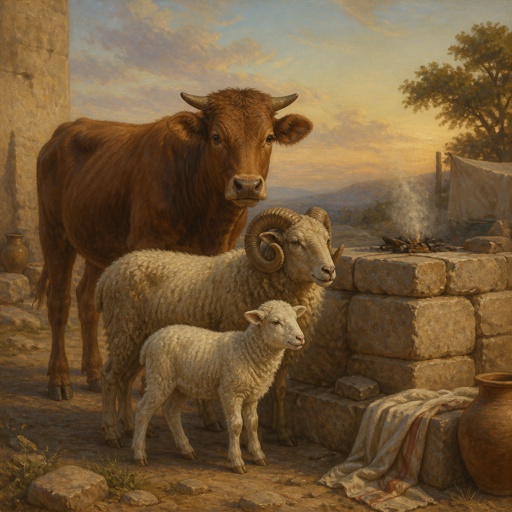
"One young bullock, one ram, one lamb of the first year, for a burnt offering:" - Numbers 7:69

Nehemiah 7:25 - "The children of Gibeon, ninety and five."

Nehemiah 7:40 - "The children of Immer, a thousand fifty and two."

Nehemiah 7:31 - "The men of Michmas, an hundred and twenty and two."

Nehemiah 7:33 - "The men of the other Nebo, fifty and two."

Nehemiah 7:28 - "The men of Beth-azmaveth, forty and two."

Nehemiah 7:21 - "The children of Ater of Hezekiah, ninety and eight."

Nehemiah 7:14 - "The children of Zaccai, seven hundred and threescore."

Nehemiah 7:27 - "The men of Anathoth, an hundred twenty and eight."

Nehemiah 7:35 - "The children of Harim, three hundred and twenty."
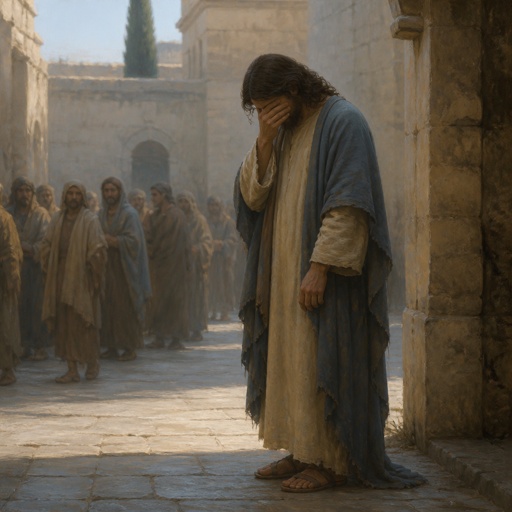
"Because for thy sake I have borne reproach; shame hath covered my face." - Psalms 69:7

Nehemiah 7:16 - "The children of Bebai, six hundred twenty and eight."

Nehemiah 7:58 - "The children of Jaala, the children of Darkon, the children of Giddel,"

Nehemiah 7:9 - "The children of Shephatiah, three hundred seventy and two."

Nehemiah 7:48 - "The children of Lebana, the children of Hagaba, the children of Shalmai,"

Nehemiah 7:15 - "The children of Binnui, six hundred forty and eight."

Nehemiah 7:19 - "The children of Bigvai, two thousand threescore and seven."

Nehemiah 7:44 - "¶ The singers: the children of Asaph, an hundred forty and eight."

Nehemiah 7:13 - "The children of Zattu, eight hundred forty and five."

Nehemiah 7:18 - "The children of Adonikam, six hundred threescore and seven."