What does Numbers 11:28 mean?
“And Joshua the son of Nun, the servant of Moses, one of his young men, answered and said, My lord Moses, forbid them.” — Numbers 11:28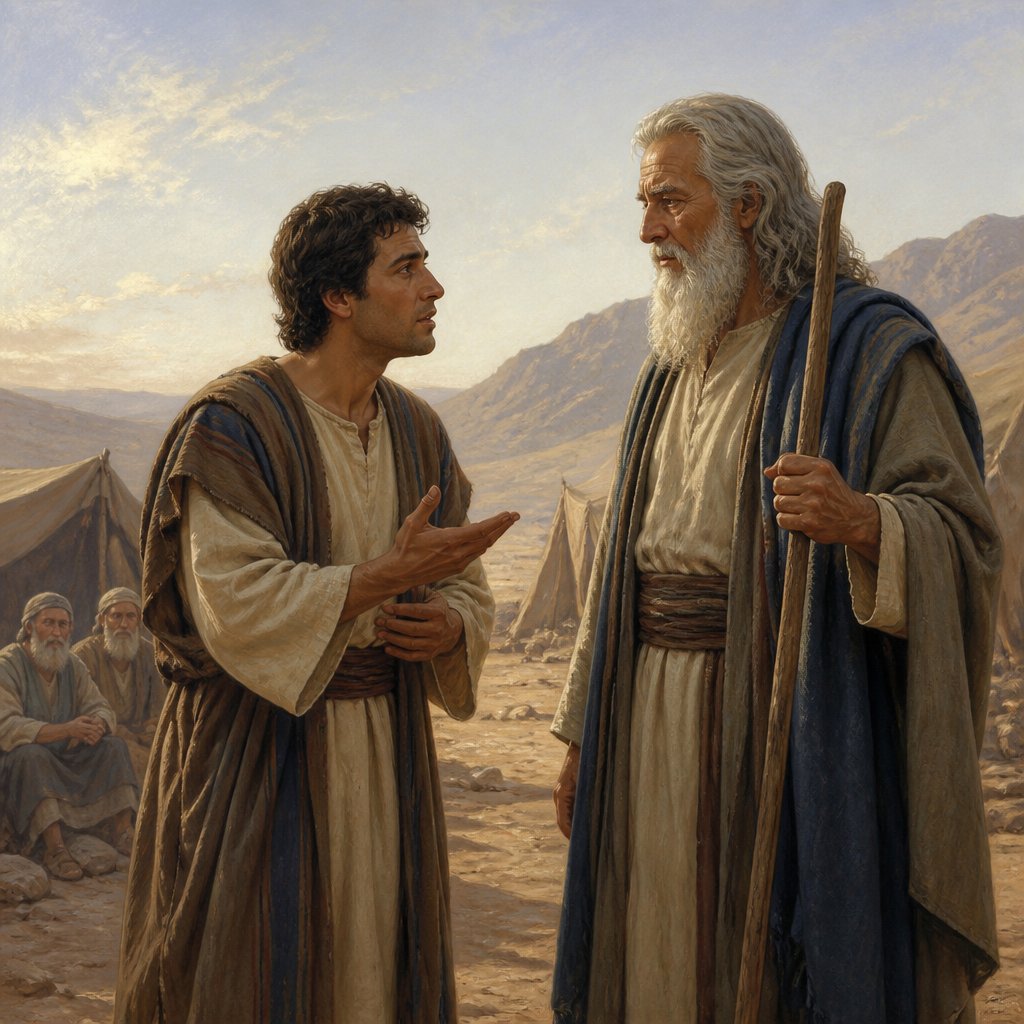
Numbers 11:28 in the King James Version reads, "And Joshua the son of Nun, the servant of Moses, one of his young men, answered and said, My lord Moses, forbid them."
This verse is part of a larger passage that describes the Israelites' journey through the wilderness after their deliverance from slavery in Egypt. As they traveled, they became dissatisfied with the manna that God provided for them to eat and began to complain. Moses, feeling the weight of the people's grumbling, cried out to God for help. In response, God promised to provide the people with meat to eat for a whole month, but Moses doubted that this was possible, given the vast number of people in the camp. God then told Moses that He would give the people meat to eat, and Moses, expressing his exhaustion and frustration, asked God, "Wherefore hast thou afflicted thy servant? and wherefore have I not found favour in thy sight, that thou layest the burden of all this people upon me?" (Numbers 11:11, KJV). In response, God appointed seventy elders to assist Moses in leading the people.
In verse 25, the Lord came down in a cloud and spoke to Moses, taking some of the Spirit that was on Moses and putting it on the seventy elders. When the Spirit rested on them, they prophesied, but not in a continued and permanent manner. However, two men, Eldad and Medad, who were among the seventy appointed elders, did not go out to the tabernacle but remained in the camp. Nevertheless, the Spirit rested on them, and they prophesied in the camp.
When this was brought to the attention of Joshua, the son of Nun, he was concerned about Eldad and Medad prophesying in the camp, feeling that they were overstepping their bounds. He came to Moses and said, "My lord Moses, forbid them" (Numbers 11:28, KJV). Joshua's concern shows his desire for order and propriety in matters of leadership and governance.
Moses' response to Joshua's concern reveals his humility and desire for all of God's people to experience His blessing and favor. He said, "Enviest thou for my sake? would God that all the Lord's people were prophets, and that the Lord would put his spirit upon them!" (Numbers 11:29, KJV). Essentially, Moses was saying that he did not feel threatened by Eldad and Medad prophesying in the camp; rather, he wished that all of God's people could experience the gift of prophecy and the blessing of the Spirit of the Lord.
This passage contains several themes that are relevant to the Christian faith and the human experience. First, it illustrates the faithfulness and provision of God. Despite the Israelites' complaining and lack of trust, God continued to provide for their needs. The promise of meat in the wilderness was a demonstration of God's faithfulness to His people, even in the midst of their doubt and disobedience. This can serve as a reminder to believers that God is always faithful, even when we are not.
Another theme found in this passage is the concept of leadership and authority. Moses was a humble and compassionate leader who was burdened by the responsibility of caring for the people under his charge. The appointment of the seventy elders to assist him was a demonstration of God's provision for leadership and the importance of shared responsibility within the community of faith. Additionally, Joshua's concern about Eldad and Medad prophesying in the camp raises the question of proper authority and order within the community. Moses' response emphasizes the importance of humility and the desire for all believers to experience the presence and blessing of God in their lives.
Finally, the passage speaks to the universal nature of God's gifts and blessings. Moses' desire for all of God's people to be prophets and to experience the outpouring of the Spirit reflects a vision of God's abundant grace and favor for all people. This can serve as a reminder to believers that God's gifts and blessings are not limited to a select few, but are available to all who seek Him with a humble and open heart.
In terms of symbolism, the appointment of the seventy elders and the outpouring of the Spirit on them can be seen as a foreshadowing of the coming of the Holy Spirit at Pentecost in the New Testament. The Spirit's presence and empowerment of the elders prefigure the coming of the Holy Spirit to indwell and empower all believers after the death and resurrection of Jesus Christ. This passage can therefore serve as a reminder of the ongoing work of the Spirit in the lives of believers and the universal nature of God's blessing and favor.
In conclusion, Numbers 11:28 in the King James Version contains a wealth of meaning and insight for believers. It presents themes of faithfulness, leadership, authority, and the universal nature of God's gifts and blessings. The passage also holds symbolic significance in pointing to the coming of the Holy Spirit in the New Testament. Overall, it is a rich and thought-provoking passage that offers valuable lessons for the Christian faith and the human experience.
Get our apps


Artwork for Numbers 11:28

Numbers 11:28 - "And Joshua the son of Nun, the servant of Moses, one of his young men, answered and said, My lord Moses, forbid them."
"And Joshua the son of Nun, the servant of Moses, one of his young men, answered and said, My lord Moses, forbid them." - Numbers 11:28
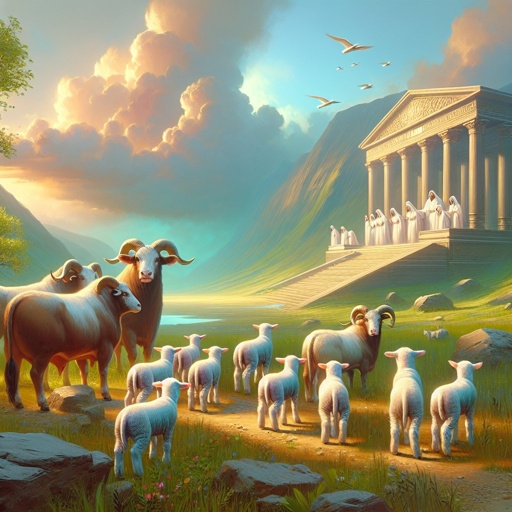
Numbers 28:11 - "¶ And in the beginnings of your months ye shall offer a burnt offering unto the LORD; two young bullocks, and one ram, seven lambs of the first year without spot;"

Numbers 11. 4 to 6

Numbers 28:1 - "And the LORD spake unto Moses, saying,"

Numbers 33:28 - "And they removed from Tarah, and pitched in Mithcah."

Numbers 7:28 - "One kid of the goats for a sin offering:"

"¶ Come unto me, all ye that labour and are heavy laden, and I will give you rest." - Matthew 11:28

Numbers 28:16 - "And in the fourteenth day of the first month is the passover of the LORD."

Numbers 28:30 - "And one kid of the goats, to make an atonement for you."

Numbers 28:28 - "And their meat offering of flour mingled with oil, three tenth deals unto one bullock, two tenth deals unto one ram,"

Ezekiel 28:11-19

Ezekiel 28:11-19

Ezekiel 28:11-19

Ezekiel 28:11-19

Ezekiel 28:11-19

Ezekiel 28:11-19

Numbers 34:28 - "And the prince of the tribe of the children of Naphtali, Pedahel the son of Ammihud."

Numbers 28:22 - "And one goat for a sin offering, to make an atonement for you."

Numbers 26:28 - "¶ The sons of Joseph after their families were Manasseh and Ephraim."

Numbers 28:29 - "A several tenth deal unto one lamb, throughout the seven lambs;"
Numbers 11

Genesis 28-11

Matthew 28:11

Ephesians 2:8-9

Numbers 5:28 - "And if the woman be not defiled, but be clean; then she shall be free, and shall conceive seed."

ephesians 2 8-9

Numbers 23:28 - "And Balak brought Balaam unto the top of Peor, that looketh toward Jeshimon."

Numbers 2:28 - "And his host, and those that were numbered of them, were forty and one thousand and five hundred."

Numbers 11:17