What does Numbers 15:15 mean?
“One ordinance shall be both for you of the congregation, and also for the stranger that sojourneth with you, an ordinance for ever in your generations: as ye are, so shall the stranger be before the LORD.” — Numbers 15:15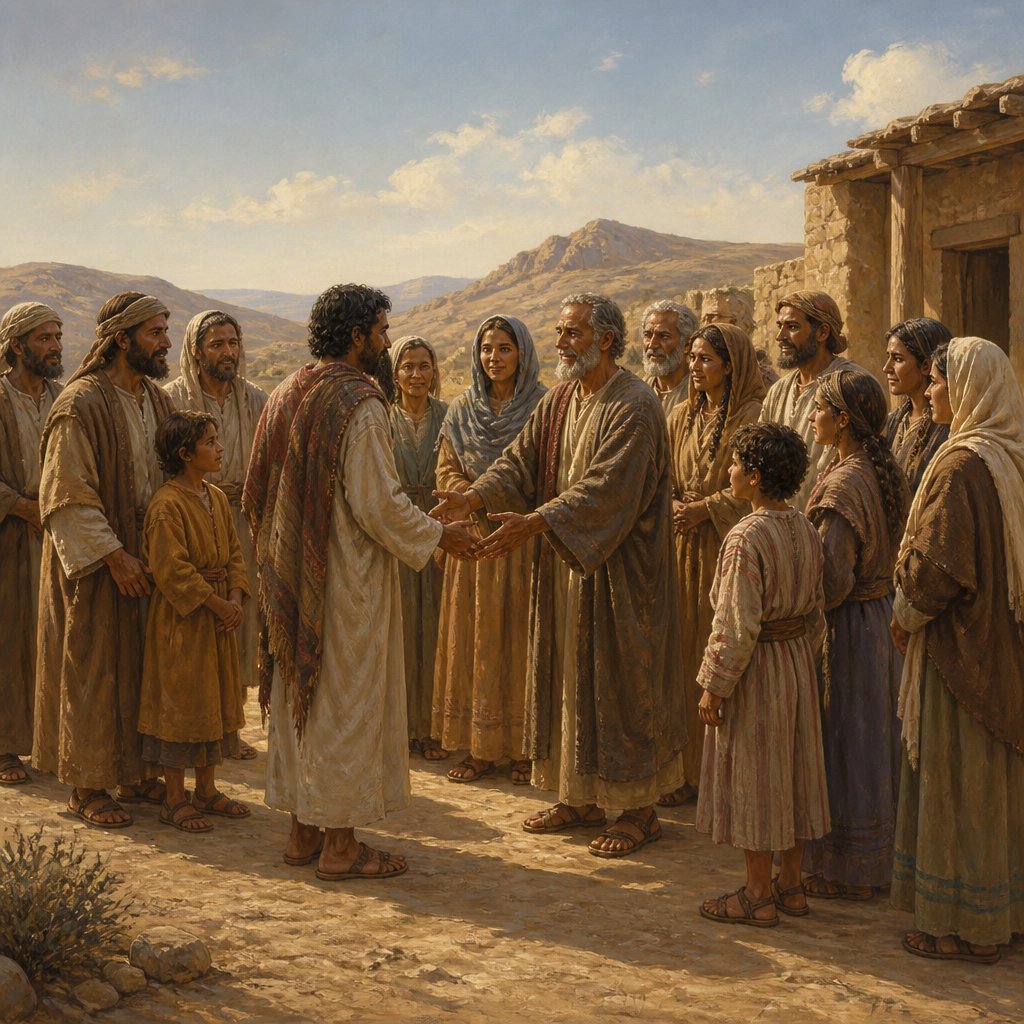
The verse Numbers 15:15 from the King James Version of the Bible reads as follows: "One ordinance shall be both for you of the congregation, and also for the stranger that sojourneth with you, an ordinance for ever in your generations: as ye are, so shall the stranger be before the Lord."
This verse is part of the book of Numbers, which is the fourth book of the Torah and the Old Testament. It is a book of legal texts and census data, and it tells the story of the Israelites as they journey through the wilderness on their way to the promised land. The specific context of this verse is in a larger section about offerings and sacrifices, and it emphasizes the equal treatment of all people in the eyes of God.
The theme of equality and justice is central to this verse. It speaks to the idea that all people, whether they are part of the Israelite community or foreigners living among them, are subject to the same laws and expectations. In a society where different groups of people might be treated differently, this verse affirms the idea that all are equal in the eyes of God and should be treated as such. This theme is echoed in other parts of the Bible, such as Galatians 3:28 which states, "There is neither Jew nor Greek, there is neither bond nor free, there is neither male nor female: for ye are all one in Christ Jesus."
The context of this verse is important to understand its significance. In ancient Israelite society, foreigners or sojourners were not always afforded the same rights and privileges as members of the community. They may have been seen as outsiders or even enemies. However, this verse challenges that mindset by stating that the same ordinance applies to both the congregation and the sojourner. This demonstrates a remarkable level of inclusivity and hospitality, especially when considering the historical context in which it was written.
Furthermore, the concept of "an ordinance for ever in your generations" emphasizes the enduring and timeless nature of this principle. It is not a temporary or situational rule, but rather a fundamental aspect of the Israelite community's relationship with God. This suggests that the value of equality and fair treatment of all people is not limited to a particular time or place, but is universally applicable.
The symbolism in this verse relates to the broader themes of inclusion and justice. The congregation represents the established community, while the stranger represents those who are outside of that community. By equating the treatment of both groups, the verse symbolizes the leveling of social hierarchies and the breaking down of barriers between different groups of people. This symbolism is significant not only in the context of ancient Israel but also in the broader human experience, as it speaks to the importance of recognizing the humanity and dignity of all individuals, regardless of their background or status.
In conclusion, Numbers 15:15 from the King James Version of the Bible conveys a powerful message about equality, inclusivity, and justice. It challenges the norms of its time by asserting that all people, regardless of their social standing or background, are to be treated equally in the eyes of God. This principle is not limited to a particular time or culture but is intended to be an enduring and universal truth. It serves as a reminder of the fundamental values of compassion and fairness that are central to many religious traditions.
Get our apps


Artwork for Numbers 15:15

Numbers 15:15 - "One ordinance shall be both for you of the congregation, and also for the stranger that sojourneth with you, an ordinance for ever in your generations: as ye are, so shall the stranger be before the LORD."

Numbers 15:15-16 - "The community is to have the same rules for you and for the foreigner residing among you; this is a lasting ordinance for the generations to come. You and the foreigner shall be the same before the Lord: The same laws and regulations will apply both to you and to the foreigner residing among you."
"One ordinance shall be both for you of the congregation, and also for the stranger that sojourneth with you, an ordinance for ever in your generations: as ye are, so shall the stranger be before the LORD." - Numbers 15:15
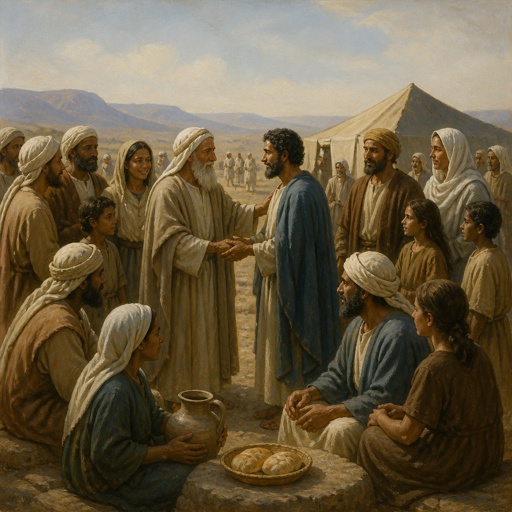
"The community is to have the same rules for you and for the foreigner residing among you; this is a lasting ordinance for the generations to come. You and the foreigner shall be the same before the Lord: The same laws and regulations will apply both to you and to the foreigner residing among you." - Numbers 15:15-16

Numbers 11:15

Numbers 12 15

Numbers 1:15 - "Of Naphtali; Ahira the son of Enan."

numbers 31:14-15

Numbers 27:15 - "¶ And Moses spake unto the LORD, saying,"

Numbers 15:17 - "¶ And the LORD spake unto Moses, saying,"

Numbers 15:37 - "¶ And the LORD spake unto Moses, saying,"

Numbers 13:15 - "Of the tribe of Gad, Geuel the son of Machi."

Numbers 15:1 - "And the LORD spake unto Moses, saying,"

Numbers 33:15 - "And they departed from Rephidim, and pitched in the wilderness of Sinai."

Numbers 29:15 - "And a several tenth deal to each lamb of the fourteen lambs:"

Numbers 10:15 - "And over the host of the tribe of the children of Issachar was Nethaneel the son of Zuar."

Numbers 15:11 - "Thus shall it be done for one bullock, or for one ram, or for a lamb, or a kid."

Numbers 15:16 - "One law and one manner shall be for you, and for the stranger that sojourneth with you."

Numbers 15:34 - "And they put him in ward, because it was not declared what should be done to him."

Numbers 19:15 - "And every open vessel, which hath no covering bound upon it, is unclean."

Numbers 22:15 - "¶ And Balak sent yet again princes, more, and more honourable than they."

"Of Naphtali; Ahira the son of Enan." - Numbers 1:15

Numbers 15:12 - "According to the number that ye shall prepare, so shall ye do to every one according to their number."

Numbers 2:15 - "And his host, and those that were numbered of them, were forty and five thousand and six hundred and fifty."

Proverbs 1:5

Proverbs 1:5

Proverbs 1:5

Proverbs 1:5

Proverbs 1:5

Genesis 1:5