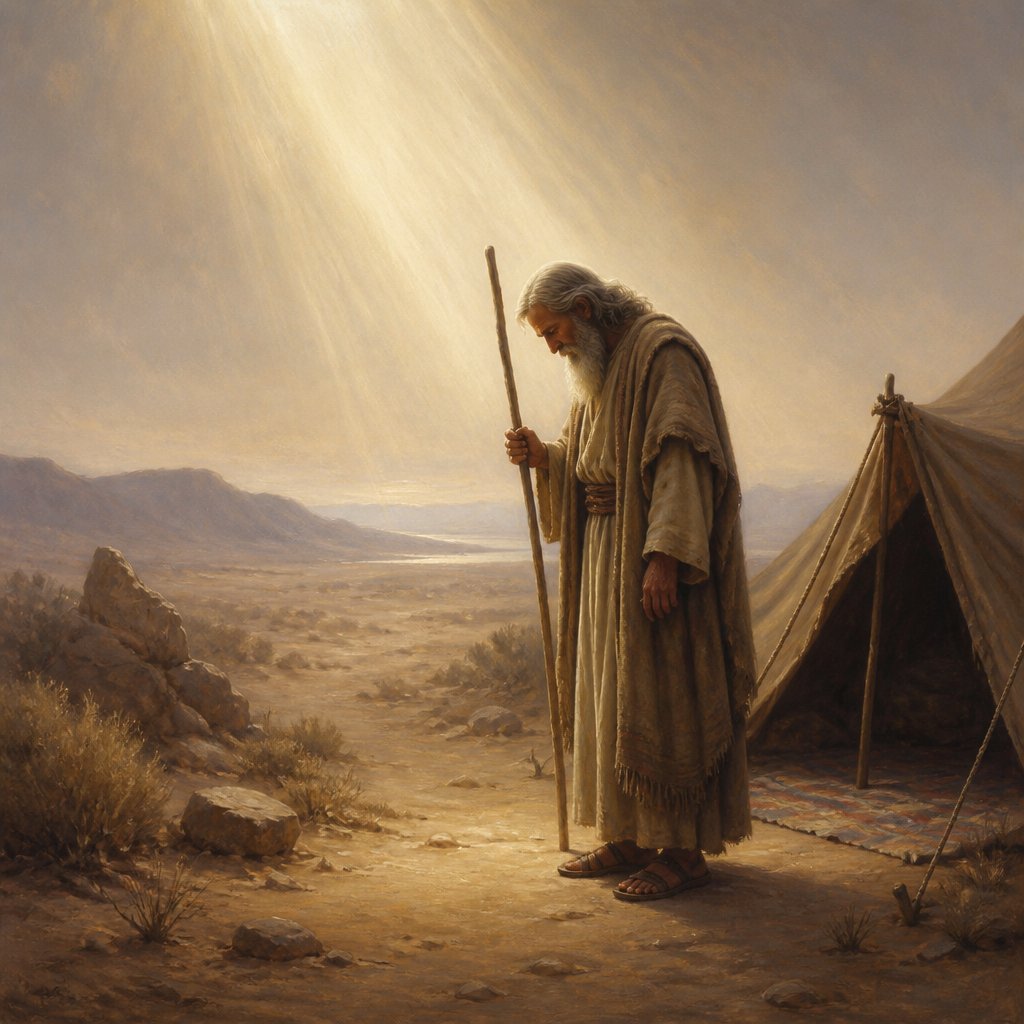
Numbers 15:37 (KJV) states:
"And the Lord spake unto Moses, saying,"
This verse is short and simple, yet it carries a weight of importance and significance. In the larger context of the book of Numbers, this verse is situated within a section of laws and regulations that the Lord delivers to Moses for the Israelites to follow. These laws cover various aspects of religious and moral conduct, and they are meant to guide the Israelites in their daily lives and in their relationship with God.
The book of Numbers is set during the time of the Israelites' journey through the wilderness, after they have been liberated from slavery in Egypt. This period of wandering is a time of testing and preparation for the Israelites, as they learn to trust in God's provision and guidance. The laws and regulations given to them by the Lord through Moses serve to shape them into a holy and obedient people.
In Numbers 15, the Lord gives specific instructions regarding the Israelites' use of fringes on the borders of their garments. Verse 38 goes on to say, "Speak unto the children of Israel, and bid them that they make them fringes in the borders of their garments throughout their generations, and that they put upon the fringe of the borders a ribband of blue." This seemingly mundane commandment carries with it deep symbolic significance and serves as a reminder for the Israelites to keep the commandments of the Lord.
The use of fringes on garments was a common practice in the ancient Near East, but in this context, the Lord gives it a specific meaning for the Israelites. The fringes are to serve as a visual reminder for the Israelites to keep the commandments of the Lord and not to follow their own hearts and eyes, which can lead them astray (verse 39). The ribband of blue woven into the fringes serves as a reminder of the commandments, and the color blue is associated with the heavenly realm and the divine presence.
The overarching theme of obedience and holiness is prevalent throughout this passage. By obeying the commandment to wear fringes on their garments, the Israelites demonstrate their commitment to following the Lord's instructions and living in accordance with His will. This act of obedience is not simply about outward appearance; it is a tangible expression of the Israelites' devotion to the Lord and their desire to remain faithful to His commandments.
The symbolism of the fringes also extends to the idea of separation and distinction. By wearing these fringes, the Israelites set themselves apart as a chosen and holy people, dedicated to serving the Lord. This physical mark of distinction serves as a constant reminder for the Israelites to live lives of holiness and obedience, even in the midst of a culture that may be contrary to the ways of the Lord.
In a broader sense, the commandment to wear fringes on their garments serves as a sign of the covenant relationship between the Israelites and the Lord. Just as a wedding ring symbolizes the bond between a husband and wife, the fringes on the Israelites' garments symbolize their commitment to the covenant they have entered into with the Lord. This covenantal relationship is based on mutual faithfulness and obedience, and the fringes serve as a visible testimony to this bond.
The imagery of the fringes also points to the concept of mindfulness and remembrance. As the Israelites go about their daily lives, the fringes on their garments serve as a constant reminder to keep the commandments of the Lord at the forefront of their minds. In this way, the fringes become a physical expression of the Israelites' desire to honor and remember the Lord in all that they do.
In conclusion, Numbers 15:37, along with the following verses, illustrates the depth of meaning and symbolism embedded in the commandment for the Israelites to wear fringes on their garments. This seemingly simple act of obedience carries profound significance in terms of the Israelites' relationship with the Lord, their commitment to His commandments, and their identity as a holy and chosen people. The fringes serve as a visible reminder for the Israelites to live lives of obedience, separation, and remembrance, all of which are essential aspects of their covenant relationship with the Lord.
Get our apps


Artwork for Numbers 15:37

Numbers 15:37 - "¶ And the LORD spake unto Moses, saying,"

"¶ And the LORD spake unto Moses, saying," - Numbers 15:37

Numbers 32:37 - "And the children of Reuben built Heshbon, and Elealeh, and Kirjathaim,"

Numbers 3:37 - "And the pillars of the court round about, and their sockets, and their pins, and their cords."

Numbers 31:37 - "And the LORD'S tribute of the sheep was six hundred and threescore and fifteen."

Joshua 15:37 - "Zenan, and Hadashah, and Migdal-gad,"

Numbers 33:37 - "And they removed from Kadesh, and pitched in mount Hor, in the edge of the land of Edom."

Numbers 29:37 - "Their meat offering and their drink offerings for the bullock, for the ram, and for the lambs, shall be according to their number, after the manner:"

Isaiah 37:15 - "And Hezekiah prayed unto the LORD, saying,"

Numbers 1:37 - "Those that were numbered of them, even of the tribe of Benjamin, were thirty and five thousand and four hundred."

Ezekiel 37:15 - "¶ The word of the LORD came again unto me, saying,"

Mark 15:37 - "And Jesus cried with a loud voice, and gave up the ghost."

Psalms 37:15 - "Their sword shall enter into their own heart, and their bows shall be broken."

Acts 15:37 - "And Barnabas determined to take with them John, whose surname was Mark."

Numbers 14:37 - "Even those men that did bring up the evil report upon the land, died by the plague before the LORD."

"And the children of Reuben built Heshbon, and Elealeh, and Kirjathaim," - Numbers 32:37

Numbers 26:37 - "These are the families of the sons of Ephraim according to those that were numbered of them, thirty and two thousand and five hundred. These are the sons of Joseph after their families."

"Zenan, and Hadashah, and Migdal-gad," - Joshua 15:37

2 Samuel 15:37 - "So Hushai David's friend came into the city, and Absalom came into Jerusalem."

Exodus 37:15 - "And he made the staves of shittim wood, and overlaid them with gold, to bear the table."

"And the LORD'S tribute of the sheep was six hundred and threescore and fifteen." - Numbers 31:37
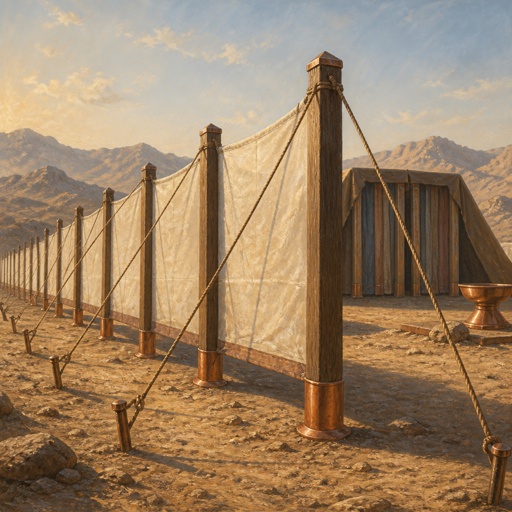
"And the pillars of the court round about, and their sockets, and their pins, and their cords." - Numbers 3:37

Numbers 12 15

Numbers 11:15

Numbers 4:37 - "These were they that were numbered of the families of the Kohathites, all that might do service in the tabernacle of the congregation, which Moses and Aaron did number according to the commandment of the LORD by the hand of Moses."

Job 37:15 - "Dost thou know when God disposed them, and caused the light of his cloud to shine?"

"And Hezekiah prayed unto the LORD, saying," - Isaiah 37:15

Numbers 16:37 - "Speak unto Eleazar the son of Aaron the priest, that he take up the censers out of the burning, and scatter thou the fire yonder; for they are hallowed."

Matthew 15:37 - "And they did all eat, and were filled: and they took up of the broken meat that was left seven baskets full."

Numbers 1:15 - "Of Naphtali; Ahira the son of Enan."