What does Numbers 16:12 mean?
“And Moses sent to call Dathan and Abiram, the sons of Eliab: which said, We will not come up:” — Numbers 16:12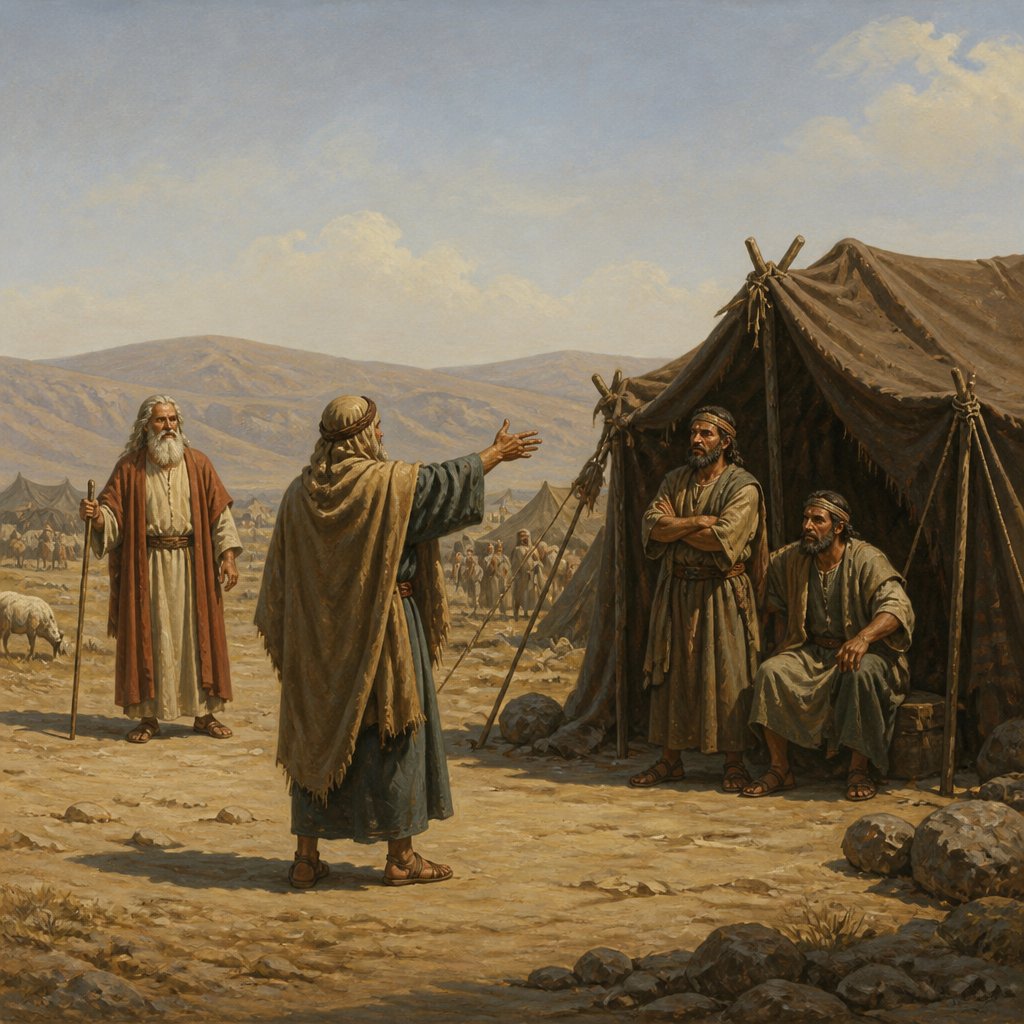
Numbers 16:12 in the King James Version of the Bible reads, "And Moses sent to call Dathan and Abiram, the sons of Eliab: which said, We will not come up." This verse is part of the larger story of Korah's rebellion, which takes place during the Israelites' wanderings in the wilderness.
In order to fully understand the significance of this verse, it's important to first provide some context. The book of Numbers tells the story of the Israelites' journey from Mount Sinai to the border of the Promised Land. Throughout their journey, the Israelites faced numerous challenges, including murmuring and rebellion against their leaders. One of the most significant acts of rebellion is recorded in Numbers 16, in which Korah, Dathan, Abiram, and 250 other prominent Israelites rise up against the authority of Moses and Aaron.
In Numbers 16:12, Moses summons Dathan and Abiram, the sons of Eliab, in an attempt to quell their rebellion. However, their response is defiant and insubordinate, as they declare, "We will not come up." This refusal to heed Moses' call represents a direct challenge to his authority and sets the stage for the subsequent events in the story.
This verse speaks to the themes of rebellion, disobedience, and the consequences of challenging divine authority. Throughout the Bible, rebellion against God's chosen leaders is consistently met with severe judgment. In this particular instance, the rebellion of Dathan and Abiram ultimately leads to their downfall, as the earth opens up and swallows them along with their families and all their possessions (Numbers 16:31-33). This dramatic and decisive punishment serves as a sobering reminder of the consequences of defying God's appointed leaders.
In a broader sense, this passage also emphasizes the importance of submission and obedience to divine authority. The Israelites' journey through the wilderness serves as a powerful metaphor for the Christian life, and the rebellion of Dathan and Abiram serves as a cautionary tale for believers. Throughout the Bible, we are called to submit to God's appointed leaders and to respect the authority that He has established. The consequences of rebellion are made clear in this story, and it serves as a stark reminder of the dangers of pride and defiance.
Symbolically, the refusal of Dathan and Abiram to come up at Moses' call can be seen as a rejection of the divine plan and a refusal to participate in the journey towards the Promised Land. This refusal ultimately leads to their destruction, highlighting the importance of embracing God's plan and following His appointed leaders. In this sense, the story serves as a powerful reminder of the need for humble submission and obedience to God's will.
In conclusion, Numbers 16:12 is a pivotal verse within the larger story of Korah's rebellion, and it highlights the themes of rebellion, disobedience, and the consequences of challenging divine authority. This passage serves as a cautionary tale for believers, emphasizing the importance of submitting to God's appointed leaders and following His divine plan. The defiant response of Dathan and Abiram ultimately leads to their downfall, serving as a sobering reminder of the dangers of pride and rebellion. This verse serves as a powerful reminder of the need for humble submission and obedience to God's will, and it holds valuable lessons for believers today.
Get our apps


Artwork for Numbers 16:12

Numbers 16:12 - "¶ And Moses sent to call Dathan and Abiram, the sons of Eliab: which said, We will not come up:"
"¶ And Moses sent to call Dathan and Abiram, the sons of Eliab: which said, We will not come up:" - Numbers 16:12

Numbers 12:16 - "And afterward the people removed from Hazeroth, and pitched in the wilderness of Paran."

create a mosaic that depicts numbers 8:1 to 12:16 do not show words
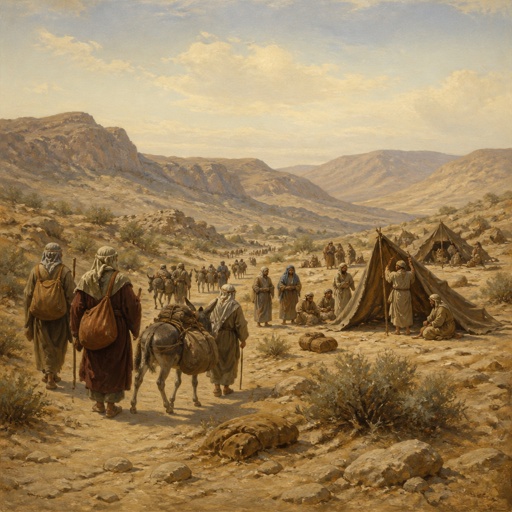
"And afterward the people removed from Hazeroth, and pitched in the wilderness of Paran." - Numbers 12:16

Numbers 16:18

Numbers 11:16-26
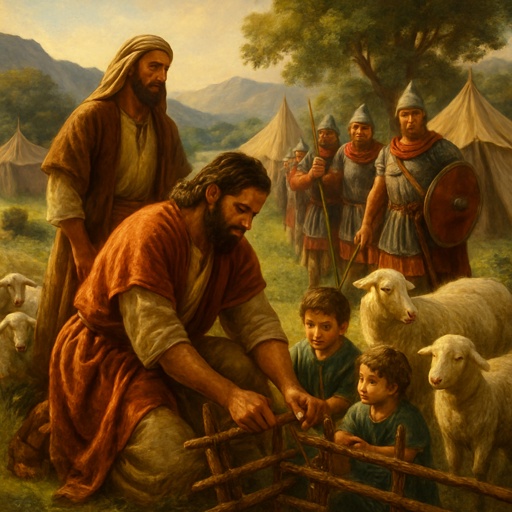
Numbers 32:16-18
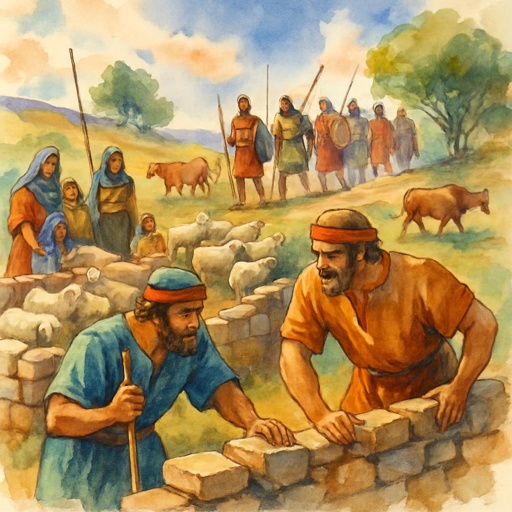
Numbers 32:16-18

Numbers 12 15

Numbers 16:16 - "And Moses said unto Korah, Be thou and all thy company before the LORD, thou, and they, and Aaron, to morrow:"

Numbers 25:16 - "¶ And the LORD spake unto Moses, saying,"

Numbers 7:16 - "One kid of the goats for a sin offering:"

Numbers 34:16 - "And the LORD spake unto Moses, saying,"

Numbers 3:16 - "And Moses numbered them according to the word of the LORD, as he was commanded."

In Numbers 12, Miriam and Aaron

Numbers 16:36 - "¶ And the LORD spake unto Moses, saying,"

Numbers 16:23 - "¶ And the LORD spake unto Moses, saying,"

Numbers 16:44 - "¶ And the LORD spake unto Moses, saying,"

Numbers 16:43 - "And Moses and Aaron came before the tabernacle of the congregation."

Numbers 26:16 - "Of Ozni, the family of the Oznites: of Eri, the family of the Erites:"

Numbers 28:16 - "And in the fourteenth day of the first month is the passover of the LORD."

Numbers 1:12 - "Of Dan; Ahiezer the son of Ammishaddai."

Numbers 16:20 - "And the LORD spake unto Moses and unto Aaron, saying,"

Numbers 16:48 - "And he stood between the dead and the living; and the plague was stayed."
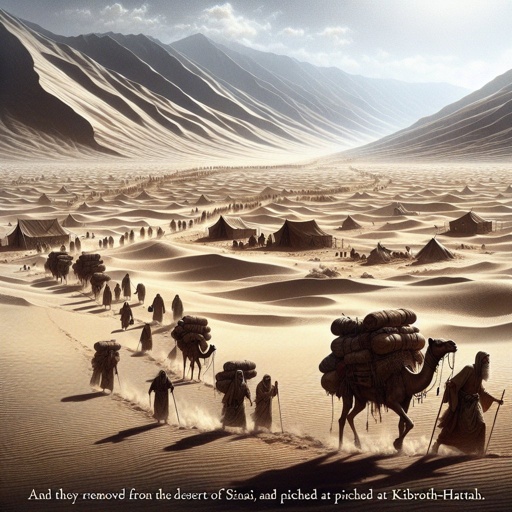
Numbers 33:16 - "And they removed from the desert of Sinai, and pitched at Kibroth-hattaavah."

Numbers 13:12 - "Of the tribe of Dan, Ammiel the son of Gemalli."

Be hostile to the medianites numbers 25:16-18

Numbers 12:12 - "Let her not be as one dead, of whom the flesh is half consumed when he cometh out of his mother's womb."

Numbers 10:16 - "And over the host of the tribe of the children of Zebulun was Eliab the son of Helon."