What does Numbers 19:13 mean?
“Whosoever toucheth the dead body of any man that is dead, and purifieth not himself, defileth the tabernacle of the LORD; and that soul shall be cut off from Israel: because the water of separation was not sprinkled upon him, he shall be unclean; his uncleanness is yet upon him.” — Numbers 19:13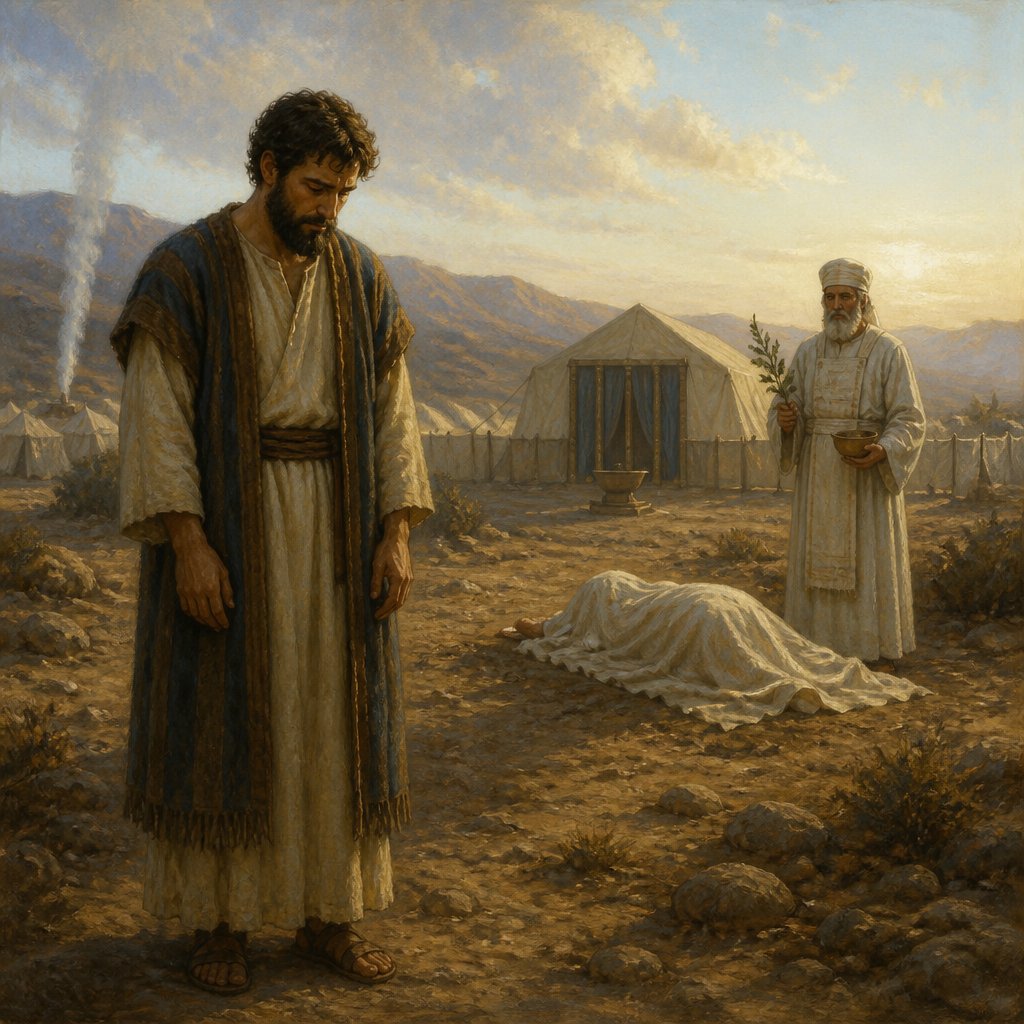
Numbers 19:13 (KJV) states, "Whosoever toucheth the dead body of any man that is dead, and purifieth not himself, defileth the tabernacle of the Lord; and that soul shall be cut off from Israel: because the water of separation was not sprinkled upon him, he shall be unclean; his uncleanness is yet upon him."
This verse is part of the Old Testament book of Numbers, which contains detailed instructions for the Israelites regarding various aspects of their religious and practical lives. In this particular passage, the focus is on the purification rituals required for those who come into contact with a dead body. The consequences for failing to observe these rituals are severe, as the person who does not purify themselves is seen as defiling the tabernacle of the Lord and is to be cut off from the community of Israel.
The themes present in this verse include the importance of ritual purity, the reverence for the tabernacle as the dwelling place of God, and the concept of community and communal responsibility. The verse reflects the belief that the physical and spiritual realms are intimately connected, and that actions in the physical realm can have spiritual implications.
The context of this verse is significant in understanding its meaning. In ancient Israelite society, death was considered to be a source of ritual impurity. Contact with a dead body was believed to require a specific cleansing process in order to restore purity and maintain a harmonious relationship with God and the community. This emphasis on purity and cleanliness was central to the religious beliefs and practices of the Israelites, and is evident throughout the Old Testament.
The symbolism in this verse is multi-layered. The dead body represents the ultimate symbol of impurity, as it is associated with decay and mortality. The purification ritual serves as a means of transcending this impurity and reconnecting with the divine. The water of separation mentioned in the verse symbolizes the cleansing and purifying power of water, which is a common motif in many religious traditions. The tabernacle of the Lord symbolizes the sacred space where the presence of God dwells among the people, and it is to be kept pure and undefiled.
The consequences outlined in the verse serve to underscore the seriousness of maintaining ritual purity. Being cut off from the community of Israel was a grave punishment, as it meant being excluded from the religious, social, and economic life of the community. This reflects the importance of communal solidarity and the shared responsibility for upholding religious practices and beliefs.
In a broader theological sense, this verse can also be seen as a reminder of the concept of spiritual cleanliness and the need for repentance and forgiveness. The idea of being made unclean by contact with death can be interpreted symbolically to represent the contamination of sin and the need for spiritual purification. This ties into the broader themes of atonement and the need to reconcile with God and the community.
In conclusion, Numbers 19:13 (KJV) is a verse that addresses the importance of ritual purity in the context of ancient Israelite religious practices. It emphasizes the need for maintaining cleanliness and reverence for the sacred, as well as the consequences of failing to do so. The verse carries symbolic significance in its representation of spiritual and physical purity, and serves as a reminder of the communal responsibility for upholding religious practices and beliefs.
Get our apps


Artwork for Numbers 19:13
Numbers 19:13 - "Whosoever toucheth the dead body of any man that is dead, and purifieth not himself, defileth the tabernacle of the LORD; and that soul shall be cut off from Israel: because the water of separation was not sprinkled upon him, he shall be unclean; his uncleanness is yet upon him."
"Whosoever toucheth the dead body of any man that is dead, and purifieth not himself, defileth the tabernacle of the LORD; and that soul shall be cut off from Israel: because the water of separation was not sprinkled upon him, he shall be unclean; his uncleanness is yet upon him." - Numbers 19:13

Numbers 13:19 - "And what the land is that they dwell in, whether it be good or bad; and what cities they be that they dwell in, whether in tents, or in strong holds;"
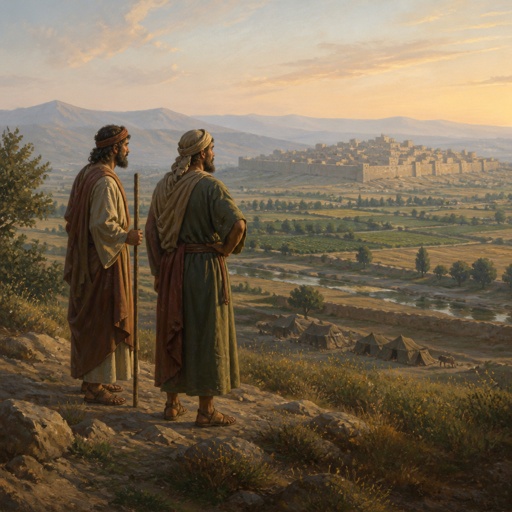
"And what the land is that they dwell in, whether it be good or bad; and what cities they be that they dwell in, whether in tents, or in strong holds;" - Numbers 13:19

Numbers 13:13 - "Of the tribe of Asher, Sethur the son of Michael."

Numbers 19:14-19 Touching a dead is unclean

Numbers 1:19 - "As the LORD commanded Moses, so he numbered them in the wilderness of Sinai."

Numbers 21:19 - "And from Mattanah to Nahaliel: and from Nahaliel to Bamoth:"

Luke 13:18-19

Luke 13:18-19

Numbers 33:19 - "And they departed from Rithmah, and pitched at Rimmon-parez."

Numbers 23:1-13

"Of the tribe of Asher, Sethur the son of Michael." - Numbers 13:13

Numbers 1:13 - "Of Asher; Pagiel the son of Ocran."

Numbers 3:19 - "And the sons of Kohath by their families; Amram, and Izehar, Hebron, and Uzziel."

Numbers 34:19 - "And the names of the men are these: Of the tribe of Judah, Caleb the son of Jephunneh."

Numbers 19:1 - "And the LORD spake unto Moses and unto Aaron, saying,"

Genesis 19-13

Numbers 2:19 - "And his host, and those that were numbered of them, were forty thousand and five hundred."

Numbers 13:6 - "Of the tribe of Judah, Caleb the son of Jephunneh."

Numbers 13:10 - "Of the tribe of Zebulun, Gaddiel the son of Sodi."

Numbers 33:13 - "And they departed from Dophkah, and encamped in Alush."

Numbers 13:8 - "Of the tribe of Ephraim, Oshea the son of Nun."

Numbers 13:9 - "Of the tribe of Benjamin, Palti the son of Raphu."

Numbers 13:5 - "Of the tribe of Simeon, Shaphat the son of Hori."

Numbers 13:1 - "And the LORD spake unto Moses, saying,"

Numbers 13:15 - "Of the tribe of Gad, Geuel the son of Machi."

Numbers 13:12 - "Of the tribe of Dan, Ammiel the son of Gemalli."

Numbers 13:7 - "Of the tribe of Issachar, Igal the son of Joseph."

Numbers 13:14 - "Of the tribe of Naphtali, Nahbi the son of Vophsi."