What does Numbers 19:3 mean?
“And ye shall give her unto Eleazar the priest, that he may bring her forth without the camp, and one shall slay her before his face:” — Numbers 19:3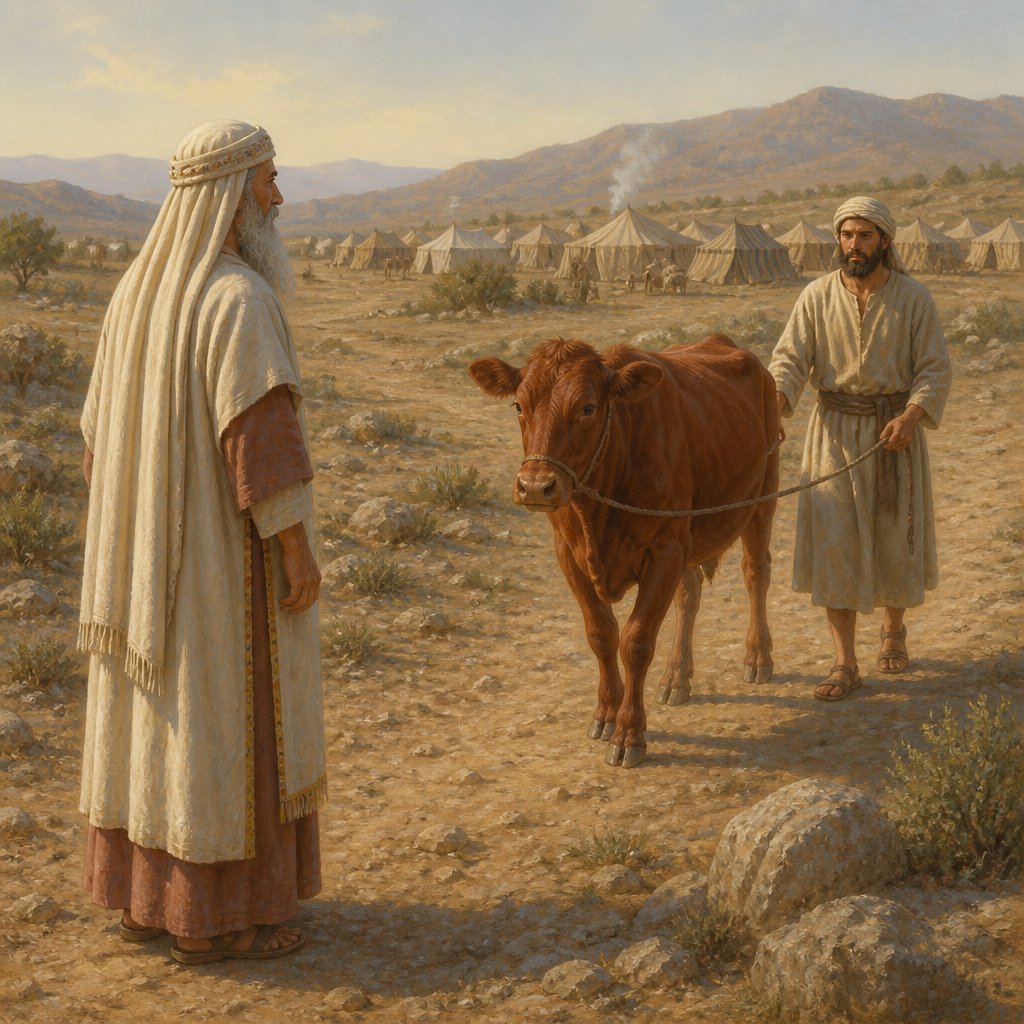
Numbers 19:3 (KJV) reads, "And ye shall give her unto Eleazar the priest, that he may bring her forth without the camp, and one shall slay her before his face."
This verse is part of a larger passage in the Old Testament that details the instructions for the sacrifice of the red heifer. The red heifer was a specific type of sacrifice required by the Israelites for purification from contact with a corpse. This cleansing ritual was necessary because death was considered a source of impurity in the ancient Hebrew culture. The ashes of the red heifer were mixed with running water to create a ritual purification that would wash away the impurity caused by contact with a dead body.
In this verse, the instructions for the red heifer sacrifice are given to the Israelites. They are commanded to bring the heifer to Eleazar the priest, who will then take it outside the camp and slay it. This act of sacrificing the red heifer and using its ashes for purification symbolizes the removal of spiritual impurity, and the cleansing of sin and death in the eyes of God.
The red heifer sacrifice is a powerful symbol of purification and atonement in the Old Testament. It foreshadows the ultimate sacrifice of Jesus Christ, who is often referred to as the "Lamb of God" in the New Testament. The red heifer is seen as a type or shadow of Christ, whose sacrificial death on the cross provides purification and atonement for all who believe in him.
The imagery of the heifer being taken outside the camp to be slain is significant. In the Old Testament, the camp or the city was often a symbol of human society and all its impurities. By taking the heifer outside the camp, the Israelites were symbolically removing impurity from the community and offering it up to God for cleansing. This act mirrors Christ's crucifixion outside the city walls of Jerusalem, symbolizing his removal of sin and impurity from the world.
The role of Eleazar the priest in this verse is also important. In the Old Testament, the priests served as mediators between God and the people, offering sacrifices on behalf of the community. Similarly, Jesus Christ is seen as the ultimate mediator between humanity and God, offering himself as the perfect sacrifice for the sins of the world.
The concept of purification and atonement is a central theme in the Bible, both in the Old and New Testaments. The red heifer sacrifice served as a reminder to the Israelites of the spiritual impurity caused by sin and death, and the need for a cleansing agent to make them ritually pure in the eyes of God. This concept is fulfilled in the person of Jesus Christ, whose death and resurrection provide salvation and atonement for all who believe in him.
In conclusion, Numbers 19:3 is a powerful and symbolic verse that points to the need for cleansing from spiritual impurity and the ultimate sacrifice of Jesus Christ. The imagery of the red heifer being sacrificed outside the camp, the role of the priest, and the concept of purification all serve as important symbols that point to the deeper themes of redemption and atonement found throughout the Bible. This verse reminds us of the need for purification and the ultimate sacrifice of Christ, who offers eternal cleansing and forgiveness for all who believe in him.
Get our apps


Artwork for Numbers 19:3
"And ye shall give her unto Eleazar the priest, that he may bring her forth without the camp, and one shall slay her before his face:" - Numbers 19:3

Numbers 3:19 - "And the sons of Kohath by their families; Amram, and Izehar, Hebron, and Uzziel."
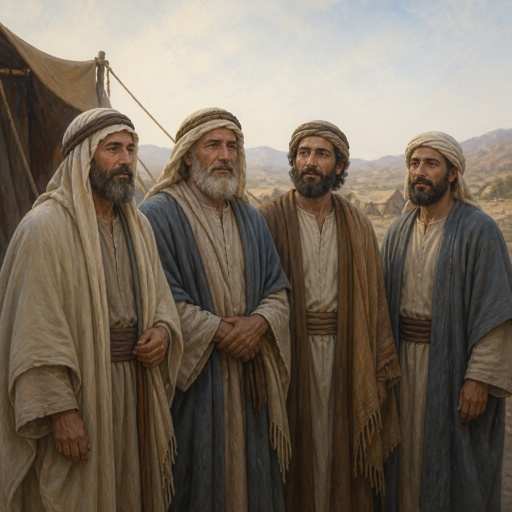
"And the sons of Kohath by their families; Amram, and Izehar, Hebron, and Uzziel." - Numbers 3:19

Numbers 19:14-19 Touching a dead is unclean

Numbers 1:19 - "As the LORD commanded Moses, so he numbered them in the wilderness of Sinai."

Numbers 21:19 - "And from Mattanah to Nahaliel: and from Nahaliel to Bamoth:"

Numbers 33:19 - "And they departed from Rithmah, and pitched at Rimmon-parez."

Numbers 34:19 - "And the names of the men are these: Of the tribe of Judah, Caleb the son of Jephunneh."

Numbers 19:1 - "And the LORD spake unto Moses and unto Aaron, saying,"

Numbers 2:19 - "And his host, and those that were numbered of them, were forty thousand and five hundred."

Numbers 10:19 - "And over the host of the tribe of the children of Simeon was Shelumiel the son of Zurishaddai."

Numbers 3:41

Numbers 19:15 - "And every open vessel, which hath no covering bound upon it, is unclean."

Numbers 19:11 - "¶ He that toucheth the dead body of any man shall be unclean seven days."

Numbers 26:19 - "¶ The sons of Judah were Er and Onan: and Er and Onan died in the land of Canaan."

Numbers 19:6 - "And the priest shall take cedar wood, and hyssop, and scarlet, and cast it into the midst of the burning of the heifer."

Numbers 3:16 - "And Moses numbered them according to the word of the LORD, as he was commanded."

Numbers 3:3 - "These are the names of the sons of Aaron, the priests which were anointed, whom he consecrated to minister in the priest's office."

Numbers 19:22 - "And whatsoever the unclean person toucheth shall be unclean; and the soul that toucheth it shall be unclean until even."

Numbers 27:19 - "And set him before Eleazar the priest, and before all the congregation; and give him a charge in their sight."

Numbers 3:5 - "¶ And the LORD spake unto Moses, saying,"

Numbers 3:44 - "¶ And the LORD spake unto Moses, saying,"

Numbers 3:11 - "And the LORD spake unto Moses, saying,"
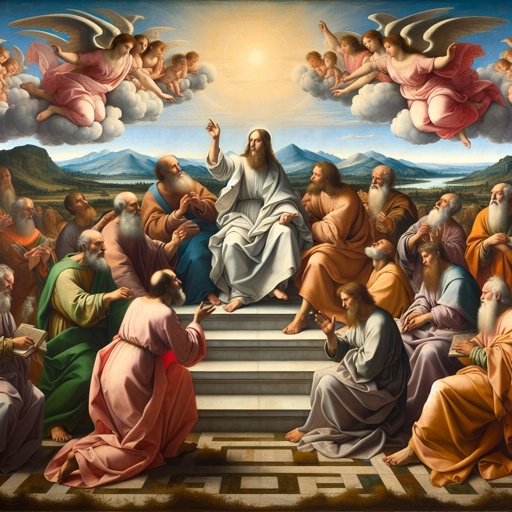
Genesis 19-3

Psalm 19:3

Numbers 19:19 - "And the clean person shall sprinkle upon the unclean on the third day, and on the seventh day: and on the seventh day he shall purify himself, and wash his clothes, and bathe himself in water, and shall be clean at even."

Picture of Numbers 21:1-3

Levites selected as priests in numbers 3

Numbers 24:19 - "Out of Jacob shall come he that shall have dominion, and shall destroy him that remaineth of the city."

Numbers 13:19 - "And what the land is that they dwell in, whether it be good or bad; and what cities they be that they dwell in, whether in tents, or in strong holds;"