What does Numbers 19:11 mean?
“He that toucheth the dead body of any man shall be unclean seven days.” — Numbers 19:11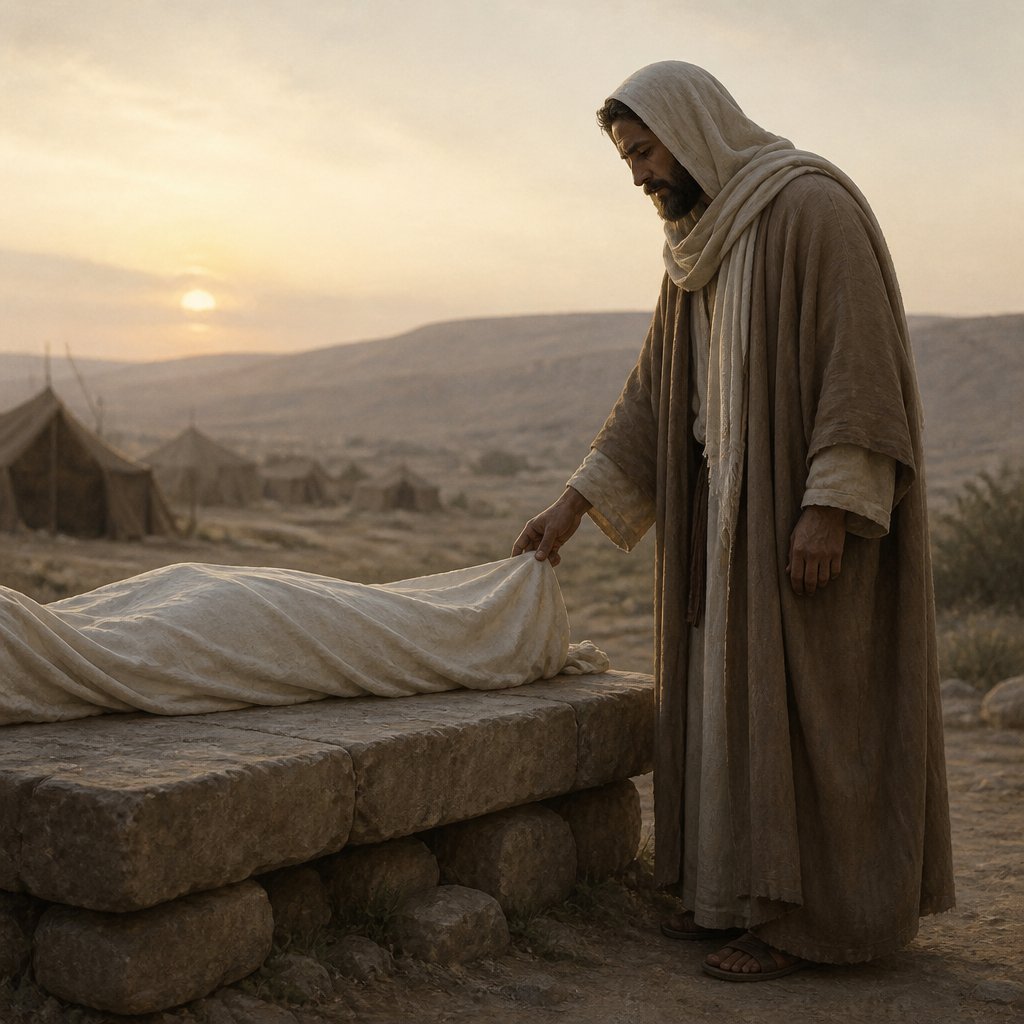
Numbers 19:11 (KJV) – “He that toucheth the dead body of any man shall be unclean seven days.”
In this verse from the book of Numbers, we see a specific commandment from the Lord regarding becoming ritually impure through contact with a dead body. The Israelites had specific laws and rituals surrounding purity and impurity, and this verse outlines the consequences of coming into contact with death. To truly understand the meaning and significance of this verse, it's essential to examine the broader context of the book of Numbers, as well as the themes of purity and impurity in the Old Testament.
The book of Numbers is the fourth book of the Torah and recounts the Israelites' journey from Mount Sinai to the outskirts of the Promised Land. It takes its name from the census of the Israelites recorded in chapters 1-4, and it also contains the laws and regulations that governed the Israelites' religious and social life. The book is significant for its detailed account of the Israelites' wanderings and their interactions with God, as well as the laws and ordinances given to them by God.
In the broader context of the book of Numbers, this verse comes as part of a larger section discussing the purification rituals for those who have become ritually impure. The specific regulations surrounding purity and impurity were a central aspect of Israelite religious life. These guidelines were intended to set the Israelites apart from the surrounding nations and maintain their holiness before God. Contact with death, in particular, was considered a source of ritual impurity, and the Israelites were given strict instructions on how to cleanse themselves if they came into contact with a dead body.
The theme of purity and impurity is one that runs throughout the Old Testament, and it reflects the Israelites' understanding of holiness and their relationship with God. The concept of ritual impurity was not necessarily about moral or ethical wrongdoing, but rather about maintaining ceremonial purity in order to approach God in worship and prayer. The regulations regarding purity and impurity were a way for the Israelites to demonstrate their devotion to God and their willingness to follow His commandments.
In the specific verse of Numbers 19:11, we see the consequence of coming into contact with a dead body – being rendered ritually unclean for seven days. This period of impurity required the individual to undergo specific purification rituals, which typically involved bathing and waiting for a designated period of time before they could rejoin the community in a state of purity. This verse underscores the seriousness with which the Israelites were expected to approach matters of purity and the consequences of failing to adhere to these regulations.
Symbolically, the emphasis on purity and impurity in the Old Testament serves as a reminder of the Israelites' need for holiness and their dependence on God's provision for forgiveness and cleansing. It also points to the larger theme of the Israelites' separation from the surrounding nations and their distinct identity as God's chosen people. The regulations regarding purity and impurity were not just about external cleanliness but were also meant to teach the Israelites about their need for spiritual purity and their reliance on God's grace and mercy.
In conclusion, Numbers 19:11 is a verse that addresses the regulations regarding ritual impurity and the consequences of coming into contact with a dead body. It reflects the broader theme of purity and impurity in the Old Testament, emphasizing the Israelites' need for holiness and their reliance on God's provision for forgiveness and cleansing. As we consider the significance of this verse, we are reminded of the Israelites' unique identity as God's chosen people and the importance of maintaining spiritual purity in their relationship with Him.
Get our apps


Artwork for Numbers 19:11

Numbers 19:11 - "¶ He that toucheth the dead body of any man shall be unclean seven days."
"¶ He that toucheth the dead body of any man shall be unclean seven days." - Numbers 19:11
Numbers 11:19 - "Ye shall not eat one day, nor two days, nor five days, neither ten days, nor twenty days;"

Numbers 19:14-19 Touching a dead is unclean

Numbers 11

Numbers 11:17

Numbers 11 quail

Numbers 11:15

Numbers 11:5

Numbers 1:19 - "As the LORD commanded Moses, so he numbered them in the wilderness of Sinai."

Numbers 21:19 - "And from Mattanah to Nahaliel: and from Nahaliel to Bamoth:"

Numbers 33:19 - "And they departed from Rithmah, and pitched at Rimmon-parez."

Numbers 11:16-26
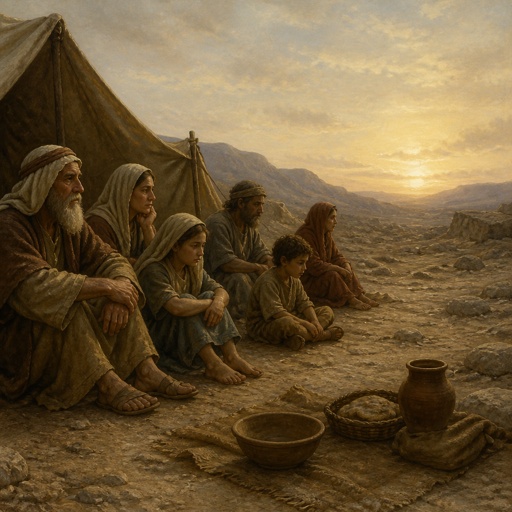
"Ye shall not eat one day, nor two days, nor five days, neither ten days, nor twenty days;" - Numbers 11:19

Ezekiel 28:11-19

Ezekiel 28:11-19

Numbers 3:19 - "And the sons of Kohath by their families; Amram, and Izehar, Hebron, and Uzziel."

Numbers 34:19 - "And the names of the men are these: Of the tribe of Judah, Caleb the son of Jephunneh."

Numbers 19:1 - "And the LORD spake unto Moses and unto Aaron, saying,"

Ezekiel 28:11-19

Ezekiel 28:11-19

Ezekiel 28:11-19

Ezekiel 28:11-19

Numbers 11. 4 to 6

Numbers 2:19 - "And his host, and those that were numbered of them, were forty thousand and five hundred."

Numbers 1:11 - "Of Benjamin; Abidan the son of Gideoni."

Numbers 26:11 - "Notwithstanding the children of Korah died not."

Numbers 10:19 - "And over the host of the tribe of the children of Simeon was Shelumiel the son of Zurishaddai."

Genesis 19-11

Acts 19: 11