What does Numbers 2:14 mean?
“Then the tribe of Gad: and the captain of the sons of Gad shall be Eliasaph the son of Reuel.” — Numbers 2:14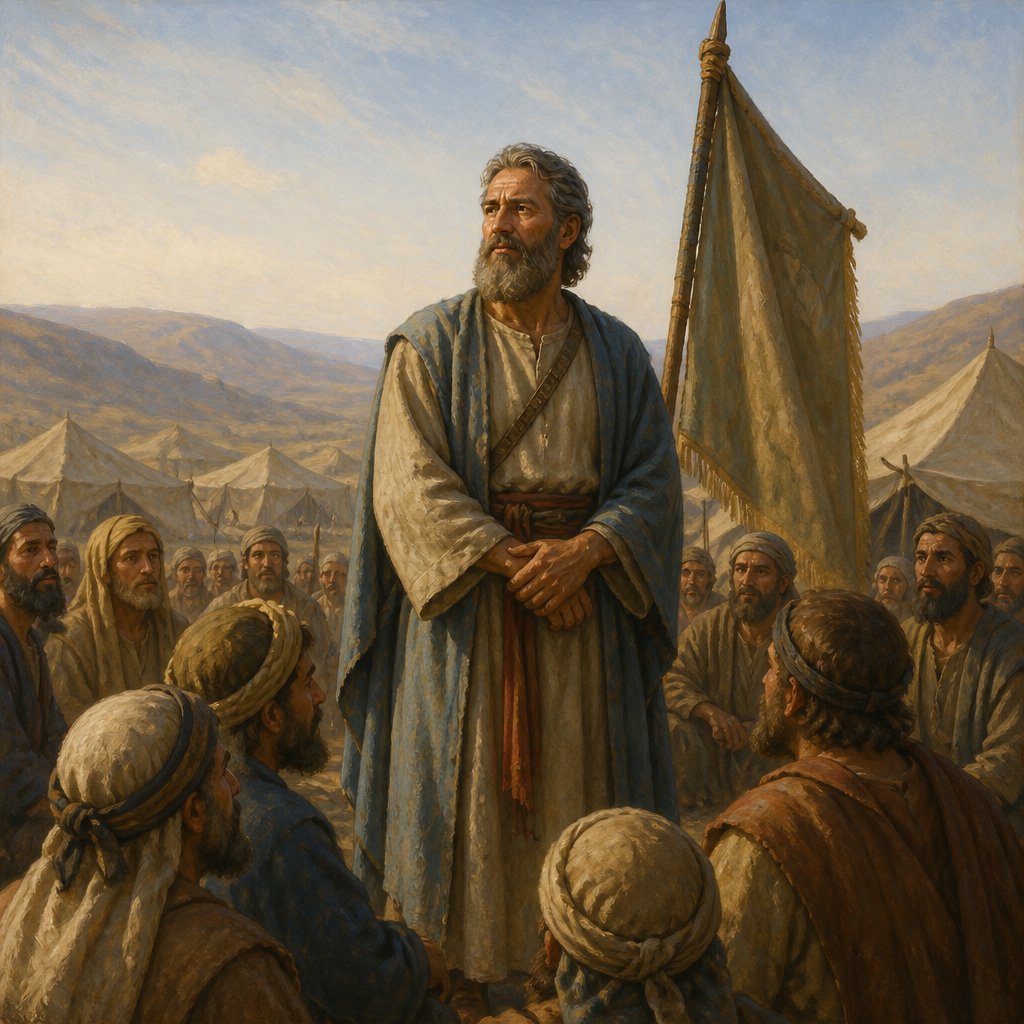
Numbers 2:14 in the King James Version of the Bible reads, "Then the tribe of Gad: and the captain of the sons of Gad shall be Eliasaph the son of Reuel."
This verse is part of the detailed instructions given to Moses by God for the organization and arrangement of the tribes of Israel as they traveled through the wilderness. The context of this verse is found in the book of Numbers, which primarily focuses on the Israelites' journey from Mount Sinai to the edge of the Promised Land. The specific passage in which this verse is found describes the positioning of the twelve tribes around the tabernacle, with each tribe being assigned a specific location and leader.
In terms of broader themes, this verse from Numbers 2:14 reveals a few significant themes that run throughout the Bible. One of the primary themes in this passage is the importance of order and organization within the community of God's people. The precise instructions for the arrangement of the tribes and appointment of leaders reflect a God who values and requires orderliness and structure among his people. This theme of order and structure can be seen throughout the Bible, from the detailed building instructions for the tabernacle to the establishment of the priesthood and laws for the Israelites.
Another theme present in this verse is the idea of leadership and the appointment of leaders. The naming of Eliasaph as the captain of the tribe of Gad highlights the biblical emphasis on leadership and the role of leaders within the community. Throughout the Bible, we see God raising up and appointing leaders to guide and govern his people, from Moses and Joshua to the judges and kings of Israel. This theme of leadership is essential in understanding the biblical narrative and the development of the people of Israel as they journey through the wilderness toward the Promised Land.
Symbolism also plays a significant role in this verse. The number 2 itself has symbolic meaning in the Bible, often representing division or contrast. In this context, the mention of the tribe of Gad being second in the arrangement of the tribes could be seen as symbolizing the division and order established by God among his people. The tribe of Gad is also associated with bravery and strength, as seen later in their willingness to fight for the Promised Land (Numbers 32). This symbolism reinforces the theme of leadership and the importance of strength and courage in serving God and His people.
Overall, Numbers 2:14 provides a glimpse into the detailed instructions given by God for the organization and arrangement of the tribes of Israel as they journeyed through the wilderness. This verse also reveals broader themes of order, leadership, and symbolism that are woven throughout the biblical narrative. By exploring the context, themes, and symbolism of this verse, we can gain a deeper understanding of God's design for his people and the significance of leadership and organization in fulfilling his purposes.
Get our apps


Artwork for Numbers 2:14

Numbers 2:14 - "Then the tribe of Gad: and the captain of the sons of Gad shall be Eliasaph the son of Reuel."
"Then the tribe of Gad: and the captain of the sons of Gad shall be Eliasaph the son of Reuel." - Numbers 2:14

2 Chronicles 17:14 - "And these are the numbers of them according to the house of their fathers: Of Judah, the captains of thousands; Adnah the chief, and with him mighty men of valour three hundred thousand."

Numbers 14:8

Numbers 14:8

Numbers 14:8

Ending scene of numbers 14

numbers 31:14-15

Numbers 1:14 - "Of Gad; Eliasaph the son of Deuel."

Numbers 14:2 - "And all the children of Israel murmured against Moses and against Aaron: and the whole congregation said unto them, Would God that we had died in the land of Egypt! or would God we had died in this wilderness!"

Numbers 13:14 - "Of the tribe of Naphtali, Nahbi the son of Vophsi."

Numbers 14:32 - "But as for you, your carcases, they shall fall in this wilderness."

Scene from numbers 14:45

Numbers 18:14 - "Every thing devoted in Israel shall be thine."

Numbers 3:14 - "¶ And the LORD spake unto Moses in the wilderness of Sinai, saying,"

Numbers 7:14 - "One spoon of ten shekels of gold, full of incense:"

Numbers 26:14 - "These are the families of the Simeonites, twenty and two thousand and two hundred."

Numbers 14:26 - "¶ And the LORD spake unto Moses and unto Aaron, saying,"

Numbers 14:20 - "And the LORD said, I have pardoned according to thy word:"

Numbers 14:21 - "But as truly as I live, all the earth shall be filled with the glory of the LORD."

Numbers 19:14-19 Touching a dead is unclean

Numbers 14:1 - "And all the congregation lifted up their voice, and cried; and the people wept that night."

Numbers 33:14 - "And they removed from Alush, and encamped at Rephidim, where was no water for the people to drink."

"The children of Bigvai, two thousand fifty and six." - Ezra 2:14
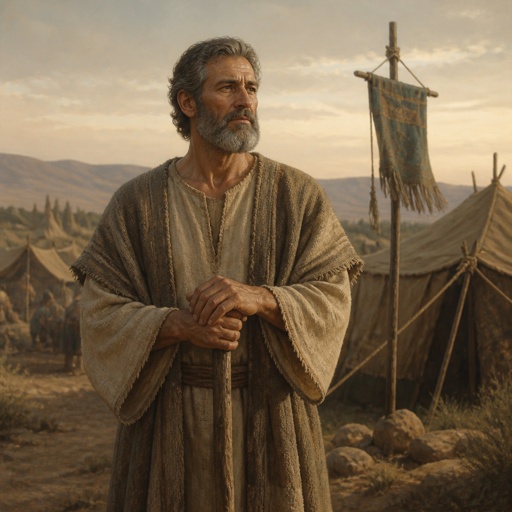
"Of Gad; Eliasaph the son of Deuel." - Numbers 1:14

numbers 21:8-9 & John 3:14

Scene from book of numbers 14:39-45

Numbers 14:5 - "Then Moses and Aaron fell on their faces before all the assembly of the congregation of the children of Israel."

Numbers 14:39 - "And Moses told these sayings unto all the children of Israel: and the people mourned greatly."

Numbers 14:42 - "Go not up, for the LORD is not among you; that ye be not smitten before your enemies."