What does Numbers 2:7 mean?
“Then the tribe of Zebulun: and Eliab the son of Helon shall be captain of the children of Zebulun.” — Numbers 2:7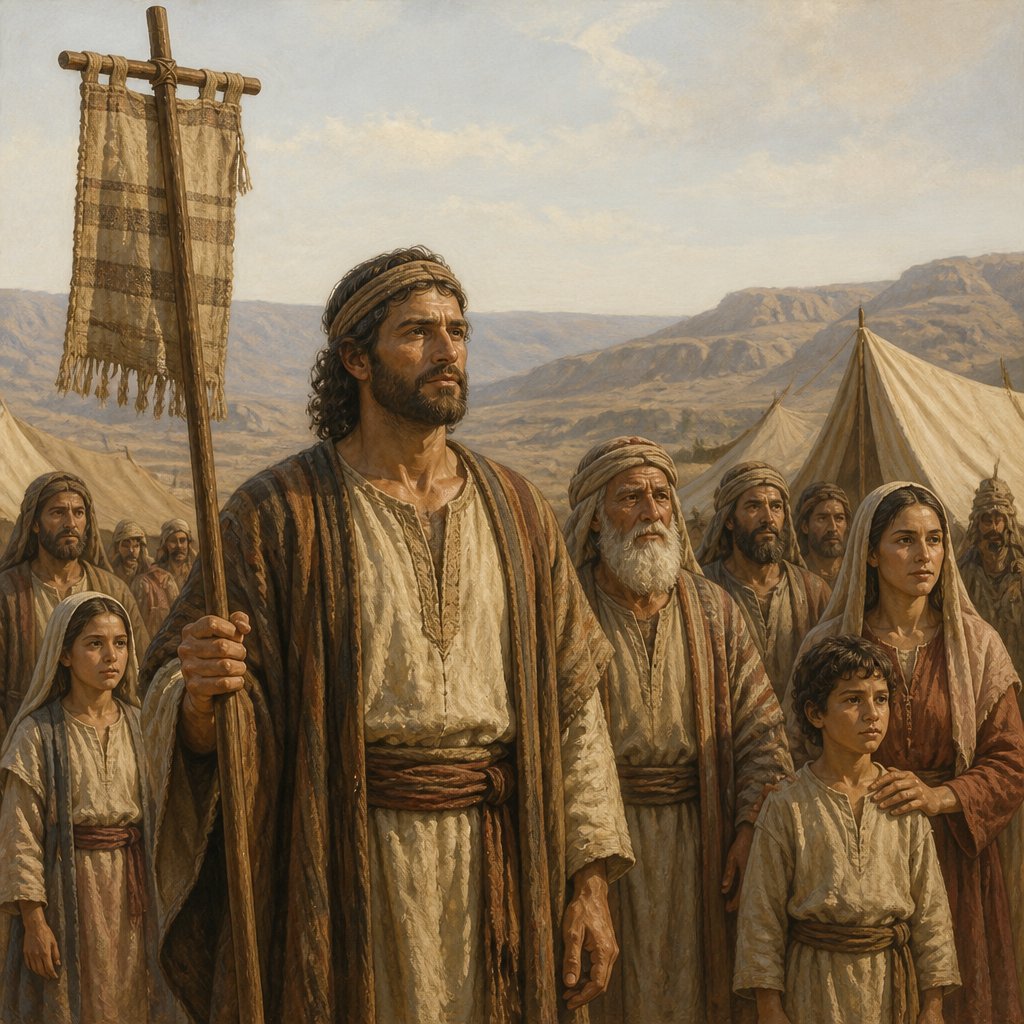
Numbers 2:7 KJV:
"Then the tribe of Zebulun: and Eliab the son of Helon shall be captain of the children of Zebulun."
The book of Numbers is the fourth book of the Old Testament and is attributed to Moses. It is named after the numberings or censuses of the Israelites found in chapters 1 and 26. These censuses were taken to determine the number of men eligible for military service, as well as to organize the Israelites as they journeyed through the wilderness.
In Numbers 2:7, the focus is on the tribe of Zebulun and their designated leader, Eliab the son of Helon. The passage is a part of the larger narrative detailing the organization and placement of the twelve tribes of Israel around the tabernacle. This arrangement was significant because it reflected the divine order established by God for the Israelites during their time in the wilderness.
The tribe of Zebulun was one of the twelve tribes of Israel, and its symbol was a ship. Zebulun was the tenth son of Jacob and his wife Leah. The name Zebulun means "dwelling" or "habitation." The tribe of Zebulun settled in the northern part of present-day Israel, in the area bordering the Sea of Galilee. This location was significant as it allowed Zebulun to engage in trade and commerce, as well as to have access to the Sea of Galilee's resources.
Eliab, the son of Helon, was chosen to be the captain or leader of the children of Zebulun. The role of the captain was crucial in organizing and leading the tribe as they journeyed through the wilderness. It required leadership qualities such as wisdom, courage, and the ability to make decisions for the benefit of the entire tribe.
From a historical context, this verse serves to highlight the importance of leadership and organization within the community of Israel. It also reflects the tribal structure and hierarchy that was prevalent in ancient Israelite society. The appointment of Eliab as the captain of Zebulun demonstrates the order and authority established by God within the tribes of Israel.
Symbolically, the placement and leadership of the tribe of Zebulun hold significance within the broader themes of the Old Testament. Each tribe had a specific role and contribution to the larger community, and Zebulun's position near the Sea of Galilee symbolized their involvement in trade and commerce. This reflects the diverse gifts and talents that God has given to each individual and tribe, and the importance of utilizing them for the greater good.
Overall, Numbers 2:7 emphasizes the divine order, leadership, and organization within the community of Israel. It serves as a reminder of the significance of each tribe and their unique contributions, as well as the importance of effective leadership in guiding and unifying the people of God. The verse also encourages believers to recognize and utilize their individual gifts and talents for the betterment of the community and the fulfillment of God's purpose.
Get our apps


Artwork for Numbers 2:7
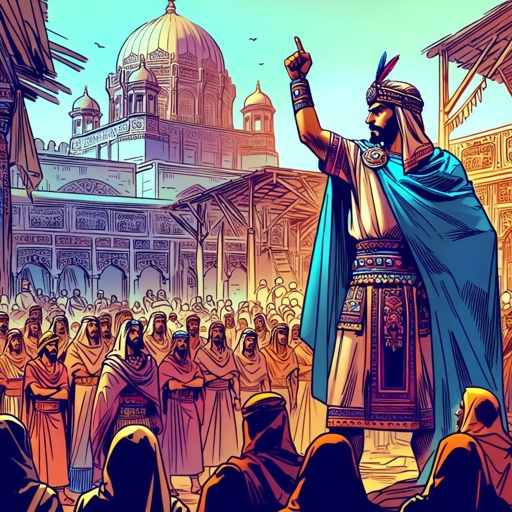
Numbers 2:7 - "Then the tribe of Zebulun: and Eliab the son of Helon shall be captain of the children of Zebulun."
"Then the tribe of Zebulun: and Eliab the son of Helon shall be captain of the children of Zebulun." - Numbers 2:7
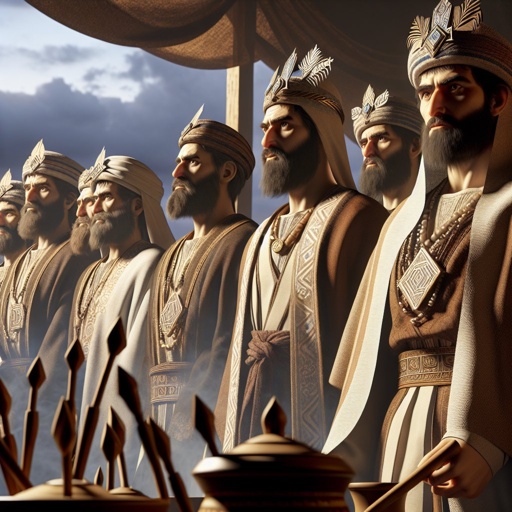
Numbers 7:2 - "That the princes of Israel, heads of the house of their fathers, who were the princes of the tribes, and were over them that were numbered, offered:"

"I have fought a good fight, I have finished my course, I have kept the faith:" - 2 Timothy 4:7

Numbers 29:7

Numbers 4:7

Numbers 7:1-9

Numbers 7:7 - "Two wagons and four oxen he gave unto the sons of Gershon, according to their service:"

Numbers 4:7-8

Numbers 1:7 - "Of Judah; Nahshon the son of Amminadab."

Numbers 7:76 - "One kid of the goats for a sin offering:"

Numbers 7:64 - "One kid of the goats for a sin offering:"

Numbers 7:34 - "One kid of the goats for a sin offering:"

Numbers 7:58 - "One kid of the goats for a sin offering:"

Numbers 7:22 - "One kid of the goats for a sin offering:"

Numbers 7:70 - "One kid of the goats for a sin offering:"

Numbers 7:82 - "One kid of the goats for a sin offering:"

Numbers 7:46 - "One kid of the goats for a sin offering:"

Numbers 7:4 - "And the LORD spake unto Moses, saying,"

Numbers 7:16 - "One kid of the goats for a sin offering:"

Numbers 7:52 - "One kid of the goats for a sin offering:"

Numbers 20:7 - "¶ And the LORD spake unto Moses, saying,"

Numbers 13:7 - "Of the tribe of Issachar, Igal the son of Joseph."

Numbers 7:28 - "One kid of the goats for a sin offering:"

Numbers 7:40 - "One kid of the goats for a sin offering:"

Numbers 7:50 - "One golden spoon of ten shekels, full of incense:"

Numbers 7:80 - "One golden spoon of ten shekels, full of incense:"

Numbers 7:26 - "One golden spoon of ten shekels, full of incense:"

Numbers 7:44 - "One golden spoon of ten shekels, full of incense:"

Numbers 7:68 - "One golden spoon of ten shekels, full of incense:"