What does Numbers 21:26 mean?
“For Heshbon was the city of Sihon the king of the Amorites, who had fought against the former king of Moab, and taken all his land out of his hand, even unto Arnon.” — Numbers 21:26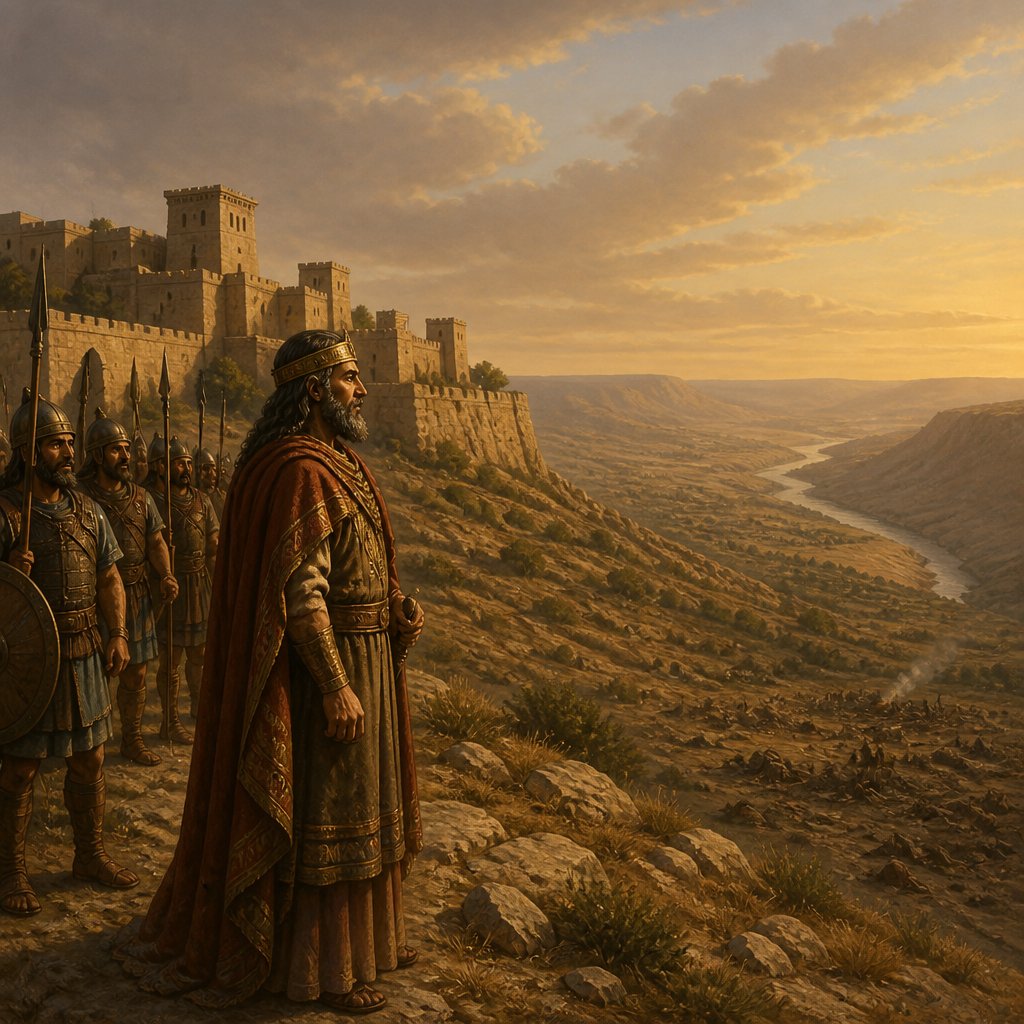
"Numbers 21:26 (KJV) - For Heshbon was the city of Sihon the king of the Amorites, who had fought against the former king of Moab, and taken all his land out of his hand, even unto Arnon."
The book of Numbers is the fourth book of the Old Testament and details the Israelites' journey from Mount Sinai to the plains of Moab on the border of the Promised Land. In this particular verse, the focus is on the city of Heshbon and the victory of Sihon, the king of the Amorites, over the former king of Moab.
To understand the meaning and commentary of Numbers 21:26, it's important to first understand the historical and cultural context in which this verse is situated. The Israelites had been wandering in the wilderness for 40 years as a punishment for their disobedience to God. During this time, they faced various trials and challenges, including battles with neighboring peoples.
In this verse, the city of Heshbon is mentioned as the city of Sihon, the king of the Amorites. The Amorites were a powerful and warlike people who inhabited the region east of the Jordan River. Sihon had previously defeated the king of Moab and taken possession of his land, extending his rule as far as the Arnon River.
One of the key themes in this verse is the concept of conquest and the clash of kingdoms. Sihon's victory over the king of Moab is presented as a pivotal event, demonstrating his strength and the expansion of his domain. This theme of conquest and territorial expansion is a common motif in the Old Testament, reflecting the historical context of ancient warfare and the struggle for power and dominance among different nations and peoples.
Another theme that can be drawn from this verse is the divine sovereignty and judgment of God. The Israelites' journey through the wilderness was a time of discipline and testing, as they were being prepared to enter the Promised Land. The conquests and victories of Sihon and the Amorites were ultimately part of God's plan for the Israelites, as they were instrumental in clearing the way for the Israelites' eventual possession of the land of Canaan.
In addition to the historical and thematic significance of Numbers 21:26, there is also symbolic value in the mention of Heshbon, Sihon, and the king of Moab. Throughout the Old Testament, cities and rulers were often used as symbols of power, authority, and the broader spiritual struggle between good and evil. The victory of Sihon over the king of Moab can be seen as a metaphor for the ongoing battle between righteousness and wickedness, with God ultimately determining the outcome.
Overall, Numbers 21:26 serves as a reminder of the complex geopolitical and spiritual dynamics at play during the Israelites' journey through the wilderness. It highlights the themes of conquest, divine sovereignty, and the symbolism of power and authority. As with many verses in the Old Testament, it also provides valuable insight into the historical context and cultural values of the ancient Near East.
Get our apps


Artwork for Numbers 21:26

Numbers 21:26 - "For Heshbon was the city of Sihon the king of the Amorites, who had fought against the former king of Moab, and taken all his land out of his hand, even unto Arnon."
"For Heshbon was the city of Sihon the king of the Amorites, who had fought against the former king of Moab, and taken all his land out of his hand, even unto Arnon." - Numbers 21:26

Numbers 26:21 - "And the sons of Pharez were; of Hezron, the family of the Hezronites: of Hamul, the family of the Hamulites."
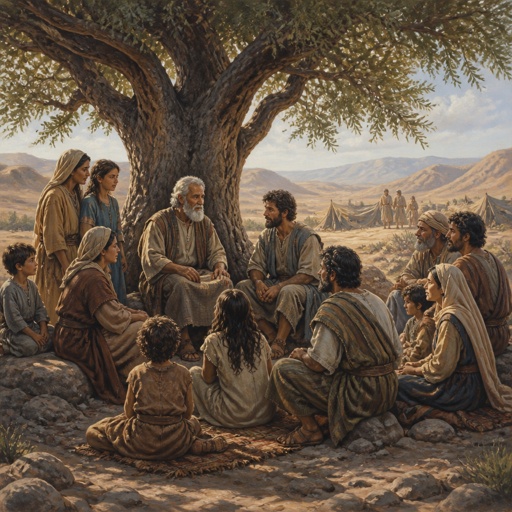
"And the sons of Pharez were; of Hezron, the family of the Hezronites: of Hamul, the family of the Hamulites." - Numbers 26:21

Numbers 11:16-26

Numbers 26:8 - "And the sons of Pallu; Eliab."

Numbers 26:26 - "¶ Of the sons of Zebulun after their families: of Sered, the family of the Sardites: of Elon, the family of the Elonites: of Jahleel, the family of the Jahleelites."

Picture representing Numbers 21:21-35

Numbers 26:46 - "And the name of the daughter of Asher was Sarah."

Numbers 21:21 - "¶ And Israel sent messengers unto Sihon king of the Amorites, saying,"

Genesis 21-26

Numbers 26:11 - "Notwithstanding the children of Korah died not."

Numbers 33:26 - "And they removed from Makheloth, and encamped at Tahath."

Israelites taking census in Numbers 26

Numbers 26:52 - "¶ And the LORD spake unto Moses, saying,"

Numbers 26:36 - "And these are the sons of Shuthelah: of Eran, the family of the Eranites."

Numbers 26:53 - "Unto these the land shall be divided for an inheritance according to the number of names."

Numbers 26:39 - "Of Shupham, the family of the Shuphamites: of Hupham, the family of the Huphamites."

Numbers 26:31 - "And of Asriel, the family of the Asrielites: and of Shechem, the family of the Shechemites:"

Numbers 26:6 - "Of Hezron, the family of the Hezronites: of Carmi, the family of the Carmites."

Numbers 26:49 - "Of Jezer, the family of the Jezerites: of Shillem, the family of the Shillemites."

Numbers 26:24 - "Of Jashub, the family of the Jashubites: of Shimron, the family of the Shimronites."

Numbers 26:17 - "Of Arod, the family of the Arodites: of Areli, the family of the Arelites."

Numbers 26:13 - "Of Zerah, the family of the Zarhites: of Shaul, the family of the Shaulites."

Luke 6:21-26

Luke 6:21-26

Numbers 26:32 - "And of Shemida, the family of the Shemidaites: and of Hepher, the family of the Hepherites."

Numbers 26:16 - "Of Ozni, the family of the Oznites: of Eri, the family of the Erites:"

Numbers 7:26 - "One golden spoon of ten shekels, full of incense:"

Numbers 26:60 - "And unto Aaron was born Nadab, and Abihu, Eleazar, and Ithamar."