What does Numbers 30:14 mean?
“But if her husband altogether hold his peace at her from day to day; then he establisheth all her vows, or all her bonds, which are upon her: he confirmeth them, because he held his peace at her in the day that he heard them.” — Numbers 30:14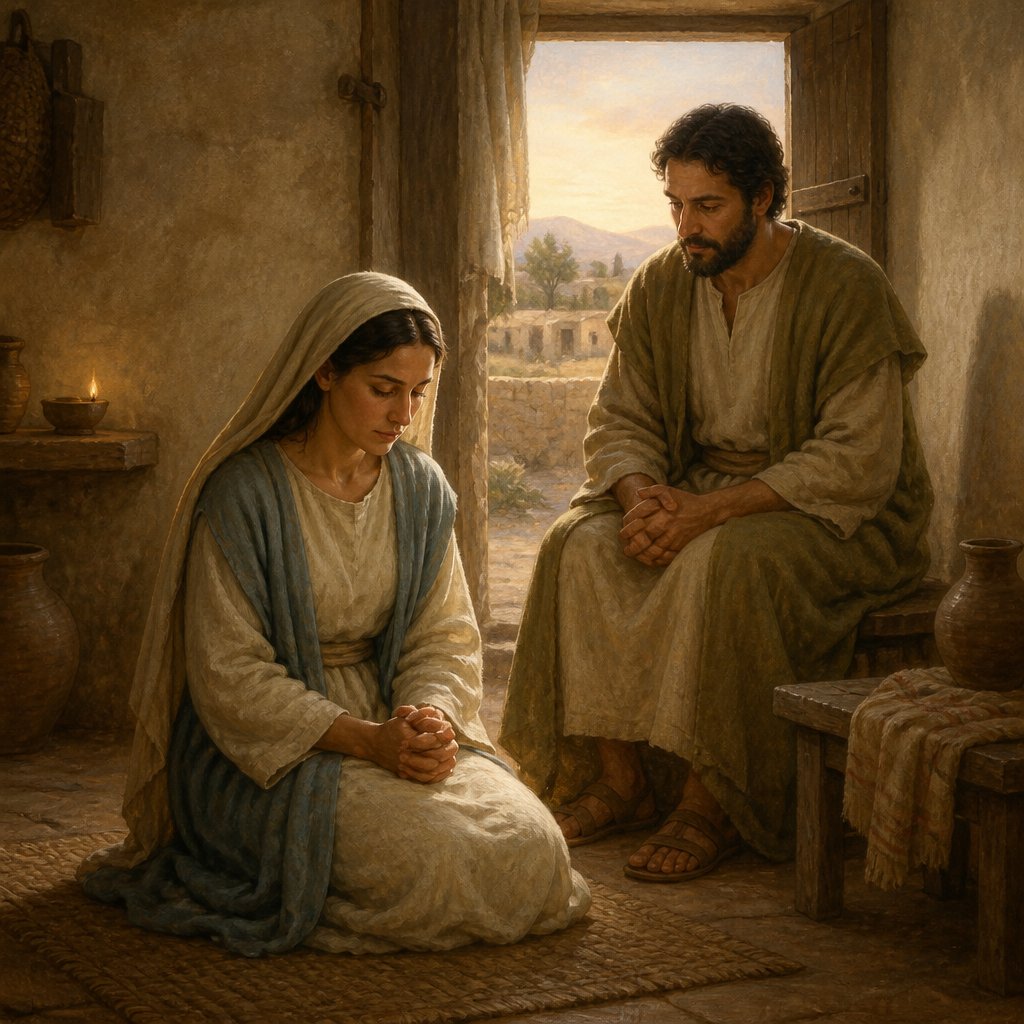
Numbers 30:14 in the King James Version (KJV) reads, "But if her husband altogether hold his peace at her from day to day; then he establisheth all her vows, or all her bonds, which are upon her: he confirmeth them, because he held his peace at her in the day that he heard them."
This verse is part of a larger passage in the book of Numbers that deals with the regulations surrounding vows and oaths made by women. In ancient Israelite society, women were considered to be under the authority of their fathers or husbands, and their vows were subject to the approval or disapproval of these male figures. The passage outlines the various scenarios in which a woman's vow or pledge could be nullified or upheld based on the response of her father or husband.
The verse, in particular, speaks to the situation where a woman makes a vow or pledge and her husband, upon hearing of it, remains silent. In this case, the husband is deemed to have validated or confirmed the woman's vow by his inaction. This underscores the importance of a husband's authority and tacit approval in the decision-making process of his wife.
One of the key themes that can be derived from this verse is the concept of authority and submission within the marriage relationship. In ancient Israelite society, as in many traditional cultures, women were expected to be obedient and submissive to their husbands, and the husband's approval or disapproval held significant weight in determining the validity of a woman's actions. This verse reflects the patriarchal nature of the society in which the Israelites lived, and it underscores the idea that a woman's autonomy was often subject to the authority of the men in her life.
Another theme that can be extrapolated from this verse is the importance of communication and mutual understanding within marriage. The verse implies that a husband has the responsibility to actively engage with and respond to his wife's decisions and actions. By holding his peace, the husband effectively communicates his acceptance of his wife's vow, and in doing so, he becomes complicit in her pledge. This highlights the need for open and honest communication between spouses, as well as the significance of mutual respect for each other's autonomy and agency within the marriage.
Symbolically, this verse can be seen as representing the power dynamics and relational dynamics within a marriage. The husband's silence or lack of objection is seen as an affirmation of his wife's actions, and it symbolizes the role of the husband as the head of the household with the authority to validate or invalidate the decisions of his wife. This symbolic representation aligns with the traditional gender roles and power structures prevalent in ancient Israelite society.
In a broader context, when interpreting and applying this verse to contemporary society, it is crucial to consider the historical and cultural context in which it was written. While the passage reflects the social norms and values of ancient Israelite society, it can also serve as a catalyst for discussions on gender dynamics, power imbalances, and relational dynamics within modern marriages. It prompts reflection on the importance of mutual respect, open communication, and egalitarianism in marriage, challenging traditional patriarchal views and advocating for the autonomy and agency of both partners within the marital union. Ultimately, understanding the underlying themes, context, and symbolism of Numbers 30:14 can offer valuable insights into the dynamics of authority, communication, and mutual respect within the institution of marriage.
Get our apps


Artwork for Numbers 30:14
Numbers 30:14 - "But if her husband altogether hold his peace at her from day to day; then he establisheth all her vows, or all her bonds, which are upon her: he confirmeth them, because he held his peace at her in the day that he heard them."
"But if her husband altogether hold his peace at her from day to day; then he establisheth all her vows, or all her bonds, which are upon her: he confirmeth them, because he held his peace at her in the day that he heard them." - Numbers 30:14

Numbers 14:30 (KJVA) 30 Doubtless ye shall not come into the land, concerning which I sware to make you dwell therein, save Caleb the son of Jephunneh, and Joshua the son of Nun.

Numbers 14:30 (KJVA) 30 Doubtless ye shall not come into the land, concerning which I sware to make you dwell therein, save Caleb the son of Jephunneh, and Joshua the son of Nun.

Numbers 14:30 - "Doubtless ye shall not come into the land, concerning which I sware to make you dwell therein, save Caleb the son of Jephunneh, and Joshua the son of Nun."

Numbers 23:30

John 14:30

Numbers 33:30 - "And they departed from Hashmonah, and encamped at Moseroth."

Making a vow to the Lord. Numbers 30

Numbers 28:30 - "And one kid of the goats, to make an atonement for you."

Numbers 11:30 - "And Moses gat him into the camp, he and the elders of Israel."

Numbers 26:30 - "These are the sons of Gilead: of Jeezer, the family of the Jeezerites: of Helek, the family of the Helekites:"

Numbers 3:30 - "And the chief of the house of the father of the families of the Kohathites shall be Elizaphan the son of Uzziel."

Numbers 29:30 - "And their meat offering and their drink offerings for the bullocks, for the rams, and for the lambs, shall be according to their number, after the manner:"

Numbers 2:30 - "And his host, and those that were numbered of them, were fifty and three thousand and four hundred."

Numbers 23:30 - "And Balak did as Balaam had said, and offered a bullock and a ram on every altar."

Numbers 30:10 - "And if she vowed in her husband's house, or bound her soul by a bond with an oath;"

Numbers 7:30 - "¶ On the fourth day Elizur the son of Shedeur, prince of the children of Reuben, did offer:"

Numbers 14:8

Numbers 14:8

Numbers 14:8

Numbers 32:30 - "But if they will not pass over with you armed, they shall have possessions among you in the land of Canaan."

Luke 14:30 - "Saying, This man began to build, and was not able to finish."

"And they departed from Hashmonah, and encamped at Moseroth." - Numbers 33:30
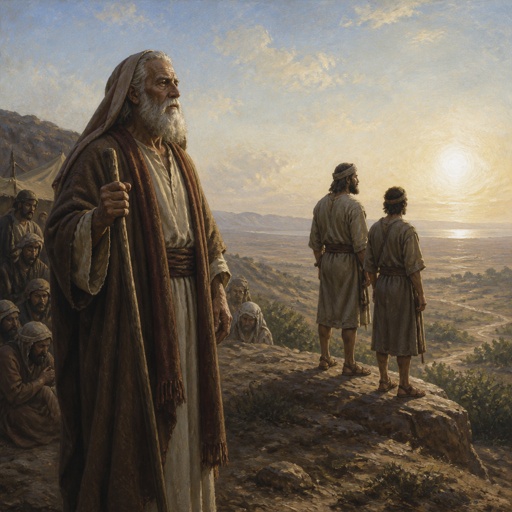
"Doubtless ye shall not come into the land, concerning which I sware to make you dwell therein, save Caleb the son of Jephunneh, and Joshua the son of Nun." - Numbers 14:30

1 Kings 14:30 - "And there was war between Rehoboam and Jeroboam all their days."

Numbers 10:30 - "And he said unto him, I will not go; but I will depart to mine own land, and to my kindred."

Numbers 30:9 - "But every vow of a widow, and of her that is divorced, wherewith they have bound their souls, shall stand against her."

Proverbs 14:30 - "A sound heart is the life of the flesh: but envy the rottenness of the bones."

Ending scene of numbers 14