What does Numbers 4:9 mean?
“And they shall take a cloth of blue, and cover the candlestick of the light, and his lamps, and his tongs, and his snuffdishes, and all the oil vessels thereof, wherewith they minister unto it:” — Numbers 4:9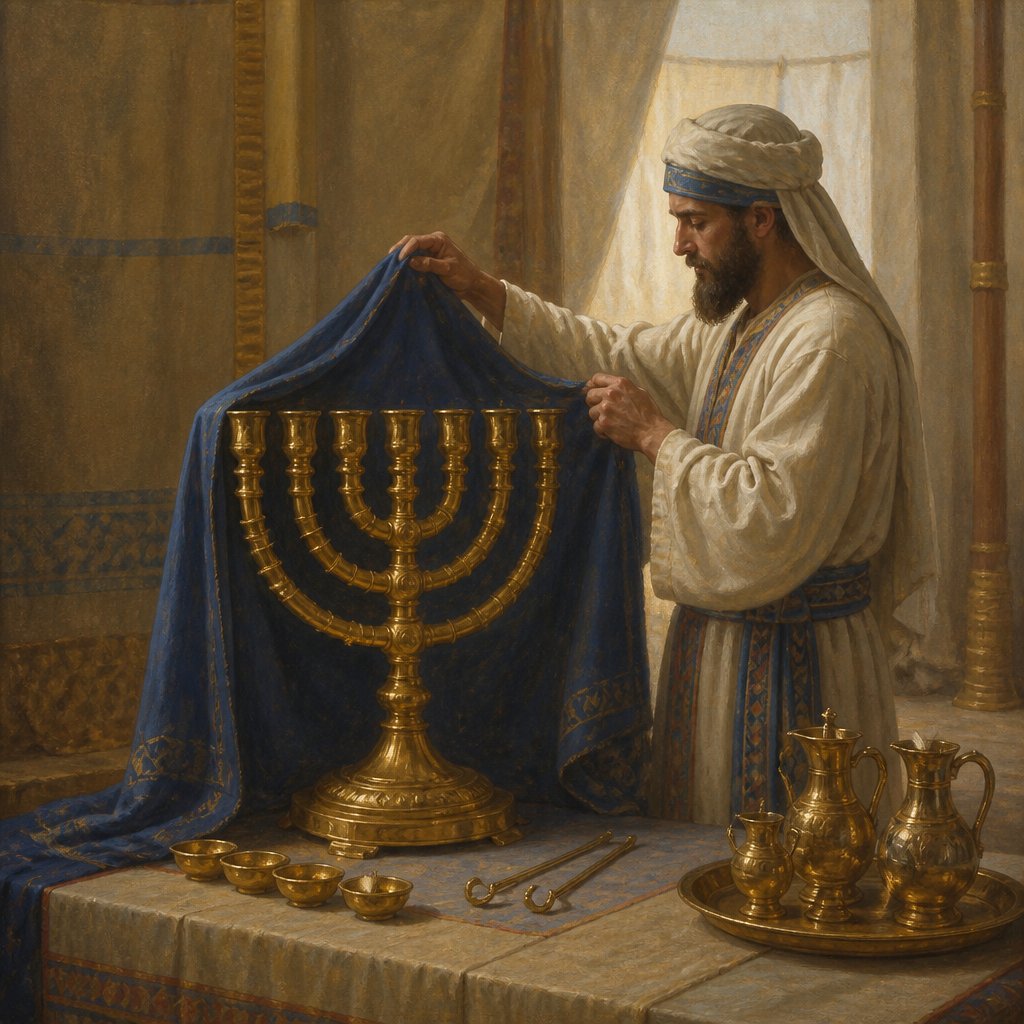
Numbers 4:9 from the King James Version of the Bible states, "And they shall take a cloth of blue, and cover the candlestick of the light, and his lamps, and his tongs, and his snuffdishes, and all the oil vessels thereof, wherewith they minister unto it."
This verse is part of the instructions given to Moses by God regarding the care and transportation of the tabernacle and its sacred items. The tabernacle was a portable sanctuary that the Israelites carried with them during their forty years of wandering in the wilderness. The verse provides specific details on how the priests were to cover and protect the items related to the candlestick or menorah in the tabernacle.
To understand the deeper meaning of this verse, it is important to consider its context within the larger narrative of the book of Numbers. The book of Numbers follows the Israelites as they journey from Mount Sinai to the borders of the Promised Land. Along the way, they face numerous challenges and struggles, including rebellion, doubts, and complaints. Despite God's miraculous deliverance from slavery in Egypt and the ongoing provision of food and water, the Israelites often struggled to trust in God's faithfulness and promises.
In this particular verse, the instructions given to the priests regarding the care of the tabernacle and its sacred items reflect the importance of reverence and holiness in their service to God. The blue cloth used to cover the candlestick, lamps, tongs, snuff dishes, and oil vessels served as a means of protection and preservation. By carefully covering these items, the priests demonstrated their respect and honor for the sacred elements that facilitated worship and communion with God.
The color blue, which is specifically mentioned in this verse, carries symbolic significance throughout the Bible. In ancient Jewish tradition, blue was associated with the heavens and the divine. The use of a blue cloth to cover the sacred items in the tabernacle emphasized their connection to the heavenly realm and their sanctified purpose. Additionally, blue is often associated with themes of loyalty, trust, and faithfulness, all of which are essential qualities for the Israelites to cultivate as they journey through the wilderness.
The candlestick itself holds symbolic significance in the biblical narrative. In the tabernacle, the constantly burning lamps on the menorah represented God's enduring presence and guidance for the people of Israel. The careful and reverent care of the candlestick and its associated implements communicated the Israelites' recognition of God's holiness and their commitment to upholding the divine commandments.
Furthermore, the meticulous attention to the oil vessels and other items used in the service of the tabernacle underscored the Israelites' dedication to maintaining the sanctity of their worship practices. The use of oil in the lamps not only provided light but also symbolized the anointing and empowerment of the priests for their sacred duties.
As the Israelites traversed the wilderness, surrounded by uncertainty and challenges, the faithful observance of these instructions served to anchor them in their relationship with God. By demonstrating reverence for the sacred items in the tabernacle, the priests and Levites reinforced the importance of maintaining spiritual discipline and obedience to God's commandments.
In a broader sense, the meticulous care of the tabernacle and its items serves as a metaphor for the reverence and attentiveness that believers are called to demonstrate in their worship and service to God. The detailed instructions regarding the covering of the candlestick and its related items underscore the significance of embracing sacred rituals and practices as a means of drawing near to God and cultivating a deeper connection with the divine.
In conclusion, Numbers 4:9 offers a rich tapestry of symbolic meaning and spiritual insight. The verse embodies the themes of reverence, holiness, and faithful devotion that are central to the biblical narrative. The careful attention to the care of the tabernacle and its sacred items reflects the Israelites' commitment to upholding their covenant relationship with God, even amidst the challenges of the wilderness. Ultimately, the verse serves as a powerful reminder of the significance of cultivating reverence and faithful obedience in our worship and service to God.
Get our apps


Artwork for Numbers 4:9
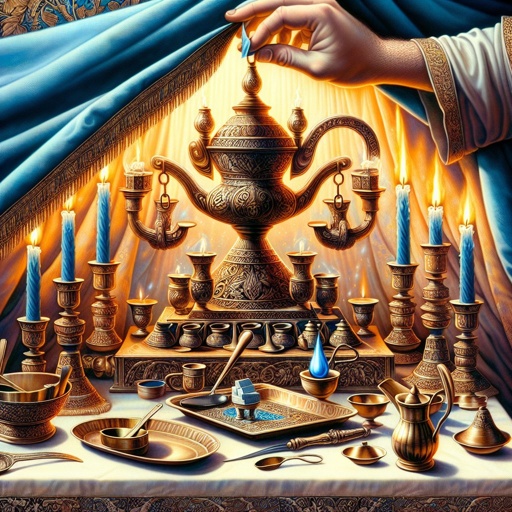
Numbers 4:9 - "And they shall take a cloth of blue, and cover the candlestick of the light, and his lamps, and his tongs, and his snuffdishes, and all the oil vessels thereof, wherewith they minister unto it:"
"And they shall take a cloth of blue, and cover the candlestick of the light, and his lamps, and his tongs, and his snuffdishes, and all the oil vessels thereof, wherewith they minister unto it:" - Numbers 4:9

Numbers 9:4 - "And Moses spake unto the children of Israel, that they should keep the passover."
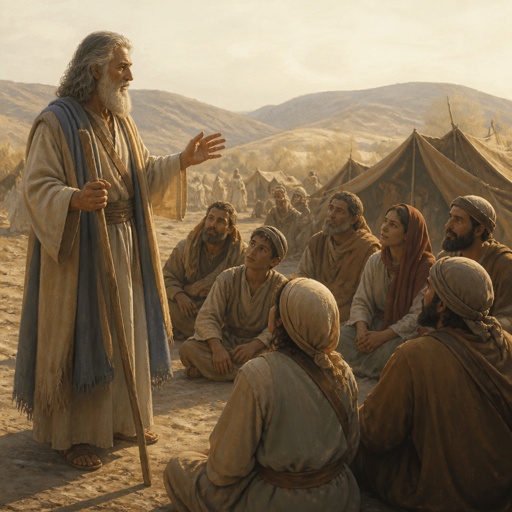
"And Moses spake unto the children of Israel, that they should keep the passover." - Numbers 9:4

Numbers 9:9 - "¶ And the LORD spake unto Moses, saying,"

Numbers 7:1-9

Numbers 4:7

Numbers 4:8

Numbers 1:9 - "Of Zebulun; Eliab the son of Helon."

"¶ And the LORD spake unto Moses, saying," - Numbers 9:9

Numbers 35:9 - "¶ And the LORD spake unto Moses, saying,"

Numbers 13:9 - "Of the tribe of Benjamin, Palti the son of Raphu."

Numbers 4:4 - "This shall be the service of the sons of Kohath in the tabernacle of the congregation, about the most holy things:"

Numbers 11. 4 to 6

Numbers 4:7-8

Numbers 12:9 - "And the anger of the LORD was kindled against them; and he departed."

Numbers 25:9 - "And those that died in the plague were twenty and four thousand."

Numbers 9:16 - "So it was alway: the cloud covered it by day, and the appearance of fire by night."

Numbers 22:9 - "And God came unto Balaam, and said, What men are these with thee?"

Numbers 4:24 - "This is the service of the families of the Gershonites, to serve, and for burdens:"

Numbers 4:21 - "¶ And the LORD spake unto Moses, saying,"

Numbers 7:4 - "And the LORD spake unto Moses, saying,"

Numbers 4:38 - "And those that were numbered of the sons of Gershon, throughout their families, and by the house of their fathers,"

Numbers 11:9 - "And when the dew fell upon the camp in the night, the manna fell upon it."

Numbers 9:2 - "Let the children of Israel also keep the passover at his appointed season."

Numbers 20:9 - "And Moses took the rod from before the LORD, as he commanded him."

Numbers 4:29 - "¶ As for the sons of Merari, thou shalt number them after their families, by the house of their fathers;"
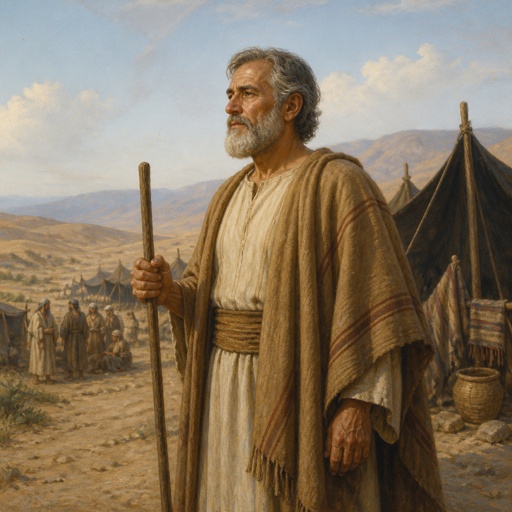
"Of Zebulun; Eliab the son of Helon." - Numbers 1:9

Numbers 4:42 - "¶ And those that were numbered of the families of the sons of Merari, throughout their families, by the house of their fathers,"

Numbers 4:17 - "¶ And the LORD spake unto Moses and unto Aaron, saying,"