What does Numbers 5:17 mean?
“And the priest shall take holy water in an earthen vessel; and of the dust that is in the floor of the tabernacle the priest shall take, and put it into the water:” — Numbers 5:17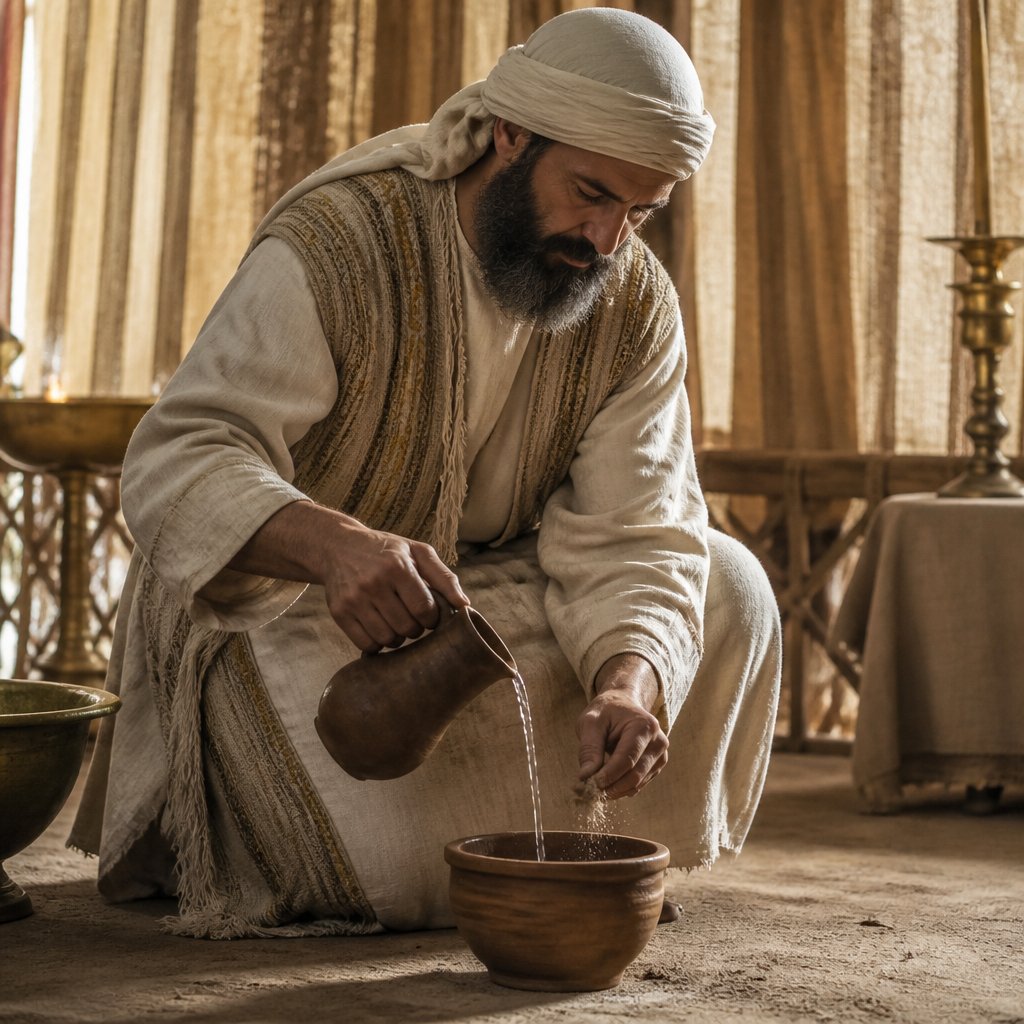
Numbers 5:17 (KJV) is a verse from the Old Testament that is part of the book of Numbers, which is the fourth book of the Pentateuch, also known as the Torah. It is a verse that pertains to the laws and regulations set forth by God for the Israelites during their time in the wilderness. The verse reads as follows:
"And the priest shall take holy water in an earthen vessel; and of the dust that is in the floor of the tabernacle the priest shall take, and put it into the water."
This verse is part of a larger passage that outlines the process for dealing with a woman who may have committed infidelity. The passage itself is found in Numbers 5:11-31, and it details the ritual that a woman suspected of infidelity must undergo in order to determine her guilt or innocence. The process involves the woman drinking water mixed with dust from the tabernacle while the priest recites a curse over her. If she is guilty, the water will cause her to suffer, but if she is innocent, she will be unharmed.
The context of this verse is important for understanding its meaning and significance. At the time this passage was written, the Israelites were living in the wilderness following their exodus from Egypt. During this time, they were establishing a society based on the laws and principles given to them by God through Moses. The laws given to them were meant to govern all aspects of their lives, including matters of justice, morality, and ritual purity.
The process outlined in Numbers 5:11-31 may seem unusual or even harsh to modern readers, but it reflects the cultural and religious beliefs of the ancient Israelites. In their society, marital fidelity was highly valued, and adultery was considered a serious offense. The ritual described in this passage was meant to address suspicions of infidelity and to bring about a resolution that was believed to be guided by divine intervention.
The use of holy water and dust from the tabernacle in the ritual has symbolic significance. Water is often associated with purification and cleansing, and in this context, it is being used to determine the guilt or innocence of the woman. The addition of dust from the tabernacle, which was considered a sacred and holy place, further emphasizes the religious nature of the ritual. The use of these elements reinforces the belief that the outcome of the ritual would be determined by God's judgment.
Additionally, the involvement of the priest in performing this ritual underscores the role of the priesthood in mediating between the people and God. The priest was responsible for conducting religious ceremonies, interpreting the law, and serving as a spiritual leader for the community. In this instance, the priest's involvement in the ritual lent it an air of authority and legitimacy, further reinforcing the belief that the outcome would be a result of divine intervention.
From a thematic perspective, this verse and the larger passage in which it is found speak to the themes of justice, morality, and the role of faith in decision-making. The ritual outlined in Numbers 5:11-31 reflects the ancient Israelites' belief in a just and involved God who would intervene to bring about a righteous resolution to matters of wrongdoing. The passage also underscores the importance of upholding moral standards within the community and the belief that adherence to religious rituals and laws would result in divine favor and protection.
While the ritual described in this passage may seem archaic or even troubling to modern readers, it is important to interpret it within its cultural and historical context. Doing so allows for a deeper understanding of the religious beliefs and practices of the ancient Israelites, as well as the significance they placed on matters of justice, morality, and faith. Ultimately, Numbers 5:17 and the surrounding verses provide insight into the religious and cultural world of ancient Israel and the beliefs that guided their actions and decisions.
Get our apps


Artwork for Numbers 5:17

Numbers 5:17 - "And the priest shall take holy water in an earthen vessel; and of the dust that is in the floor of the tabernacle the priest shall take, and put it into the water:"
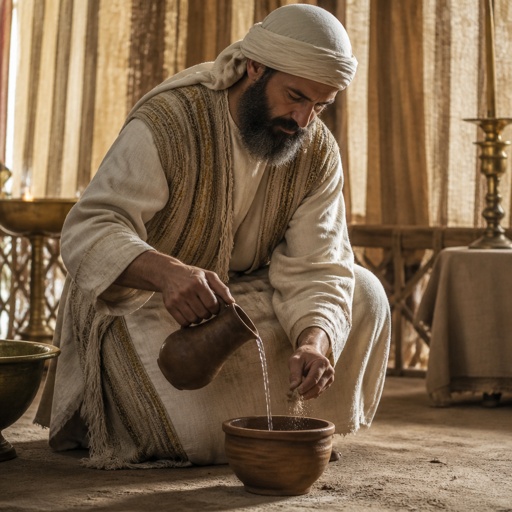
"And the priest shall take holy water in an earthen vessel; and of the dust that is in the floor of the tabernacle the priest shall take, and put it into the water:" - Numbers 5:17

Numbers 17:5 - "And it shall come to pass, that the man's rod, whom I shall choose, shall blossom: and I will make to cease from me the murmurings of the children of Israel, whereby they murmur against you."

Numbers 11:17

Numbers 5:5 - "¶ And the LORD spake unto Moses, saying,"

Numbers 25:17 - "Vex the Midianites, and smite them:"

Numbers 15:17 - "¶ And the LORD spake unto Moses, saying,"

Numbers 33:17 - "And they departed from Kibroth-hattaavah, and encamped at Hazeroth."

Numbers 26:17 - "Of Arod, the family of the Arodites: of Areli, the family of the Arelites."

Numbers 17:1 - "And the LORD spake unto Moses, saying,"

Numbers 11:5

Numbers 4:17 - "¶ And the LORD spake unto Moses and unto Aaron, saying,"

Numbers 3:17 - "And these were the sons of Levi by their names; Gershon, and Kohath, and Merari."

Numbers 1:17 - "¶ And Moses and Aaron took these men which are expressed by their names:"

Galatians 5:16-17

Galatians 5:16-17

Numbers 17:7 - "And Moses laid up the rods before the LORD in the tabernacle of witness."

"¶ And the LORD spake unto Moses, saying," - Numbers 5:5

"Vex the Midianites, and smite them:" - Numbers 25:17

Numbers 21:17 - "¶ Then Israel sang this song, Spring up, O well; sing ye unto it:"

Numbers 17:11 - "And Moses did so: as the LORD commanded him, so did he."

Numbers 8:5 - "¶ And the LORD spake unto Moses, saying,"

Numbers 3:5 - "¶ And the LORD spake unto Moses, saying,"

Numbers 13:5 - "Of the tribe of Simeon, Shaphat the son of Hori."

Numbers 5:1 - "And the LORD spake unto Moses, saying,"

Numbers 5:11 - "¶ And the LORD spake unto Moses, saying,"

Numbers 27:5 - "And Moses brought their cause before the LORD."

Genesis 17:5

Numbers 10:17 - "And the tabernacle was taken down; and the sons of Gershon and the sons of Merari set forward, bearing the tabernacle."

Numbers 28:17 - "And in the fifteenth day of this month is the feast: seven days shall unleavened bread be eaten."