What does Numbers 6:24-26 mean?
“The LORD bless thee, and keep thee: The LORD make his face shine upon thee, and be gracious unto thee: The LORD lift up his countenance upon thee, and give thee peace.” — Numbers 6:24-26
Numbers 6:24–26 in the King James Version reads, “The LORD bless thee, and keep thee: The LORD make his face shine upon thee, and be gracious unto thee: The LORD lift up his countenance upon thee, and give thee peace.”
These words are spoken in the setting of God ordering Israel’s worship and communal life in the wilderness. In Numbers 6, the chapter first addresses the Nazirite vow, a voluntary act of special consecration, and then moves to the blessing God commands Aaron and his sons to speak over the people. This matters for interpretation because the blessing is not presented as a human wish or a pious farewell; it is a divine ordinance attached to the priestly office. Just after these lines, the passage concludes, “And they shall put my name upon the children of Israel; and I will bless them” (Numbers 6:27, KJV). The significance is that God binds his own name and covenant favor to these spoken words. The priests pronounce; God performs.
The blessing is shaped in three rising lines, each beginning with “The LORD,” translating the covenant name by which God made himself known to Israel. The triple repetition gives the sense of fullness and completeness, as though the blessing covers the whole life of the people from every side. It also emphasizes that the source of every benefit named is not Israel’s strength, not the priest’s power, and not chance, but the LORD himself. The form is personal and direct: “thee” and “thy,” not “you” in general. It is the language of covenant intimacy, as if God addresses each member of the congregation within the gathered whole.
“The LORD bless thee, and keep thee” begins with the broadest request. In Scripture, to be “blessed” is more than to receive pleasant feelings; it is to receive God’s active favor that brings fruitfulness, well-being, and right ordering under his hand. The added phrase “and keep thee” immediately defines blessing as protection and preservation. The LORD’s blessing is not merely the giving of gifts; it is the guarding of the one who receives them. “Keep” carries the sense of watchful custody: God as shepherd, God as guardian, God maintaining what he gives so it is not lost. In the wilderness context—where Israel faced threats, scarcity, and their own instability—this request for keeping is especially pointed. It is a prayer that God would hold his people fast when they cannot hold themselves.
“The LORD make his face shine upon thee, and be gracious unto thee” moves from God’s hand to God’s presence. In biblical imagery, God’s “face” is a way of speaking about his relational nearness and attentive regard. A shining face is the opposite of concealment, displeasure, or distance. It evokes the warmth of light after darkness, the clarity of day after confusion, and the life-giving power that light brings. The symbol is not primarily about physical brightness but about favor made visible—God’s benevolence expressed toward his people. Joined to this is “and be gracious unto thee,” which clarifies that what the shining face conveys is grace: undeserved kindness, mercy toward the needy, favor that cannot be claimed as wages. In Israel’s story, grace is never abstract; it is God choosing, forgiving, sustaining, and restoring. If the first line asked for God’s ongoing care, this second line asks for God’s welcoming presence and merciful disposition, the kind of presence that changes a people by drawing them near rather than driving them away.
“The LORD lift up his countenance upon thee, and give thee peace” intensifies the relational image even further. “Countenance” again concerns God’s face, but the phrase “lift up” suggests the act of turning one’s face toward another with attention and acceptance. In human terms, to have someone “lift up” their countenance upon you is to be seen, regarded, and received rather than ignored or looked down upon. Symbolically, it portrays the LORD not as a distant deity but as one who inclines toward his covenant people, giving them the assurance of his regard. The result of that regard is named: “and give thee peace.” In the biblical sense, “peace” is not merely the absence of conflict; it is wholeness, soundness, well-being, and settled harmony with God that then shapes life within the community. It includes safety, stability, and the quiet confidence that comes from being rightly placed under God’s favor. In a journey marked by external danger and internal murmuring, “peace” is the gift of God’s presence establishing order and rest where anxiety and fracture would otherwise prevail.
Taken together, the movement of the blessing is from protection, to favor, to communion that yields wholeness. It is as if the LORD first surrounds his people, then shines upon them, then looks directly at them with approving attention, and in that gaze grants peace. The repeated “The LORD” keeps the focus on divine initiative: God is the subject of every verb. Blessing is not something the people manufacture by devotion, nor something the priests control by ritual. The priests function as appointed speakers who place God’s name upon Israel, but the efficacy belongs to God: “I will bless them” (Numbers 6:27, KJV). That is the covenant symbolism at the heart of these verses. To have God’s name placed upon you is to belong to him, to be marked out as his people, and to live under the reality that his favor and protection are not random but pledged.
The significance of Numbers 6:24–26, then, is that it expresses in concentrated form what Israel most needs and what God most promises: the LORD’s active care, the light of his favorable presence, and the gift of peace that comes from being truly seen and kept by him. It is a liturgical declaration that the life of God’s people is meant to be lived under his name, before his face, and within the wholeness he alone can give.
Get our apps


Artwork for Numbers 6:24-26

Numbers 6:24-26 - "The Lord bless you and keep you; the Lord make his face shine on you and be gracious to you; the Lord turn his face toward you and give you peace."

Numbers 6:24-26 - "The Lord bless you and keep you; the Lord make his face shine on you and be gracious to you; the Lord turn his face toward you and give you peace."

The Lord bless thee, and keep thee: The Lord make his face shine upon thee, and be gracious unto thee: The Lord lift up his countenance upon thee, and give thee peace"Numbers 6:24-26

The Lord bless thee, and keep thee: The Lord make his face shine upon thee, and be gracious unto thee: The Lord lift up his countenance upon thee, and give thee peace"Numbers 6:24-26

Numbers 6:24-26 - "The Lord bless you and keep you; the Lord make his face shine on you and be gracious to you; the Lord turn his face toward you and give you peace."

"The Lord bless you and keep you; the Lord make his face shine on you and be gracious to you; the Lord turn his face toward you and give you peace." - Numbers 6:24-26
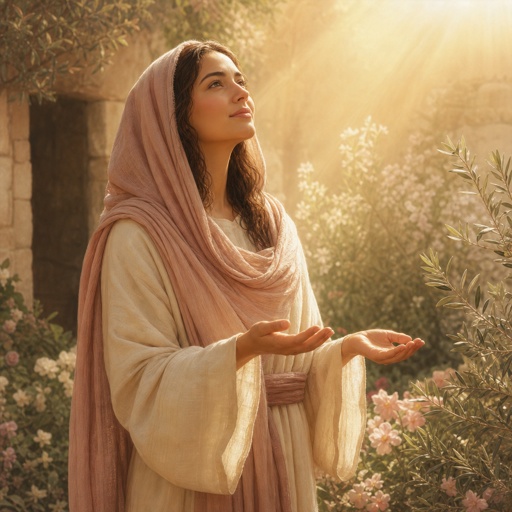
"The LORD bless thee, and keep thee: The LORD make his face shine upon thee, and be gracious unto thee: The LORD lift up his countenance upon thee, and give thee peace." - Numbers 6:24-26

Numbers 6:24 - "The LORD bless thee, and keep thee:"

"The LORD bless thee, and keep thee:" - Numbers 6:24

Numbers 26:24 - "Of Jashub, the family of the Jashubites: of Shimron, the family of the Shimronites."

Numbers 26:6 - "Of Hezron, the family of the Hezronites: of Carmi, the family of the Carmites."
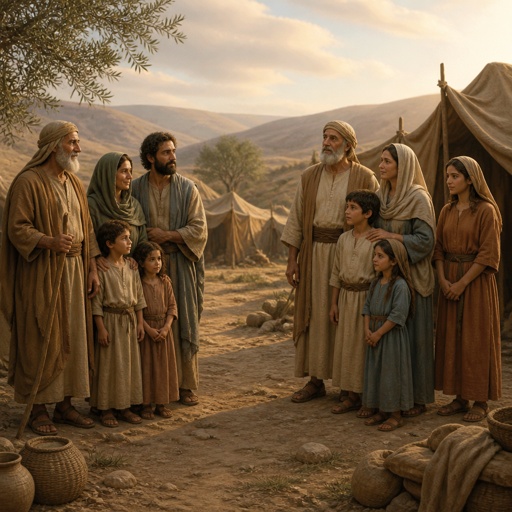
"Of Jashub, the family of the Jashubites: of Shimron, the family of the Shimronites." - Numbers 26:24

Numbers 6:26 - "The LORD lift up his countenance upon thee, and give thee peace."
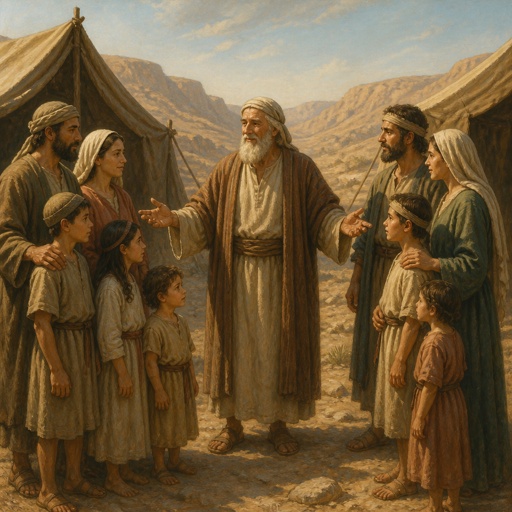
"Of Hezron, the family of the Hezronites: of Carmi, the family of the Carmites." - Numbers 26:6

Numbers 24:6 - "As the valleys are they spread forth, as gardens by the river's side, as the trees of lign aloes which the LORD hath planted, and as cedar trees beside the waters."
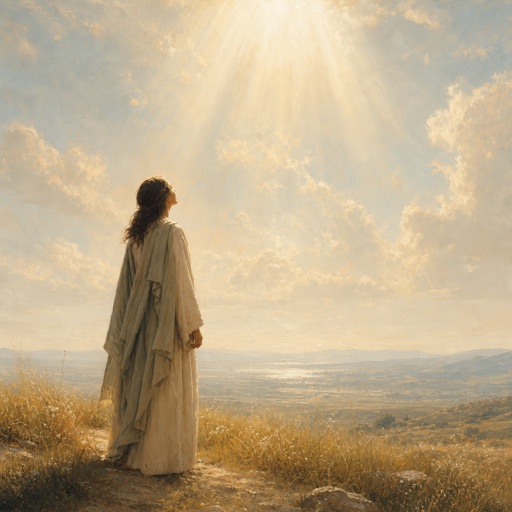
"The LORD lift up his countenance upon thee, and give thee peace." - Numbers 6:26

Genesis 24-26

Numbers 11:16-26

Numbers 26:8 - "And the sons of Pallu; Eliab."

Numbers 26:26 - "¶ Of the sons of Zebulun after their families: of Sered, the family of the Sardites: of Elon, the family of the Elonites: of Jahleel, the family of the Jahleelites."

Numbers 26:46 - "And the name of the daughter of Asher was Sarah."

Numbers 26:11 - "Notwithstanding the children of Korah died not."

Numbers 33:26 - "And they removed from Makheloth, and encamped at Tahath."

Israelites taking census in Numbers 26

Numbers 26:52 - "¶ And the LORD spake unto Moses, saying,"

Numbers 26:36 - "And these are the sons of Shuthelah: of Eran, the family of the Eranites."

Numbers 26:53 - "Unto these the land shall be divided for an inheritance according to the number of names."

Numbers 26:39 - "Of Shupham, the family of the Shuphamites: of Hupham, the family of the Huphamites."

Numbers 26:31 - "And of Asriel, the family of the Asrielites: and of Shechem, the family of the Shechemites:"

Numbers 26:49 - "Of Jezer, the family of the Jezerites: of Shillem, the family of the Shillemites."