What does Numbers 6:6 mean?
“All the days that he separateth himself unto the LORD he shall come at no dead body.” — Numbers 6:6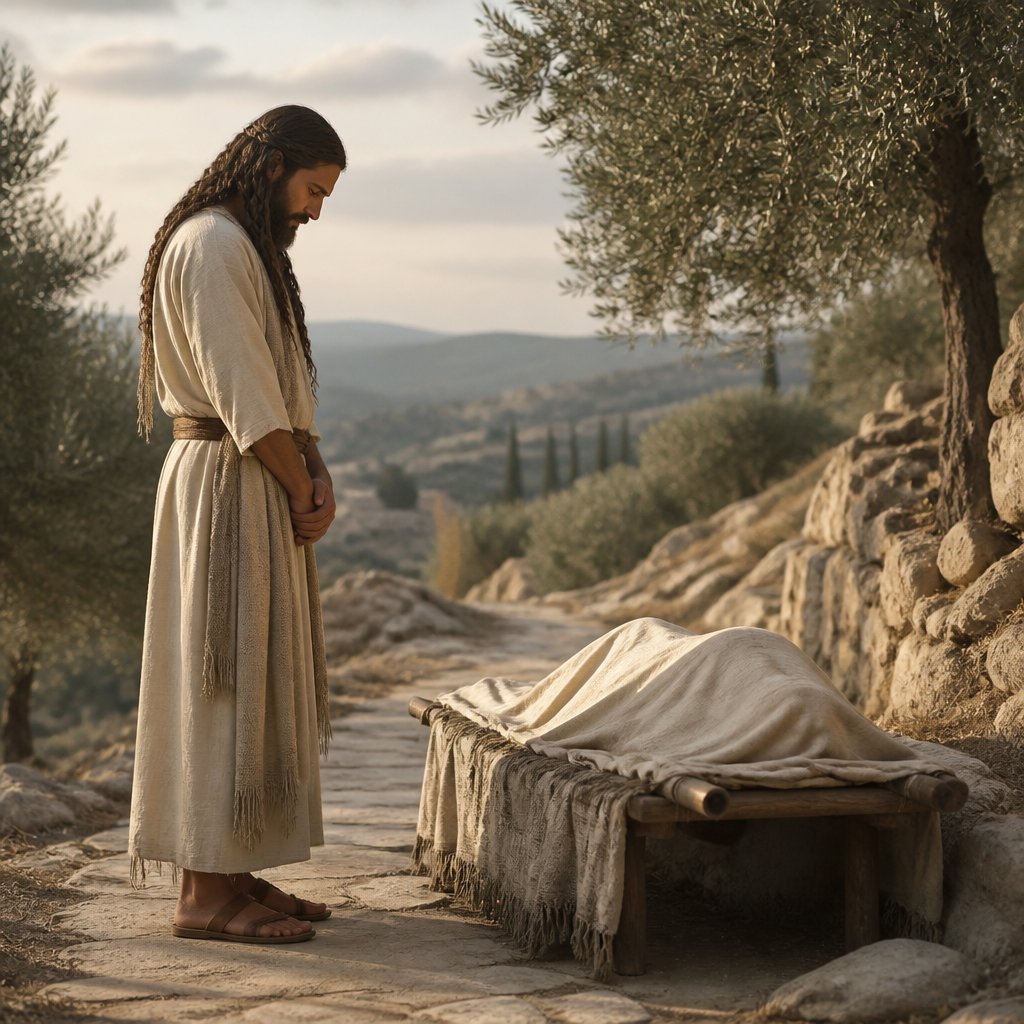
Numbers 6:6 (KJV) states, "All the days that he separateth himself unto the Lord he shall come at no dead body." This verse is a part of the passage known as the Nazarite vow, which describes specific regulations and requirements for individuals who have consecrated themselves to the Lord for a specific period of time.
The context of this verse is the book of Numbers, which is the fourth book of the Old Testament. It is named "Numbers" because it contains a record of the numbering of the Israelites in the wilderness, as well as their journey from Mount Sinai to the Plains of Moab. This specific verse is situated within the passage describing the regulations for those who take the Nazarite vow, an act of consecration and dedication to God that involves abstaining from certain things, such as wine and cutting one's hair, for a period of time.
The overall theme of Numbers 6:6 is the importance of spiritual purity and separation from worldly influences. In this verse, the requirement to avoid contact with a dead body underscores the idea of avoiding anything that is associated with impurity or defilement, as death was considered a source of ritual impurity in ancient Israelite culture. By adhering to these regulations, the individual demonstrates their commitment to holiness and their willingness to set themselves apart for the service of the Lord.
Symbolism plays a significant role in understanding the deeper meaning of this verse. The prohibition against contact with a dead body symbolizes the need to avoid spiritual contamination and defilement. This symbolism is consistent with the broader theme of holiness and separation from worldly influences that is present throughout the passage concerning the Nazarite vow. In ancient Israelite society, the concept of ritual purity and impurity was highly significant and influenced various aspects of religious practice and social interactions. Thus, the symbolic significance of avoiding contact with a dead body extends beyond its literal meaning to emphasize the need for spiritual purity and separation in the life of the believer.
Furthermore, this verse also points to the importance of obedience and adherence to God's commandments. By following the regulations outlined for those under the Nazarite vow, individuals demonstrate their commitment to honoring the Lord and upholding the covenant relationship with Him. This obedience reflects a deeper spiritual truth about the nature of faith and devotion to God, highlighting the idea that true worship involves a willingness to submit to His will and follow His statutes.
Overall, Numbers 6:6 serves as a reminder of the significance of holiness, separation, and obedience in the life of the believer. It communicates the importance of maintaining spiritual purity and avoiding anything that could hinder one's dedication to God. Through its symbolism and themes, this verse continues to offer timeless insights for those seeking to deepen their relationship with the Lord and live a life that is pleasing to Him.
Get our apps


Artwork for Numbers 6:6

Numbers 6:6 - "All the days that he separateth himself unto the LORD he shall come at no dead body."
"All the days that he separateth himself unto the LORD he shall come at no dead body." - Numbers 6:6

Numbers 11. 4 to 6

Numbers 1:6 - "Of Simeon; Shelumiel the son of Zurishaddai."

Numbers 6:22 - "¶ And the LORD spake unto Moses, saying,"

Numbers 27:6 - "¶ And the LORD spake unto Moses, saying,"

Numbers 13:6 - "Of the tribe of Judah, Caleb the son of Jephunneh."

Numbers 6:1 - "And the LORD spake unto Moses, saying,"

Numbers 6:24 - "The LORD bless thee, and keep thee:"

Aaron blessing the congregation in numbers 6

Numbers 26:6 - "Of Hezron, the family of the Hezronites: of Carmi, the family of the Carmites."

Numbers 6:8 - "All the days of his separation he is holy unto the LORD."

Numbers 8:6 - "Take the Levites from among the children of Israel, and cleanse them."

Numbers 16:6 - "This do; Take you censers, Korah, and all his company;"

Numbers 33:6 - "And they departed from Succoth, and pitched in Etham, which is in the edge of the wilderness."

Numbers 7:6 - "And Moses took the wagons and the oxen, and gave them unto the Levites."

Numbers 2:6 - "And his host, and those that were numbered thereof, were fifty and four thousand and four hundred."

Numbers 6:26 - "The LORD lift up his countenance upon thee, and give thee peace."

Numbers 6:25 - "The LORD make his face shine upon thee, and be gracious unto thee:"
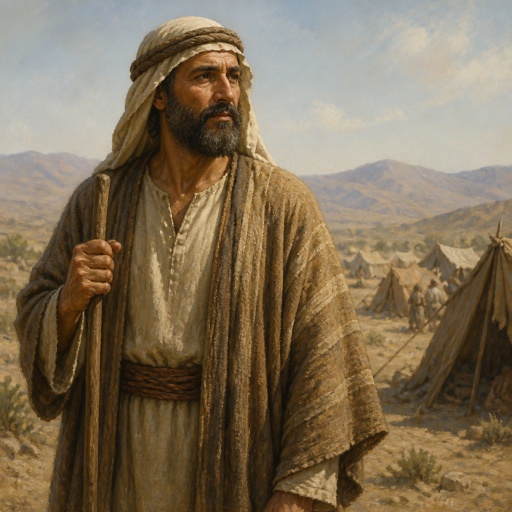
"Of Simeon; Shelumiel the son of Zurishaddai." - Numbers 1:6

Numbers 6:27 - "And they shall put my name upon the children of Israel; and I will bless them."

Numbers 19:6 - "And the priest shall take cedar wood, and hyssop, and scarlet, and cast it into the midst of the burning of the heifer."

6 cities of refuge in the map ads provided in numbers 35

Numbers 21:6 - "And the LORD sent fiery serpents among the people, and they bit the people; and much people of Israel died."
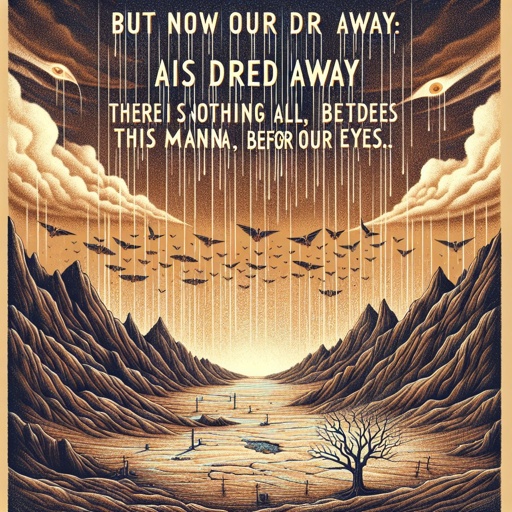
Numbers 11:6 - "But now our soul is dried away: there is nothing at all, beside this manna, before our eyes."

"¶ And the LORD spake unto Moses, saying," - Numbers 27:6

"¶ And the LORD spake unto Moses, saying," - Numbers 6:22
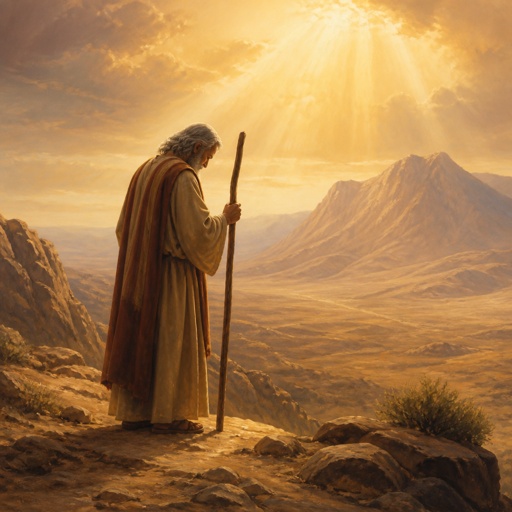
"And the LORD spake unto Moses, saying," - Numbers 6:1

"The LORD bless thee, and keep thee:" - Numbers 6:24
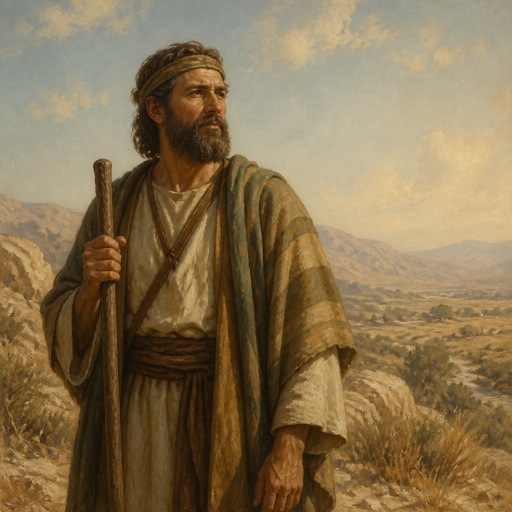
"Of the tribe of Judah, Caleb the son of Jephunneh." - Numbers 13:6