What does Numbers 7:21 mean?
“One young bullock, one ram, one lamb of the first year, for a burnt offering:” — Numbers 7:21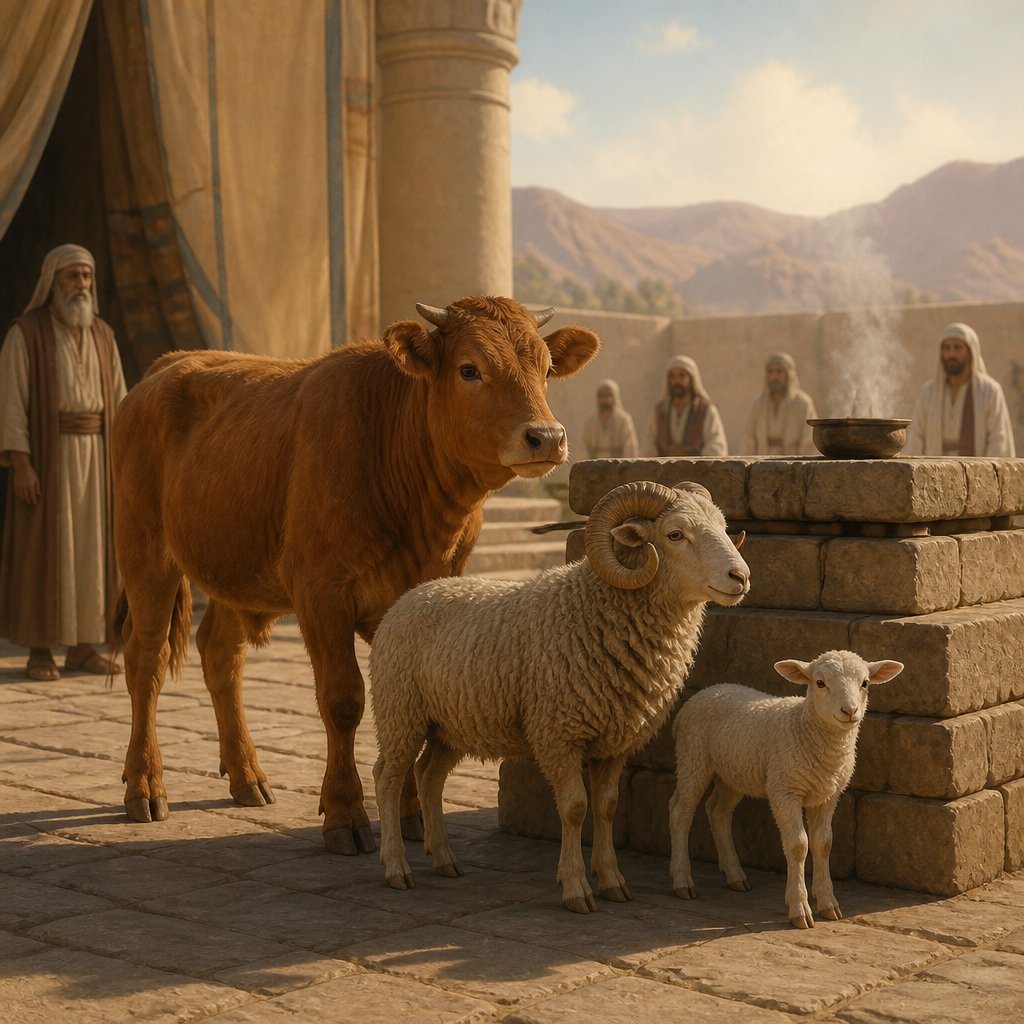
Numbers 7:21 (KJV) says, "One spoon of ten shekels of gold, full of incense."
This verse is part of a larger passage in the book of Numbers that details the offerings that the leaders of the twelve tribes of Israel brought to the tabernacle. In this particular verse, the leader of the tribe of Reuben, Elizur son of Shedeur, presented a golden spoon filled with incense as his offering. While this may seem like a simple gesture, there is significant symbolism and meaning behind this act.
In the ancient Israelite culture, incense was often used in religious ceremonies as a symbol of prayer and worship. The act of burning incense was seen as a way to send one's prayers and petitions up to heaven, and it was also believed to purify the air and create a pleasing aroma. Thus, the offering of incense in the tabernacle was a physical representation of the Reubenite leader's desire to commune with God and seek his favor.
The use of gold in the spoon is also significant. Gold was a precious and highly valued metal in ancient times, often associated with royalty and deity. By presenting a golden spoon as part of his offering, Elizur was demonstrating his tribe's reverence for God and their willingness to give something of great value to honor him.
Additionally, the specific measurement of the spoon – "ten shekels" – is not arbitrary. The number ten has significance in the Bible, often representing completeness or perfection. In this context, the ten shekels of gold may symbolize the totality of the Reubenite leader's devotion to God. By offering a full spoon of incense, he was giving all that he had to offer, leaving nothing behind.
The act of offering incense was also an important symbolic gesture for the Israelites as a whole. In the Old Testament, incense represents both the prayers of the faithful and the intercession of the priests on behalf of the people. In this way, the offering of incense was a way for the Israelites to seek God's presence and favor, acknowledging their dependence on him for guidance and protection.
Furthermore, the act of giving offerings to the tabernacle was a way for the Israelites to show their dedication to God and their commitment to following his laws. This act of giving was not just a one-time event but was meant to be an ongoing practice, reinforcing the importance of continual worship and obedience.
Overall, Numbers 7:21 carries rich symbolism and meaning, reflecting the Israelites' desire to honor and commune with God. The use of incense and gold in the offering demonstrates their reverence and commitment to seeking God's favor. The specific measurements and details of the offering further emphasize the depth of their devotion and the completeness of their dedication to God. This verse serves as a reminder of the importance of worship, prayer, and dedication in the lives of believers, as well as a testament to the ancient Israelites' desire to honor and seek God.
Get our apps


Artwork for Numbers 7:21

Numbers 7:21 - "One young bullock, one ram, one lamb of the first year, for a burnt offering:"
"One young bullock, one ram, one lamb of the first year, for a burnt offering:" - Numbers 7:21

Numbers 21:7 - "¶ Therefore the people came to Moses, and said, We have sinned, for we have spoken against the LORD, and against thee; pray unto the LORD, that he take away the serpents from us. And Moses prayed for the people."

Picture representing Numbers 21:21-35

Numbers 21:21 - "¶ And Israel sent messengers unto Sihon king of the Amorites, saying,"
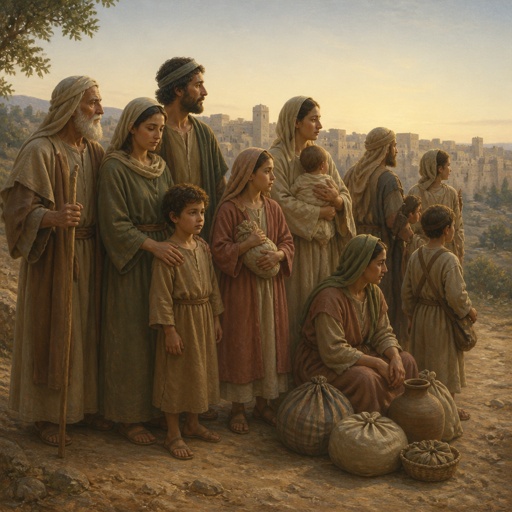
"The children of Ater of Hezekiah, ninety and eight." - Nehemiah 7:21

Moses serpent numbers 21

Numbers 4:21 - "¶ And the LORD spake unto Moses, saying,"
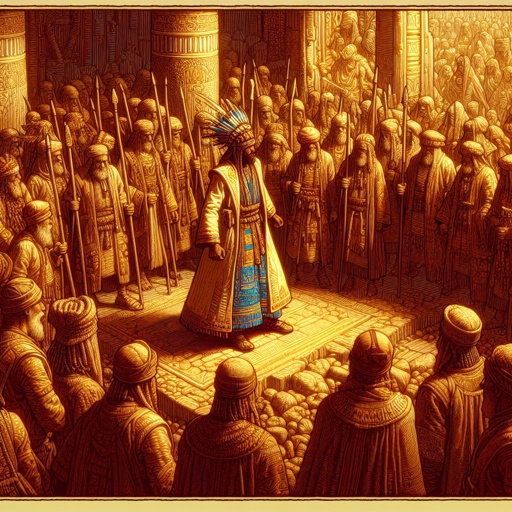
Numbers 34:21 - "Of the tribe of Benjamin, Elidad the son of Chislon."

Numbers 21:31 - "¶ Thus Israel dwelt in the land of the Amorites."

Numbers 33:21 - "And they removed from Libnah, and pitched at Rissah."

Picture of Numbers 21:1-3

Moses fiery serpent numbers 21

Numbers 21:10 - "¶ And the children of Israel set forward, and pitched in Oboth."

Numbers 21:19 - "And from Mattanah to Nahaliel: and from Nahaliel to Bamoth:"

Numbers 21:12 - "¶ From thence they removed, and pitched in the valley of Zared."

Numbers 29:7

Numbers 4:7

Numbers 3:21 - "Of Gershon was the family of the Libnites, and the family of the Shimites: these are the families of the Gershonites."

"¶ And Israel sent messengers unto Sihon king of the Amorites, saying," - Numbers 21:21

Numbers 2:21 - "And his host, and those that were numbered of them, were thirty and two thousand and two hundred."

Numbers 29:21 - "And their meat offering and their drink offerings for the bullocks, for the rams, and for the lambs, shall be according to their number, after the manner:"

Numbers 26:21 - "And the sons of Pharez were; of Hezron, the family of the Hezronites: of Hamul, the family of the Hamulites."

Numbers 14:21 - "But as truly as I live, all the earth shall be filled with the glory of the LORD."

Numbers 7:1-9

Numbers 7:7 - "Two wagons and four oxen he gave unto the sons of Gershon, according to their service:"

Numbers 4:7-8

Numbers 1:7 - "Of Judah; Nahshon the son of Amminadab."

numbers 21:8-9 & John 3:14

Numbers 1:21 - "Those that were numbered of them, even of the tribe of Reuben, were forty and six thousand and five hundred."